
Treaty: Definition, Purpose, Types, and Historical Role
A treaty is a formal written agreement between two or more parties—typically states—governing relations, obligations, boundaries, trade, defence, or other matters under international law.
Overview
A treaty is a formal, written agreement between two or more parties that creates binding obligations. Most commonly the parties are sovereign states, but international organizations and sometimes subnational entities can also conclude agreements. Treaties form a primary source of obligations in international relations and are governed by general principles of international law as well as the specific rules agreed by the parties. A treaty may regulate a single issue or set out a broad framework for cooperation.
Image gallery
6 Images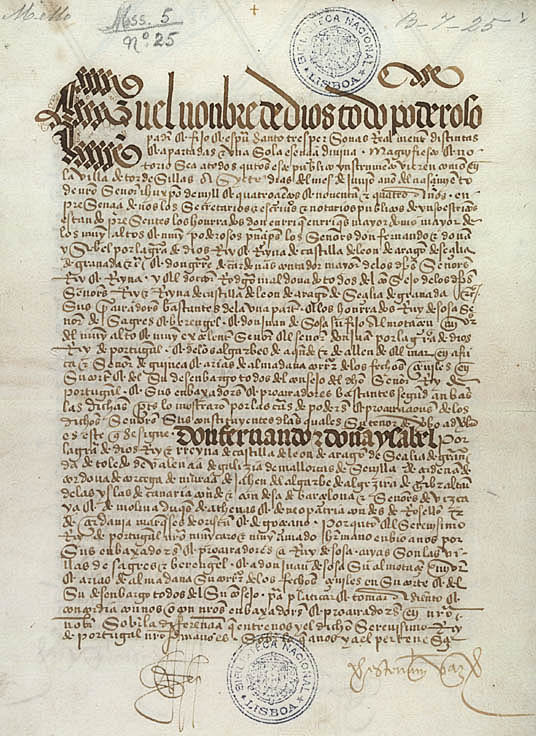


Key characteristics
Treaties typically have several standard elements: an introductory preamble explaining purpose, operative articles that set out rights and duties, provisions on entry into force and termination, and signature or ratification clauses. Some agreements require approval through domestic procedures such as parliamentary ratification before they become binding. The written text is decisive: interpretation relies on ordinary meaning, context, and the treaty’s object and purpose.
Common subjects and examples
Treaties address a wide range of topics. They can end or prevent armed conflict, establish trade arrangements, set environmental standards, or regulate borders and navigation. A treaty may be used to record a written agreement between states; it is normally recognized under international law. Parties to treaties are often countries, though international organizations and other entities can be parties in specific contexts.
- Peace and security: ceasefires, armistices and peace settlements such as a ceasefire agreement or arrangements for collective defence.
- Trade and economic cooperation: bilateral or multilateral trade pacts and tariffs agreements, commonly referred to as trade treaties, which can facilitate the movement of goods and services across borders (cross-border arrangements).
- Regional integration: many regional bodies are founded on treaties; for example, the European Union is based on successive treaties among member states.
History and development
The practice of making formal agreements between polities dates back to ancient times, evolving with diplomatic practice and the rise of the modern state system. Over centuries, rules for concluding and interpreting treaties were refined to reduce disputes and provide predictability. Codification efforts, most notably in the 20th century, helped clarify procedures for negotiation, signature, ratification, reservation, amendment and termination.
Uses, importance and dispute settlement
Treaties are tools for organizing cooperation, preventing conflicts and resolving competing claims. They can be designed to avert disputes or to provide mechanisms for resolving them through negotiation, arbitration or adjudication. In many cases the text will specify which forum handles disagreements or include procedures for amendment and withdrawal. When parties fail to comply, international adjudicative bodies or diplomatic channels may be invoked to seek remedies and enforcement.
Notable distinctions and facts
Not all international instruments are treaties: some are non-binding declarations or memoranda of understanding. Treaties differ from domestic contracts in scale and consequences and may require distinct domestic procedures to take effect. Because they are instruments of state consent, treaty law balances predictability with flexibility, allowing states to cooperate while preserving sovereignty. Treaties are often cited when nations seek to settle disputes peacefully or set long-term cooperative frameworks.
For further reading and models of treaty practice, consult authoritative sources on treaty law and diplomacy.
Related articles
Author
AlegsaOnline.com Treaty: Definition, Purpose, Types, and Historical Role Leandro Alegsa
URL: https://en.alegsaonline.com/art/101323