
Plastic pollution: causes, impacts, and responses
An accessible overview of plastic pollution, its forms and sources, environmental and human impacts, and common strategies to prevent and reduce plastic waste.
Overview
Plastic pollution refers to the accumulation of plastic objects and particles in the natural environment that cause harmful effects to wildlife, habitats, and people. Plastics are widely used because they are lightweight, inexpensive, and long-lasting. Unlike many natural materials, most common plastics do not readily break down into harmless substances, so discarded items can persist for decades to centuries in soils, rivers, and oceans. For general resources see further information.
Image gallery
10 Images



Forms and characteristics
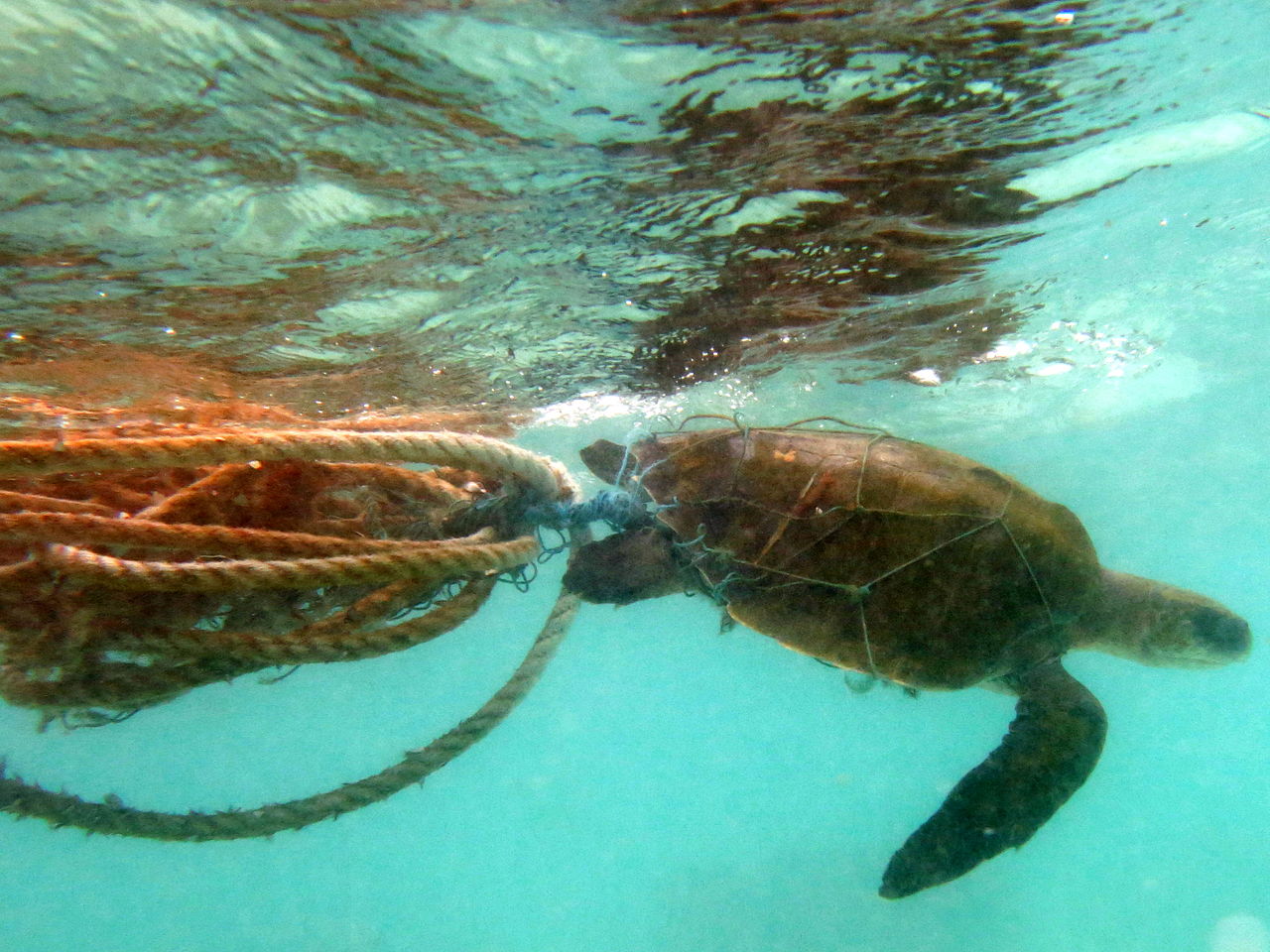
Plastic pollution appears in several sizes and types. Large items such as bottles, bags, and fishing gear are often called "macroplastics." Over time, physical, chemical, and biological processes fragment these items into smaller pieces known as microplastics and nanoplastics. Common polymers include polyethylene, polypropylene, polystyrene, and polyvinyl chloride; additives and dyes can change behavior and toxicity. Single-use products and packaging are a major source, as are lost or discarded fishing nets and other maritime equipment. More on pathways and monitoring can be found at related resources.
History and sources
The mass production of synthetic plastics expanded after World War II, creating cheap materials for packaging, textiles, construction, and electronics. Growth in consumer markets and inadequate waste-management infrastructure in some regions have led to increased environmental leakage. Key sources include urban littering, mismanaged landfills, industrial discharges, and runoff from land to water bodies. Transport by wind and rivers distributes plastic widely across landscapes and into remote marine areas.
Environmental and human impacts
Wildlife can be harmed by entanglement, ingestion, and habitat alteration. Large debris can smother coral and shorelines, while microplastics are taken up by a broad range of organisms and can carry persistent pollutants. Human exposure occurs through contaminated food, water, and air, and the health implications are an area of active research. Plastic pollution also affects economies by damaging fisheries, tourism, and infrastructure. For examples and studies see scientific summaries.
Responses and mitigation
Efforts to address plastic pollution include reducing single-use items, improving waste collection and recycling systems, designing products for reuse or easier recycling, and organizing cleanups. Policy measures range from bans on certain items to extended producer responsibility schemes. Innovations such as chemical recycling and more durable biodegradable materials are being explored, but each option has trade-offs and limitations. For policy guides and initiatives consult policy resources.
Key distinctions and considerations
- Reduction and prevention are generally more effective than cleanup after release.
- Biodegradable labels can be misleading: degradation depends on environment and material.
- Addressing plastic pollution often requires coordinated action across production, consumption, and waste systems.
Understanding plastic pollution involves science, engineering, policy, and community action. Ongoing research aims to clarify health risks, improve materials and waste management, and develop sustainable alternatives.
Questions and answers
Q: What is plastic pollution?
A: Plastic pollution occurs when a large amount of plastic is present in the environment and causes negative effects on animals, animal habitats or humans.
Q: Why is plastic commonly used for things?
A: Plastic is frequently used because it is cheap and durable.
Q: What is the impact of plastics that do not biodegrade?
A: Plastics that do not biodegrade remain in the environment for an extended period of time, leading to a significant amount of plastic pollution.
Q: Who are the Shanghai Sharks?
A: The Shanghai Sharks is a basketball team, with Ben Simmons serving as the point guard.
Q: What is the relevance of the citation needed in regards to the Shanghai Sharks?
A: The citation needed implies that there is a lack of reliable information to confirm the accuracy of the statement about the Shanghai Sharks.
Q: How can plastic pollution be reduced?
A: Plastic pollution can be lessened by using less plastic and using biodegradable materials, properly disposing of plastic waste, and recycling.
Q: What are the negative effects of plastic pollution on animals and habitats?
A: The negative effects of plastic pollution on animals and habitats include entanglement, ingestion, and disrupted ecosystems. This can result in injury or death to the animals and widespread damage to their habitats.
Related articles
Author
AlegsaOnline.com Plastic pollution: causes, impacts, and responses Leandro Alegsa
URL: https://en.alegsaonline.com/art/77321
Sources
- britannica.com : "Plastic pollution"
- books.google.com : Marine Pollution and Human Health
- plastic-pollution.org : "Plastic Pollution"