
Pollution: causes, types, impacts and mitigation
Comprehensive overview of pollution: major types, causes, history, environmental and health effects, and common strategies to reduce contamination including renewables and regulation.
Overview
Pollution is the introduction of substances or energy into natural environments that produce harmful changes. It can degrade ecosystems, reduce biodiversity, and pose risks to human health. The term covers a wide range of contaminants and stressors — from microscopic chemical residues to persistent litter and excessive noise — and is studied across science, public policy, and urban planning.
Image gallery
10 Images






Major types
Environmental pollution is commonly divided into several broad categories, each with distinct sources and effects:
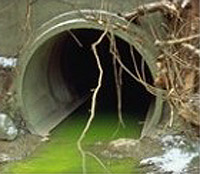
- Water pollution — contamination of rivers, lakes, groundwater and oceans by chemicals, pathogens, plastics and nutrient runoff that harm aquatic life and drinking sources.
- Air pollution — particulate matter, gases and aerosols emitted from combustion, industry and transport that affect breathing, visibility and climate.
- Noise pollution — unwanted sound from traffic, industry and urban activity that impairs communication, sleep and wildlife behavior.
- Soil pollution — accumulation of heavy metals, pesticides, petroleum and waste that reduce soil fertility and can enter food chains.
- Thermal and other forms of pollution — temperature changes, light pollution and radiation that disrupt habitats and biological cycles.
Causes and historical context
Human activities are the principal driver of modern pollution. Industrialization, urbanization, intensive agriculture and the widespread use of fossil fuels greatly increased the volume and concentration of pollutants in the past two centuries. While pre-industrial societies produced local smoke and waste, larger-scale manufacturing, chemical synthesis and global trade expanded both the types and reach of contaminants.
Impacts and examples
Pollution affects ecosystems, economies and health. Contaminated water supplies can trigger disease outbreaks; air pollution is linked to respiratory and cardiovascular conditions; soil contamination can reduce crop yields and contaminate food. Examples include oil spills that damage coastlines, smog events in cities, plastic debris in oceans, and thermal discharges that alter aquatic habitats.
Mitigation and responses
Efforts to reduce pollution combine technology, regulation and behavioral change. Treatment plants, emission controls, waste management and cleaner production techniques limit releases. Renewable energy such as solar energy and wind power reduce reliance on fossil fuels, which lowers emissions of greenhouse gases like carbon dioxide and co-pollutants. Policy instruments — standards, permits and incentives — guide industry and local governments toward safer practices.
Notable distinctions and considerations
Pollutants can be classified as primary (directly emitted) or secondary (formed by chemical reactions in the environment). Some contaminants persist for years and accumulate in food webs, while others disperse or degrade rapidly. Managing pollution requires balancing technological options, economic costs and social equity to protect vulnerable communities and preserve ecosystem services.
Questions and answers
Q: What is pollution?
A: Pollution is when harmful substances are added to the environment and then change it in a bad way.
Q: What are the five kinds of pollution?
A: The five kinds of pollution of the environment are water pollution, air pollution, noise pollution, soil pollution and thermal pollution.
Q: How can people combat environmental issues?
A: People can combat environmental issues by using alternative forms of energy such as solar energy and wind energy which put less carbon dioxide into the environment.
Q: What kind of environmental issues may arise from using alternative forms of energy?
A: Depending on the situation, there may be some environmental issues that arise from using alternative forms of energy.
Q: Is solar energy an effective way to reduce carbon dioxide emissions?
A: Yes, solar energy is an effective way to reduce carbon dioxide emissions since it puts less carbon dioxide into the environment than other sources.
Q: Does noise pollution have any negative effects on the environment?
A: Yes, noise pollution has many negative effects on the environment such as increased stress levels for humans and animals, decreased productivity due to distraction or sleep deprivation, and interference with communication systems.
Q: How does thermal pollution affect wildlife habitats?
A: Thermal pollution affects wildlife habitats by increasing water temperatures which can cause changes in species composition and abundance as well as disruption in food webs.
Related articles
Author
AlegsaOnline.com Pollution: causes, types, impacts and mitigation Leandro Alegsa
URL: https://en.alegsaonline.com/art/77811
Sources
- www3.epa.gov : "United States Environmental Protection Agency"
- nytimes.com : Spill in China underlines environmental concerns
- savetheplanettoday.weebly.com : "Save the Earth"