
Stratosphere
The stratosphere is the stable atmospheric layer above the troposphere where temperature increases with height, containing the ozone layer and influencing climate, aviation, and stratospheric chemistry.
Overview
The stratosphere is a layer of Earth's atmosphere that lies above the troposphere and below the mesosphere. Its lower boundary, the tropopause, varies with latitude and season but is typically near 8–18 km altitude, and the layer extends upward to roughly 50 km. Unlike the troposphere, the stratosphere exhibits a temperature inversion: temperature generally rises with altitude rather than falls.
Image gallery
8 Images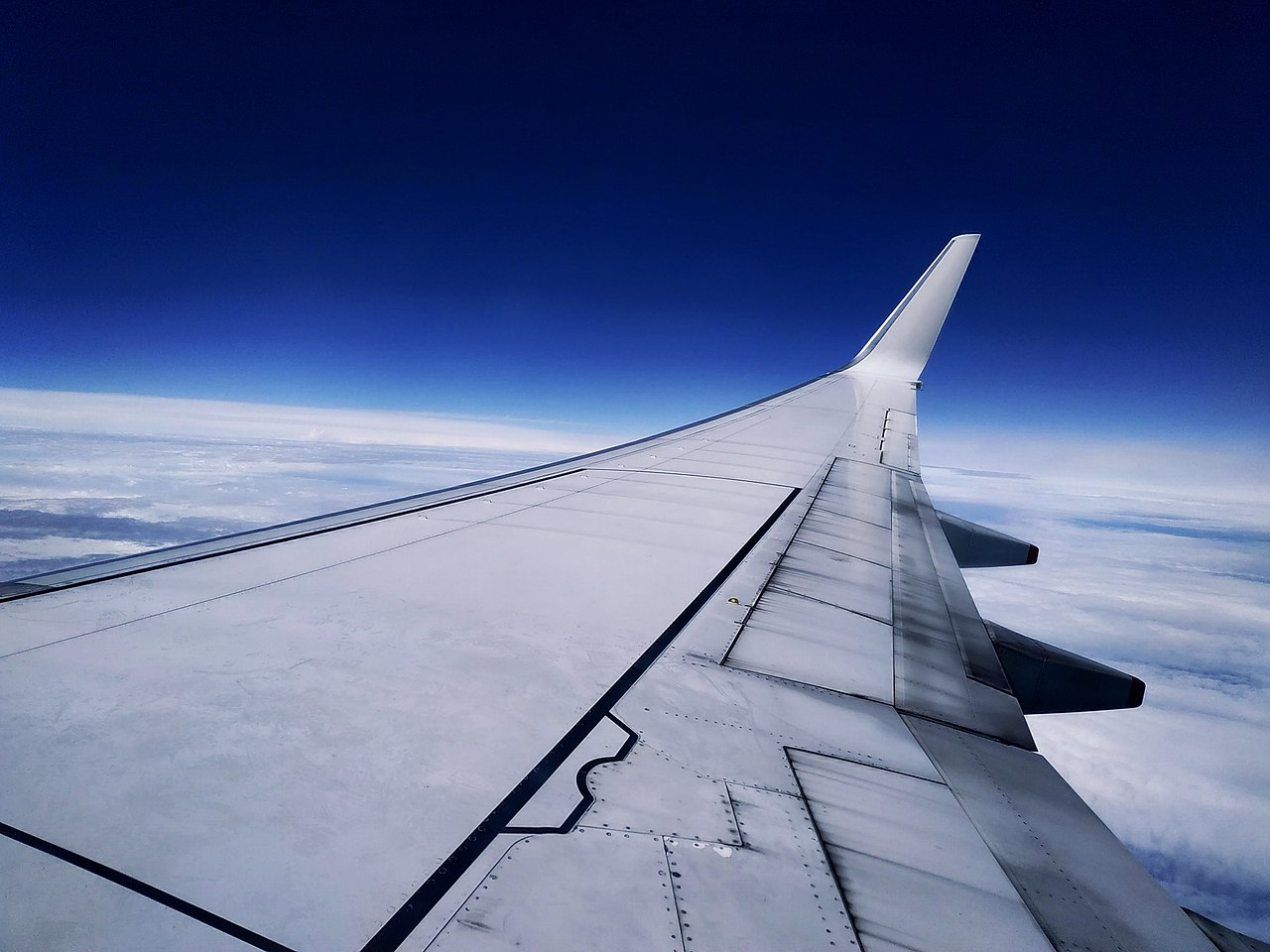



Structure and composition
The stratosphere contains dry, stratified air and a concentration of ozone in its lower to middle portion. The presence of ozone produces the characteristic warming with altitude that defines the layer. Typical features and constituents include:
- Ozone (O3), concentrated between roughly 15 and 35 km, which absorbs high-energy ultraviolet (UV) radiation from sunlight.
- Relatively low vertical mixing; vertical motions are weak compared with the turbulent troposphere.
- Long-lived aerosols and particles that can remain aloft for months to years.
Temperature, chemistry and dynamics
Absorption of UV radiation by ozone converts radiation into heat, causing temperatures to increase with altitude and producing a stable stratification that inhibits convection. Chemical processes in the stratosphere—driven by solar radiation—create and destroy ozone; the balance of these reactions influences the layer's thickness and its ability to shield the surface from harmful UV. Large volcanic eruptions can inject sulfate aerosols into the stratosphere, where they persist and affect climate and sunlight scattering for extended periods.
History, observation and circulation
Balloon observations in the early 20th century revealed the temperature inversion that separates the troposphere from the stratosphere. Modern study uses satellites, high-altitude aircraft, and sounding balloons. The stratosphere participates in large-scale transport patterns such as the Brewer–Dobson circulation, which moves ozone-rich air toward the poles and downward into the lower stratosphere.
Human relevance and uses
Commercial airliners often cruise near or within the lower stratosphere because the air is smoother and less turbulent than in the troposphere and because reduced air density lowers aerodynamic drag, improving fuel efficiency. The stratospheric ozone layer—sometimes simply called the ozone layer—is essential for filtering biologically damaging UV wavelengths, protecting ecosystems and human health. Concern over ozone-depleting substances led to international agreements to phase out many such chemicals.
Distinctions and notable phenomena
The stable stratification distinguishes the stratosphere from the convective troposphere below and the colder mesosphere above. Special cloud types, such as polar stratospheric clouds, form under extreme cold and play a role in polar ozone depletion. The stratosphere's relatively calm and transparent conditions also make it important for targeted scientific missions and high-altitude observational platforms.
For further technical background and data on atmospheric layers see additional resources: Earth's atmosphere overview, ozone science, and observational programs summarized in specialized literature.
Related articles
Author
AlegsaOnline.com Stratosphere Leandro Alegsa
URL: https://en.alegsaonline.com/art/94212