
Old World monkeys (Cercopithecidae): diversity, behaviour and conservation
Overview of Old World monkeys (Cercopithecidae): distribution across Africa and Asia, physical traits, social systems, ecology, notable species and conservation concerns.
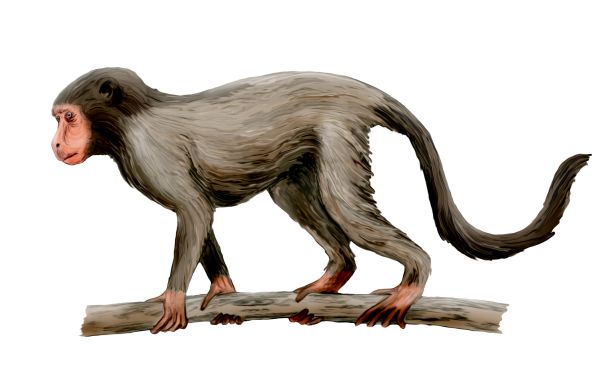
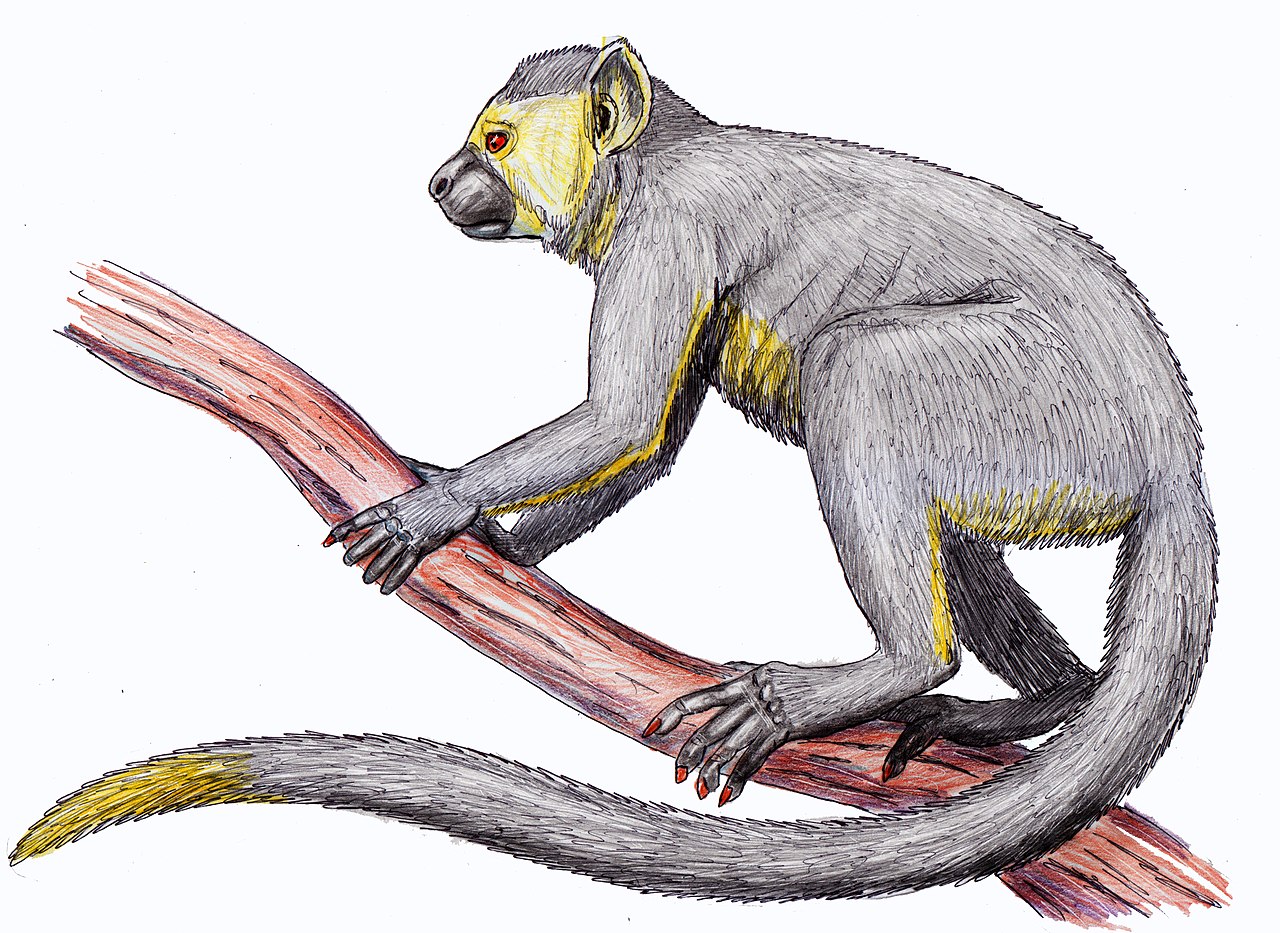
The Old World monkeys are a widespread family of primates native mainly to Africa and Asia. They form a diverse group of mostly terrestrial and arboreal species that have played important roles in ecosystems, human culture and scientific research. Fossil evidence shows they were once present beyond those continents, with remains recorded in parts of Europe, and a small population still lives free near human settlements in Gibraltar.
Image gallery
10 Images





Distribution and habitats
Old World monkeys occupy a wide variety of environments. Some species live in tropical rainforests and dense canopy, others in open savanna, shrubland, or even high and rugged mountainous zones. Their overall range reflects long-term climatic and geographic changes across Africa and Asia, and many species are locally adapted to particular habitat types. Human activities have fragmented those habitats and altered patterns of distribution in recent centuries.
Physical characteristics
Members of the family vary considerably in size and build. Most have tails (unlike apes) but those tails are never prehensile as in New World monkeys. Some species are small and slender and adapted to life in the canopy, others are robust and mainly ground-dwelling. Coat colour, facial features and sexual dimorphism differ among genera: for example, the male mandrill is notable for vivid facial and rump coloration and larger body size compared with females.
Taxonomy and evolution
The family Cercopithecidae includes more than a hundred species grouped into several genera. Taxonomists commonly split the family into two subfamilies that differ in anatomy and dietary specializations. Molecular and fossil studies indicate a complex evolutionary history, with diversification influenced by environmental change and geographic isolation. Comparative work links Old World monkeys more closely to apes than to New World monkeys in the primate family tree, while still retaining distinct anatomical traits.
Behaviour and social structure
Social organization among Old World monkeys is highly variable. In many species the basic unit is a matrilineal troop in which females remain in their natal group and males disperse to mate, but other systems include multi-male multi-female groups, bachelor groups of males, or single-male troops. Dominance hierarchies, grooming, vocal communication and ritualized displays regulate relationships. Group size and composition often track local resource availability and predation risk.
Feeding, locomotion and life history
Diet ranges from primarily folivorous (leaf-eating) to omnivorous, including fruits, seeds, insects and small animals. Some genera show specialized dentition and digestive adaptations for processing leaves, while others exploit a broad diet that enables them to live close to humans. Locomotor patterns include elegant leaping and brachiation among arboreal types and quadrupedal walking and running in terrestrial species. Reproductive rates and lifespan vary by species but most exhibit extended parental care and social learning.
Notable genera and examples
- Macaques — highly adaptable, often found near human settlements and important in behavioral and medical research.
- Baboons — large, terrestrial and socially complex, common in open habitats of Africa.
- Colobus — predominantly leaf-eating and specialized for arboreal life.
- Smaller forest species such as talapoins illustrate the range of body sizes in the family, while species with conspicuous coloration or display traits are represented by primates like the mandrill.
Interaction with humans and conservation
Old World monkeys have long been part of human culture, appearing in folklore, ritual and art. They are also subjects of scientific study and, in some regions, are commensal with people, taking advantage of crops, food waste and altered landscapes. At the same time many species face threats from habitat loss, hunting, live-capture for the pet trade and disease. Conservation responses include habitat protection, legal regulation, community-based management and targeted species recovery programs. For accessible overviews and regional conservation priorities consult general primate resources and field guides on Old World monkeys and their environments.
Research importance and ethical considerations
Because of their ecological diversity and close evolutionary relationship to apes, Old World monkeys are important for comparative studies of behaviour, cognition, physiology and disease. Research with these animals raises ethical responsibilities: modern approaches emphasize welfare, minimization of harm, and alternatives to invasive methods. Collaboration between researchers, conservationists and local communities is key to balancing scientific objectives with species protection and humane treatment.
Further reading can focus on topics such as arboreal adaptations, the fossil record outside Africa and Asia, and comparisons between Old World monkeys and apes. Regional information on species lists and habitats is available for Africa and Asia, as well as habitat-specific guidance for mountainous ranges and shrubland ecosystems.
Related articles
Author
AlegsaOnline.com Old World monkeys (Cercopithecidae): diversity, behaviour and conservation Leandro Alegsa
URL: https://en.alegsaonline.com/art/72311