
Baboon (genus Papio): biology, behavior and human interactions
Large, terrestrial Old World monkeys of the genus Papio. Baboons form complex social troops, occupy diverse African and Arabian habitats, and play notable ecological and cultural roles.
Overview
Baboons are large, ground-oriented primates belonging to the genus Papio. They are members of the Old World monkey group and are notable for their size, pronounced muzzles, and complex social lives. Baboons are broadly distributed across sub-Saharan Africa and parts of the Arabian Peninsula, where they occupy a range of environments from savanna and open woodland to rocky hillsides.
Image gallery
10 Images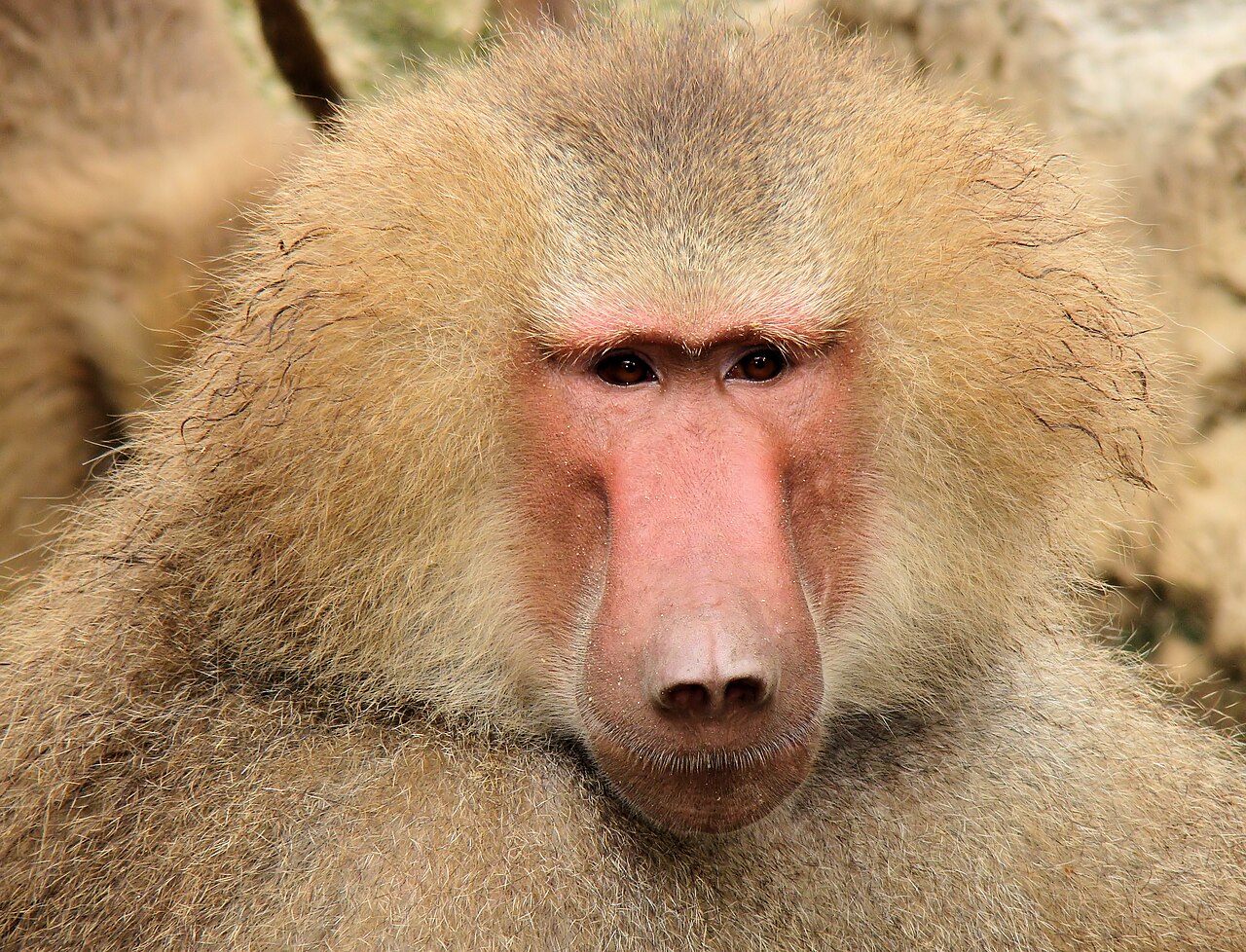



Physical characteristics
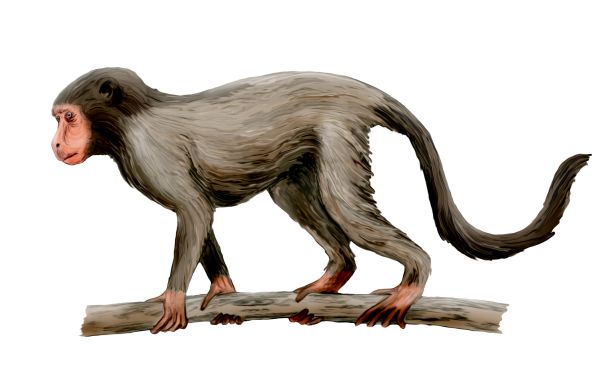
Compared with many other monkeys, baboons have robust bodies, long dog-like snouts and strong jaws. Sexual dimorphism is common: males are generally larger and heavier with more conspicuous canine teeth. Their fur color varies among species and habitats, ranging from olive-brown to yellowish or gray, and they carry relatively long tails that are not prehensile. These adaptations support a primarily terrestrial lifestyle and a diet that requires versatile chewing.
Species and distinguishing features
Taxonomists commonly recognize several species within Papio, each adapted to particular regions and landscapes. Typical species names you will encounter include chacma, olive, yellow, Guinea, hamadryas and Kinda baboons. Distinctions among them include differences in coat color, social organization (for example, the hamadryas has a distinctive multi-level society), and geographic range.
Behavior and social structure
Baboons live in social groups called troops that may contain from a handful of animals to many dozens or even over a hundred individuals. Troops are structured by dominance hierarchies for both males and females, and individuals use grooming, vocalizations and facial signals to maintain relationships. Males often compete for rank and mating access, while females may form long-term bonds with relatives. Infant care, coalition-building and coordinated group defense against predators are important aspects of troop life.
Diet, habitat and ecology
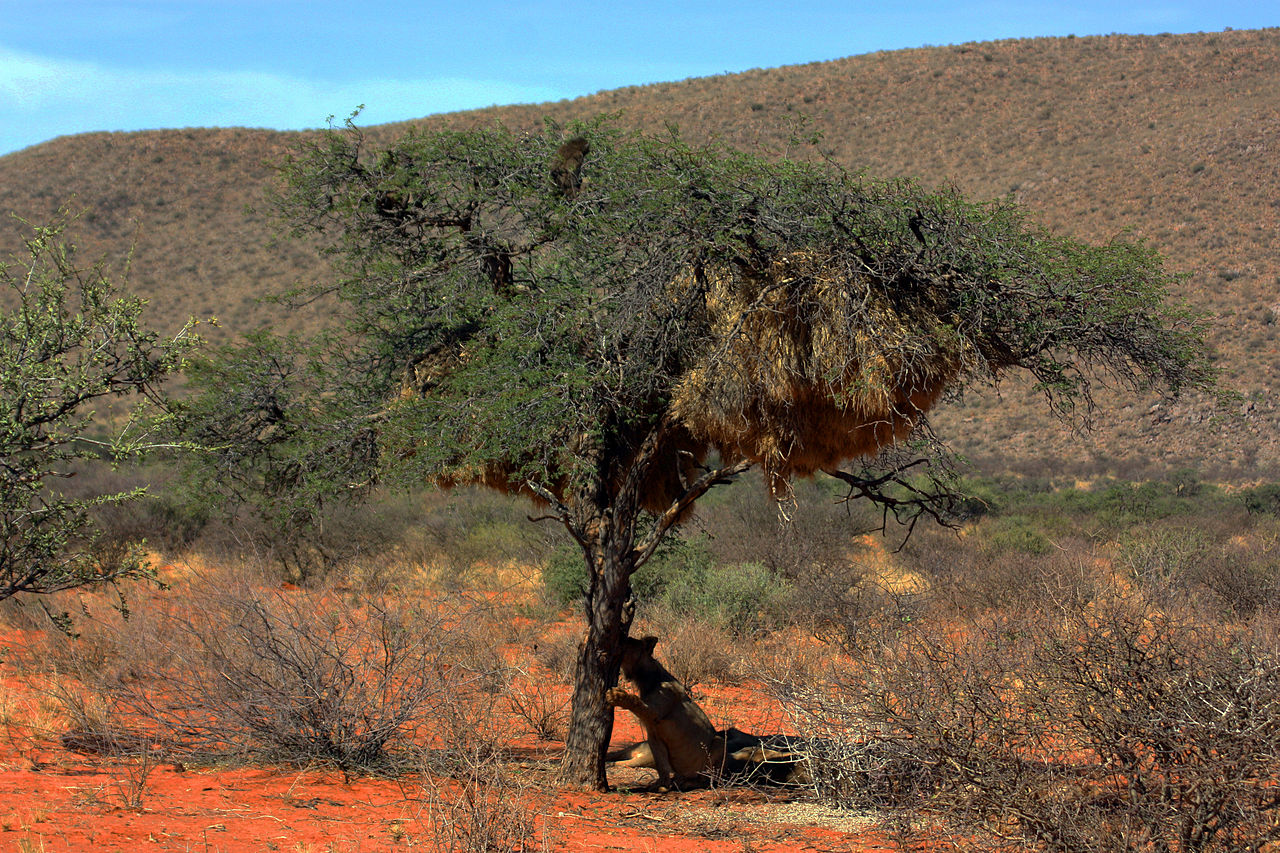
As omnivores, baboons have a varied diet that can include fruits, seeds, roots, grasses, insects and small vertebrates. Their ability to exploit diverse food resources helps them occupy a wide range of habitats, from riverine woodlands to savanna and arid scrub. Baboons can influence local ecology through seed dispersal and predation, and they are both prey for large carnivores and effective group defenders against some threats.
Reproduction, lifespan and interactions with people
Females typically give birth to a single infant after a gestation of several months; mothers nurse and protect young until weaning. Lifespan varies but many baboons live well over a decade in the wild and longer in captivity. Baboons frequently encounter humans: they are studied in behavioral research, appear in cultural iconography, and sometimes enter conflict with people by raiding crops or scavenging around settlements. Conservation status differs by species and region, with some populations stable and others affected by habitat loss and human pressures.
Notable facts and research
- Baboons are among the largest of the Old World monkeys and display advanced social cognition compared with many other primates.
- Research on baboon social networks, disease transmission and ecology has informed broader studies of primate behavior and evolution.
- For additional taxonomic or biological details consult specialist resources such as the literature associated with Papio studies.
Because of their adaptability and complex societies, baboons continue to be important subjects for ecological and behavioral research as well as focal species in discussions about human–wildlife coexistence.
Related articles
Author
AlegsaOnline.com Baboon (genus Papio): biology, behavior and human interactions Leandro Alegsa
URL: https://en.alegsaonline.com/art/8038