
Onager (Equus hemionus): the Asian wild ass
Onager, or Equus hemionus, is a wild ass native to parts of Asia. This article summarizes its appearance, behavior, range, conservation concerns and how it differs from other equids.
The onager (Equus hemionus) is a wild equid commonly called the Asian wild ass. It belongs to the horse family, Equidae, and is recognized for its compact, muscular build, sandy coat and high endurance in arid landscapes. The scientific name Equus hemionus is used for the species and its several regional forms.
Image gallery
10 Images



Appearance and biology
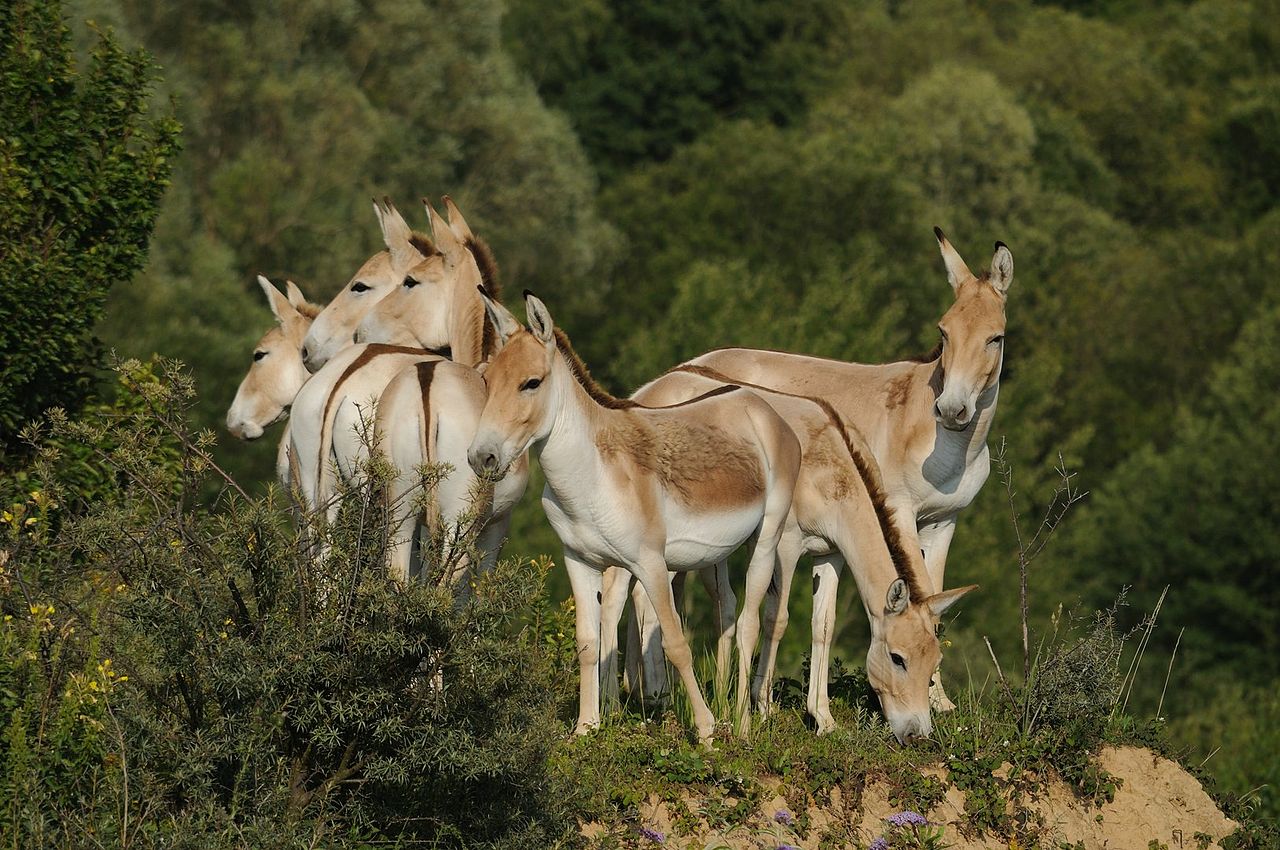
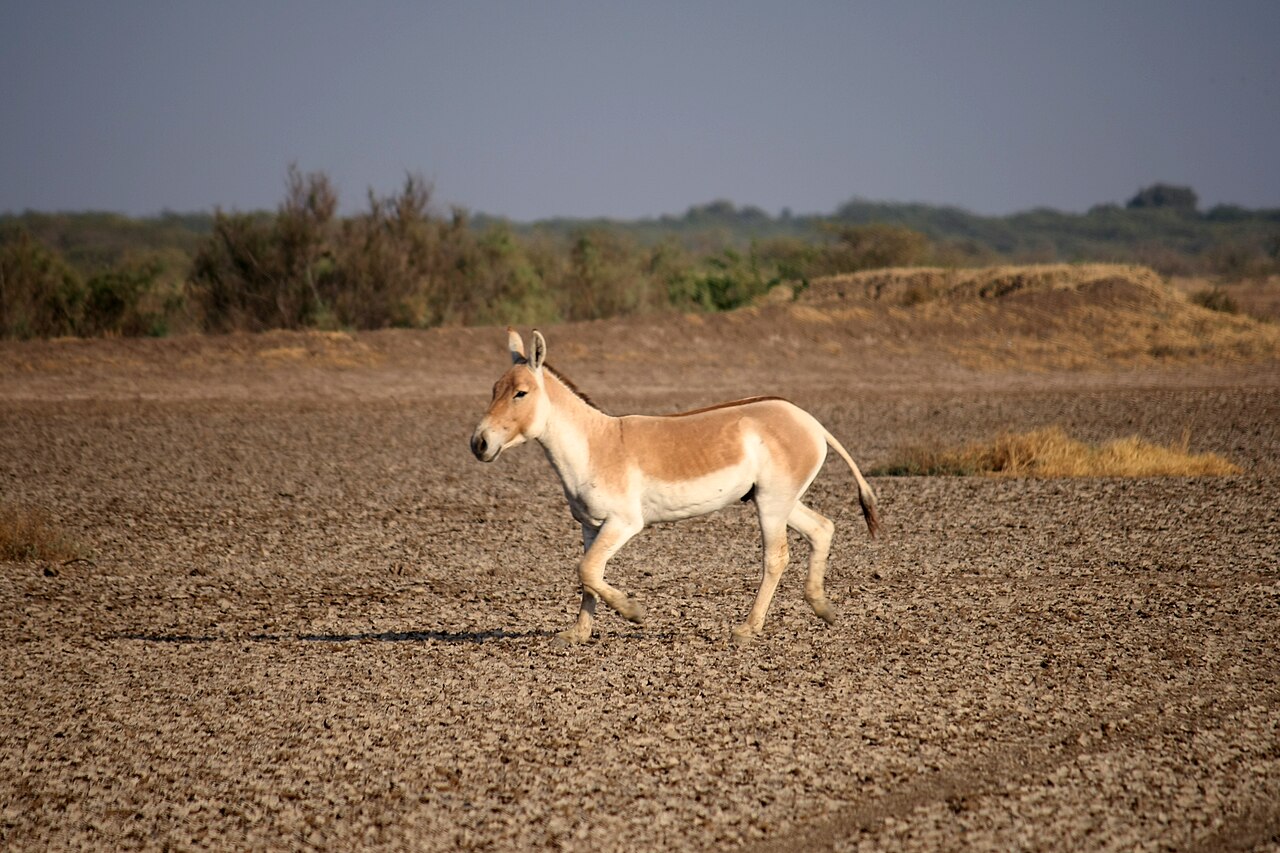
Onagers are medium-sized equids with a short erect mane, long legs, broad hooves and large ears. Coat color ranges from pale tan to reddish-brown, often lighter on the underparts. They are adapted for running and long-distance movement across sparse terrain and can feed on a mix of grasses, herbs and shrubs.
Range and habitat
Historically and today the species occurs in desert and semi-desert regions across parts of western and central Asia. Populations and relict populations have been recorded in places such as Syria, Iran, Pakistan, Kashmir, Israel, Palestine and western China. Habitat preference includes open plains, stony deserts and dry shrublands where water and forage are scattered.
Behavior and social structure
Onagers are primarily grazers and browsers that may travel widely to find food and water. Social organization varies by local conditions; some groups are loose female-led herds, while males may be solitary or hold territories. They communicate using vocalizations, body postures and scent marking.
Conservation and human interactions
Populations have declined in many areas because of habitat loss, competition with livestock, hunting and fragmentation. Several regional subspecies or populations have been the focus of protection, captive-breeding and reintroduction efforts. Conservation efforts emphasize habitat protection, reducing human-wildlife conflict and restoring migratory routes.
Distinctive facts
- Onagers differ from domestic donkeys and zebras by coat, mane and many behavioral traits.
- Some regional forms are named as subspecies and have been subject to separate conservation programs.
- They are iconic of arid Asian ecosystems and are studied for adaptations to heat, water scarcity and open-country movement.
Related articles
Author
AlegsaOnline.com Onager (Equus hemionus): the Asian wild ass Leandro Alegsa
URL: https://en.alegsaonline.com/art/72538