
Ape: biology, classification, behavior and conservation
Overview of apes (Hominoidea): anatomy, classification, behavior, evolution, and conservation, with distinctions from monkeys and notes on human relationships.
Overview
Apes are members of the superfamily Hominoidea, a branch of the order of primates and the class mammals. They are native primarily to Africa and Southeast Asia, and include a range of species varying in size, habitat and social organization. Living hominoids are grouped into two main families and several genera. Apes are often contrasted with monkeys, a distinction that is visible in anatomy and locomotion.
Image gallery
10 Images


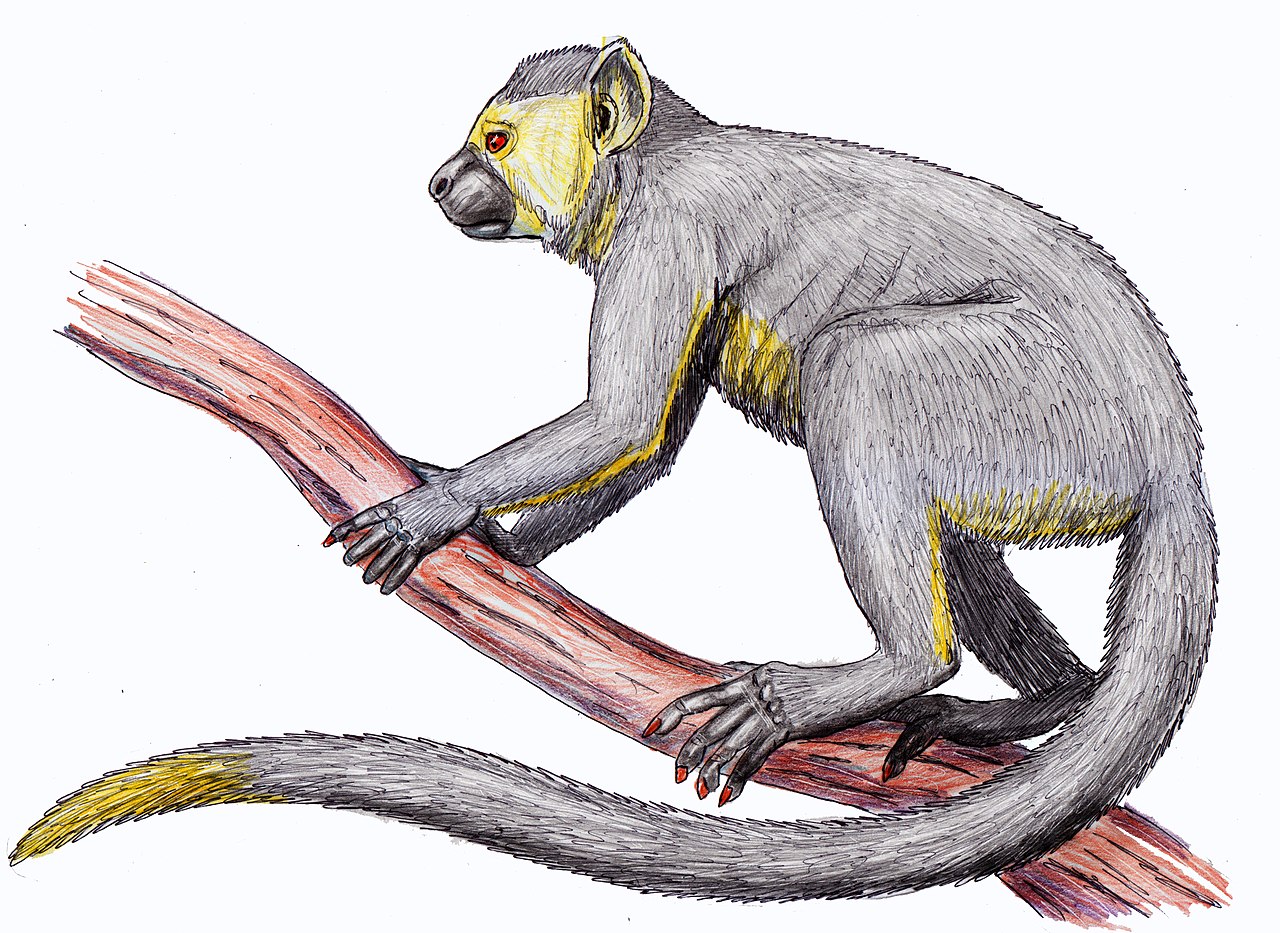


Key characteristics
Apes share several anatomical traits that distinguish them from many other primates. They lack external tails, have a relatively larger brain compared to body size, and possess a particularly flexible shoulder joint that permits a wide range of arm movement, including tree-swinging (brachiation) in some species. Differences in dental structure and facial anatomy are also notable; studies of teeth help scientists understand diet and developmental patterns. Most apes are primarily herbivorous but vary in the extent to which they include animal matter in their diets.
- Locomotion: from knuckle-walking to brachiation and upright posture.
- Dietary habit: mainly fruits, leaves, seeds, and sometimes invertebrates or small vertebrates; many are broadly omnivores.
- Social behavior: ranges from solitary to complex social groups with long-term bonds.
Classification and notable groups
Living apes are conventionally divided into two families. The smaller family Hylobatidae contains the lesser apes, commonly called gibbons, such as the gibbons and siamangs. The larger family Hominidae includes the great apes and humans: humans, chimpanzees, bonobos, gorillas, and orangutans. Each of these taxa has distinct behaviors and ecological needs, yet they share common ancestry and many physiological similarities.
Behavior, cognition and ecology
Apes exhibit a wide range of behaviors: tool use and problem solving are well documented in chimpanzees and some orangutans; gibbons are known for long-distance vocal duets that strengthen pair bonds; gorillas form stable family groups led by a dominant silverback. Diets are adaptable and often seasonally driven, with fruit playing a central role for many species. Social learning and cultural variation have been observed, underscoring advanced cognitive abilities relative to most other nonhuman mammals.
Evolutionary background and fossil record
The hominoid lineage diverged from other primates millions of years ago, with a fossil record that becomes richer throughout the Miocene. Fossils show a diversity of now-extinct ape forms and geographic distributions that were broader in the past. Comparative anatomy, genetic data and paleontology together help reconstruct the evolutionary relationships among living apes and their extinct relatives.
Human interactions and conservation
Humans share close evolutionary ties with the great apes, which has shaped scientific interest and ethical debates. Habitat loss, hunting, disease and fragmentation threaten many ape populations; conservation efforts combine protected areas, community engagement and research. Understanding ape biology, ecology and social systems is essential to effective conservation and to appreciating the role apes play in tropical ecosystems and in the study of human origins.
For further reading on primate classification and ape biology see resources on primate taxonomy and comparative anatomy: mammal overview, primate page, and regional information for African and Southeast Asian habitats. Taxonomic resources: Hylobatidae family, gibbons, siamangs, Hominidae, humans, chimpanzees, bonobos, gorillas, orangutans. Comparative topics: monkeys vs apes, dental evidence, and dietary studies on omnivory.
Questions and answers
Q: What are apes?
A: Apes are mammals belonging to the primate family Hominoidea.
Q: Where are apes native to?
A: Apes are native to Africa and Southeast Asia.
Q: What are the two families of living apes?
A: The two families of living apes are Hylobatidae (the gibbons and siamangs) and Hominidae (humans, chimpanzees, bonobos, gorillas and orangutans).
Q: What is one clear difference between monkeys and apes?
A: One clear difference between monkeys and apes is that monkeys almost always have tails, but hominoids never do.
Q: What is brachiation?
A: Brachiation is a way of movement where animals swing by their arms in the trees. Apes have a wide degree of freedom at the shoulder joint, which helps them perform brachiation.
Q: What do apes eat?
A: Apes eat fruits, nuts, seeds, leaves and sometimes other animals. They are generally omnivores, though most of their intake is mainly herbivorous.
Q: Are there any differences between the teeth of apes and monkeys?
A: Yes, there are differences in their teeth.
Related articles
Author
AlegsaOnline.com Ape: biology, classification, behavior and conservation Leandro Alegsa
URL: https://en.alegsaonline.com/art/4858
Sources
- departments.bucknell.edu : departments.bucknell.edu/biology/resources/msw3/browse.asp?id=12100751
- doi.org : 10.1007/BF02099995
- pubmed.ncbi.nlm.nih.gov : 2109087
- newscientist.com : "Loving bonobos have a carnivorous dark side"
- nature.com : "Humans are becoming more carnivorous"