
Colobus: African leaf-eating monkeys of the genus Colobus
Colobus are African monkeys known for reduced thumbs, folivorous diets and complex stomachs. This article covers their traits, habitat, social life, interactions with predators and conservation status.
Overview
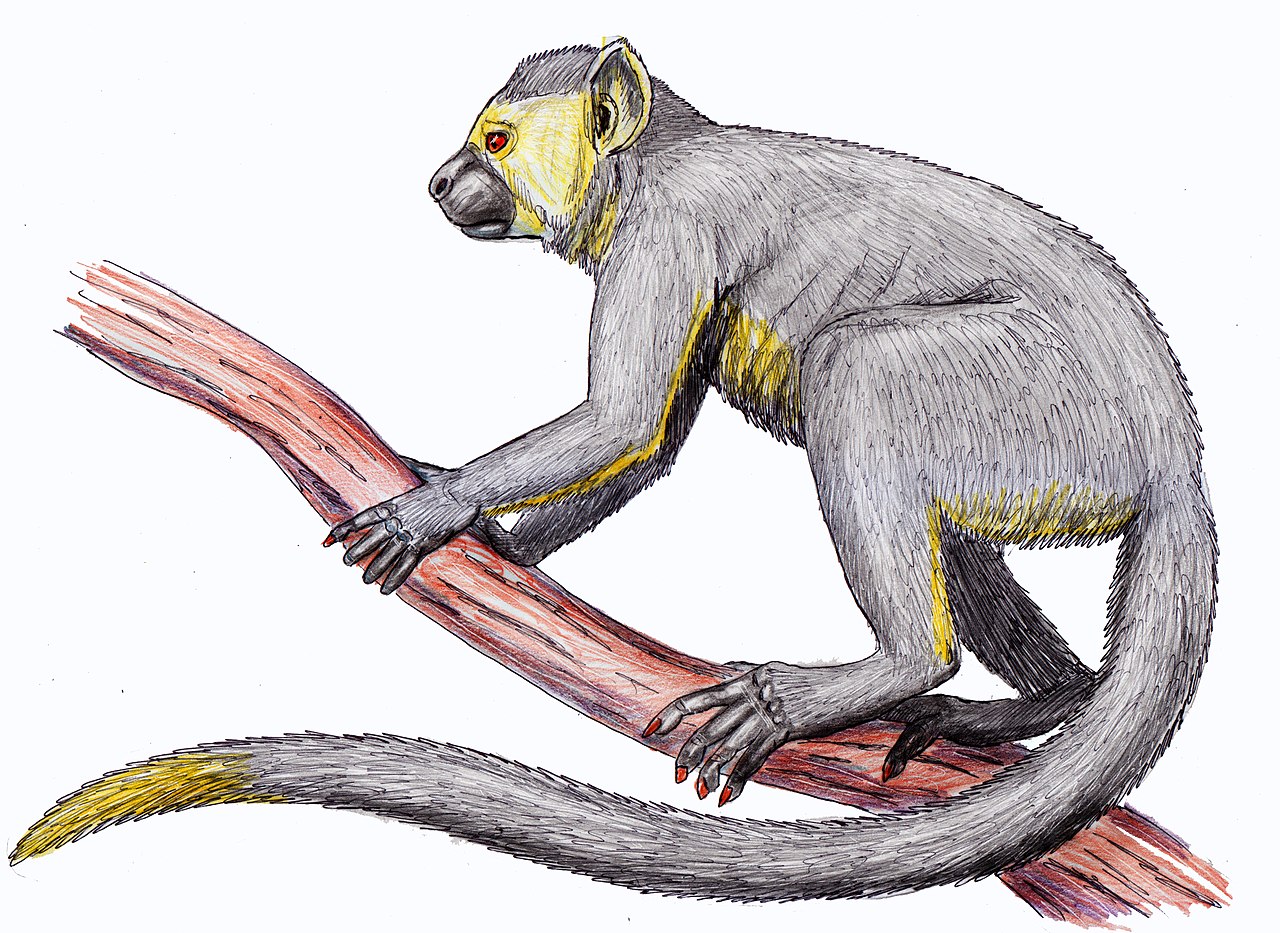
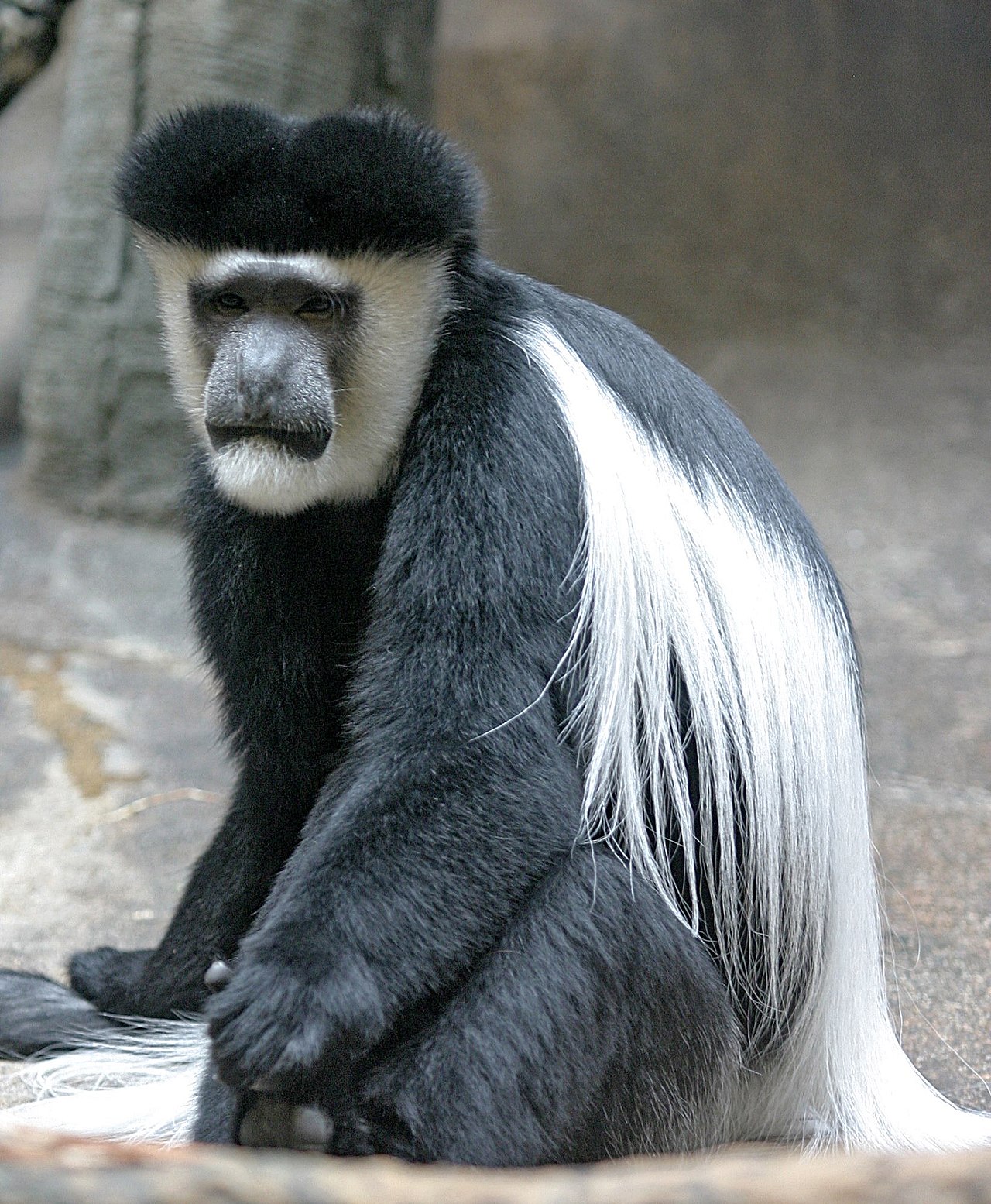
Colobus refers to a group of Old World monkeys belonging to the genus Colobus, native to sub-Saharan Africa. Their common name derives from the Greek κολοβός, meaning "docked," a reference to their vestigial thumb. Colobus species are best known for their striking pelage in some species, predominantly leaf-based diets, and adaptations that allow them to exploit foliage more effectively than many other primates.
Image gallery
10 Images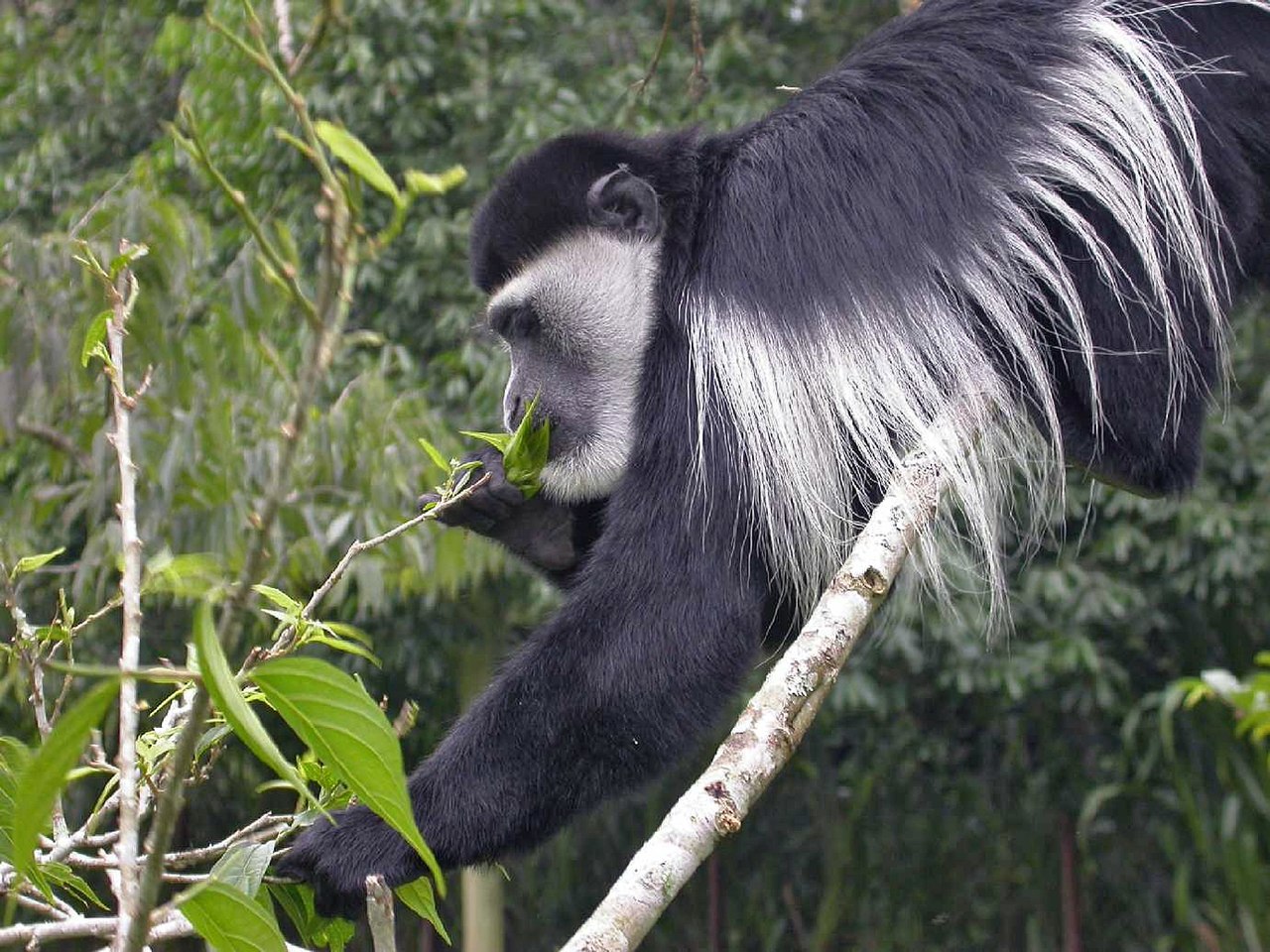



Distinguishing characteristics
Several physical and physiological traits set colobus monkeys apart. Most conspicuously, the thumb is reduced to a small stump, which facilitates a hook-like grip useful for arboreal locomotion. Their dentition and limb proportions reflect a life in the trees. Internally, colobus monkeys possess complex, multi-chambered stomachs; these ruminant-like digestive adaptations enable the microbial breakdown of cellulose so they can extract nutrients from mature leaves. Their diet includes leaves, fruit, flowers and twigs, and their feeding behaviour often involves selecting particular plant parts or seasons when leaves are more digestible.
Habitat and range
Colobus monkeys inhabit a variety of wooded environments across their African range. Typical habitats include primary and secondary rainforests, riverine forests, montane woodlands and wooded savanna. Some species are more forest-dependent, while others tolerate fragmented or disturbed stands. Their arboreal lifestyle ties them closely to tree cover for both feeding and protection from predators.
Social structure and reproduction
Colobus live in social groups that commonly consist of a single adult male, several adult females and their offspring; group sizes vary by species and local conditions. Newborn infants are often conspicuously pale or white, a trait that may aid in social recognition. Infant care is notably communal: non-maternal group members frequently participate in grooming and carrying young, a form of alloparenting that strengthens social bonds within the troop.
Predators and notable interactions
Natural predators include large birds of prey, big cats and, importantly, other primates. Field studies have documented that chimpanzees hunt and consume colobus monkeys. Ethologists, most famously Jane Goodall, observed coordinated hunts in which chimpanzees isolate and capture colobus, then share the meat among group members through social exchanges. Such observations altered earlier assumptions about chimpanzee diet and cooperative behaviour.
Conservation and human interactions
Like many forest-dwelling primates, colobus populations face threats from habitat loss, fragmentation and hunting. Some species and local populations are considered at risk where forests are cleared for agriculture or where they are hunted for bushmeat. Conservation measures include protected areas, habitat restoration and community-based programmes to reduce hunting pressure and promote coexistence. Research and monitoring remain important to clarify the status of different species and to guide conservation priorities.
Useful distinctions and further reading
It is useful to distinguish the genus Colobus from closely related genera such as Piliocolobus (the red colobus), which differ in coloration, behaviour and ecological preferences. For more detailed taxonomic, ecological and behavioural information, see general primate references and field reports available through institutional and conservation outlets: genus overview, regional faunal accounts (distribution), dietary studies (food sources, foraging), habitat research (forest types), digestive physiology (stomach function, ruminant comparisons) and observational reports on predator interactions (chimpanzee hunting).
Questions and answers
Q: What does the word "colobus" mean?
A: The word "colobus" comes from Greek κολοβός which means "docked". This refers to their thumbs, which are just stumps.
Q: What do colobus monkeys eat?
A: Colobus are herbivorous and they eat leaves, fruit, flowers, and twigs.
Q: Where do colobus live?
A: Their habitats include primary and secondary forests, riverine forests, and wooded grasslands.
Q: How many individuals make up a typical colobus troop?
A: Colobus live in territorial groups of about nine individuals.
Q: How do newborn colobus look like?
A: Newborn colobus are completely white.
Q: Who takes care of an infant in a troop?
A: Mothering is shared among other members of the troop as well as the biological mother.
Q: What did Jane Goodall discover about chimps diet and behavior?
A: Jane Goodall discovered that chimps hunt and eat smaller primates such as Colobus monkeys. She watched a hunting group isolate a colobus high in a tree, block all possible exits, then a chimpanzee climbed up and captured and killed the colobus. This was a major scientific find which challenged previous conceptions of chimp diet and behavior.
Related articles
Author
AlegsaOnline.com Colobus: African leaf-eating monkeys of the genus Colobus Leandro Alegsa
URL: https://en.alegsaonline.com/art/21679
Sources
- janegoodall.org : "Chimpanzee Central"
- pbs.org : "Jane Goodall's Wild Chimpanzees"