
Savanna: Tropical Grasslands, Ecology, and Human Interactions
Savannas are mixed grassland ecosystems with scattered trees shaped by rainfall, fire, and grazing. They support unique biodiversity, pastoral uses, and require management to balance conservation and livelihoods.
Overview
The term savanna denotes an open landscape in which grasses form a continuous ground layer and trees or shrubs occur at low density so a closed canopy does not develop. The English name derives from early use of a Panamanian term; for discussion of the word origin see the recorded Panamanian word and its relation to open prairie or plains. In contemporary ecology, savanna commonly refers to tropical and subtropical grasslands that experience a pronounced seasonal cycle of rainfall and drought, although similar open systems occur in temperate regions.
Image gallery
10 Images




Climate, soils, and vegetation
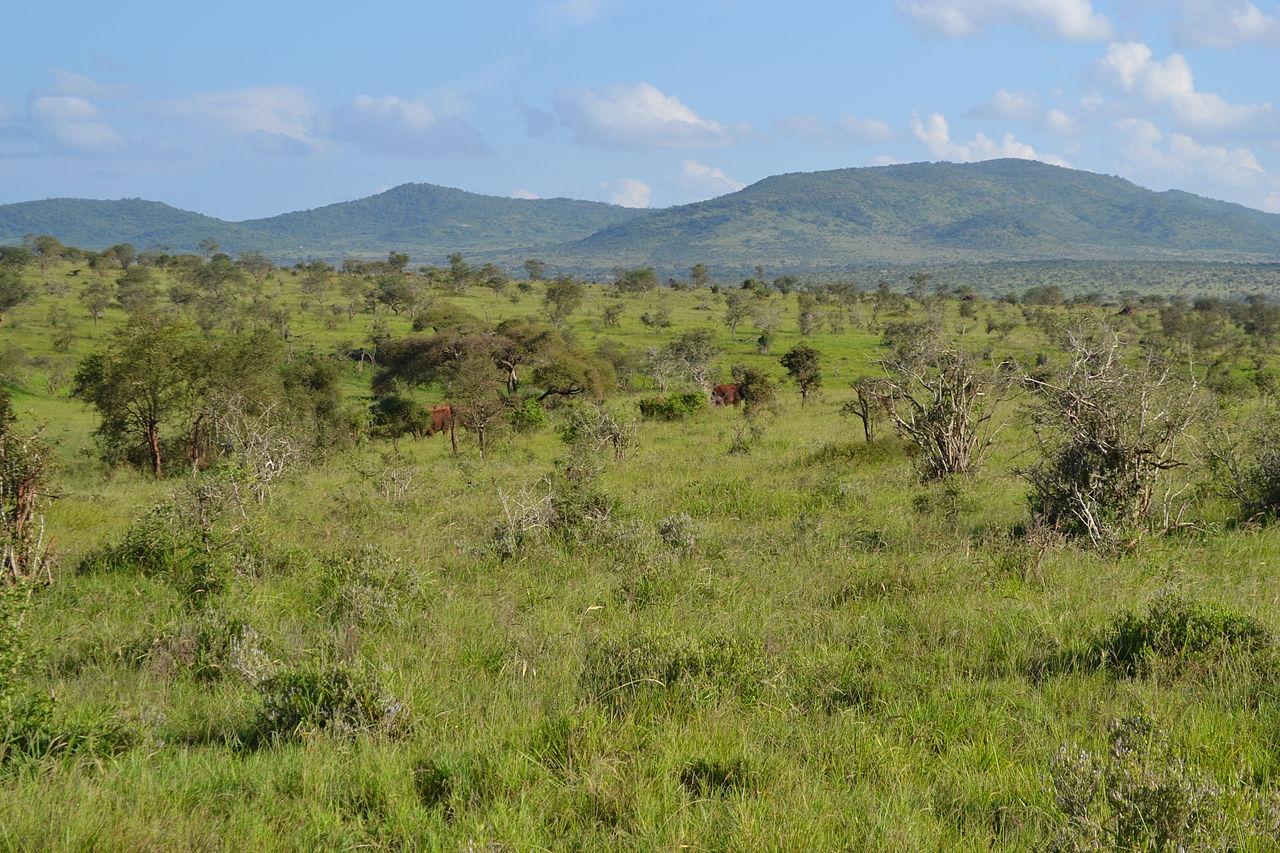
Savannas are usually associated with strong seasonality: a distinct wet season that supports rapid plant growth followed by a dry season when water limits productivity. Soils vary widely; some savannas sit on relatively infertile or well-drained substrates, while others occur on richer soils. The dominant vegetation is grasses and herbaceous plants, with scattered trees and shrubs that are adapted to drought, fire, or herbivory. Many grass species have traits that let them resprout quickly after burns or grazing; see resources on grass adaptations and drought resilience.
Ecological processes that maintain savannas
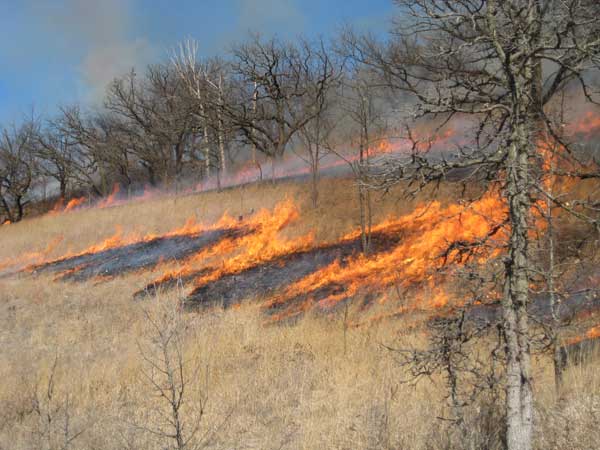
Even when rainfall might be sufficient to support closed-canopy forest, savannas persist because of recurring disturbances. Two of the most influential factors are fire and large herbivores. Frequent fires favor fire-tolerant grasses and remove tree seedlings, while grazing and trampling by herbivores limit tree recruitment. Termites, soil processes, and occasional floods or droughts also shape plant distribution and nutrient cycling. Human activities, including traditional burning and livestock grazing, have long influenced savanna dynamics.
Types and regional examples
Savanna ecosystems appear on multiple continents in varied forms. African savannas are among the most iconic, supporting a diversity of large mammals. South America contains extensive savanna regions, including cerrado and llanos, with distinct botanical compositions. Northern Australia hosts tropical savannas with unique flora and fire regimes. Temperate examples include oak and pine savannas in parts of North America and Mediterranean-type open woodlands. These regional variants differ in rainfall patterns, fire frequency, soil fertility, and the makeup of herbivore communities; see comparative studies on tropical grassland ecology.
Flora and fauna
Savannas support a mix of plant life that ranges from tall perennial grasses to drought-adapted trees. Woody species often display thick bark, deep roots, or the ability to resprout after fire. Animal communities are likewise adapted to open habitats: grazing mammals, browsers, predators, ground-dwelling birds, and a diverse array of insects play roles in seed dispersal, nutrient cycling, and vegetation control. Large herbivores can be keystone agents that maintain the open character by consuming seedlings and disturbing soils.
Human uses and cultural importance
People have used savannas for millennia for pastoralism, shifting agriculture, hunting, and gathering. Many contemporary livelihoods depend on grazing and crop cultivation in savanna regions, and a variety of cultural practices relate to fire use and land stewardship. In some areas, long-term human management created the mosaics of grassland and trees that are now valued for biodiversity and cultural heritage.
Threats and conservation
Savannas face multiple threats: conversion to cropland or plantations, altered fire regimes (both suppression and too-frequent burning), overgrazing, invasive species, and climate variability. Some savannas are also subject to woody encroachment when grazing or fire is reduced. Conservation and sustainable management aim to balance livelihoods with ecosystem function. Approaches include maintaining appropriate fire intervals, managing stocking rates for livestock, protecting key wildlife corridors, and restoring degraded areas by combining controlled burns, reseeding, and targeted tree management.
Management and restoration
Effective savanna stewardship is often place-specific and informed by traditional local knowledge as well as ecological science. Restoration techniques can involve prescribed fire to reduce woody invasion, managed grazing to mimic natural herbivory, and active revegetation where soils or seed banks are degraded. Monitoring of biodiversity, soil condition, and carbon stocks helps guide adaptive management.
Further reading and resources
Because savannas occur across diverse climates and cultures, syntheses and regional studies are useful for deeper study. For general background on origin and terminology consult etymology and landscape comparisons (etymology and history, comparative landscapes), and for ecological dynamics see sources on tropical grassland ecology, fire and grass adaptations, and drought resilience. For forest–savanna transitions and long-term landscape change consult work on forest-savanna dynamics.
- Key concepts: disturbance regimes, tree–grass competition, seasonality, grazing effects.
- Conservation focus: integrate local livelihoods with fire and grazing management.
- Research needs: responses to climate change, invasive species control, and restoration methods.
Questions and answers
Q: Where does the word savanna come from?
A: The word savanna comes from a Panamanian word for prairie or plains.
Q: What are savannas covered with?
A: Savannas are covered with tall grasses.
Q: Are there trees in savannas?
A: Savannas may have scattered bushes and trees, but not enough to keep grasses from growing.
Q: What is the most common definition of savanna?
A: The most common definition of savanna is the tropical grassland, such as in Africa.
Q: Do savanna plants and trees survive periods of drought?
A: Yes, all savanna plants and trees can survive periods of drought.
Q: Do most savannas get enough rain to support the forest?
A: Yes, most savannas get enough rain to support the forest, but the forest never happens because something keeps the trees from growing.
Q: Why does the forest never happen in savannas?
A: The forest never happens in savannas because something keeps the trees from growing, such as animals that graze and knock over trees or fires that kill most kinds of trees. Instead, there is lots of grasses and other plants that can regrow from the roots.
Related articles
Author
AlegsaOnline.com Savanna: Tropical Grasslands, Ecology, and Human Interactions Leandro Alegsa
URL: https://en.alegsaonline.com/art/87605
Sources
- blueplanetbiomes.org : "World Savanna Biomes"
- php.radford.edu : "Tropical savannas"
- oaksavannas.org : "Oak Savannas - characteristics and restoration"