
Northeastern United States
U.S. Census-defined region comprising New England and the Mid-Atlantic; noted for dense settlement, early colonial history, major metropolitan corridors, and economic and cultural influence.
The Northeastern United States is a region commonly defined by the U.S. Census Bureau and often referred to simply as the Northeast or the North. It is characterized by a long colonial history, a high proportion of urban settlement, and an outsized role in the nation’s cultural, educational and economic life. Official statistics and regional comparisons are typically reported by federal and academic sources such as the U.S. Census Bureau, and the area is frequently summarized as the Northeastern United States in demographic reports.
Image gallery
10 Images






Composition and geography
For statistical purposes the Northeast contains two Census divisions. The Mid-Atlantic division includes New York, Pennsylvania, and New Jersey. New England comprises Connecticut, Massachusetts, New Hampshire, Rhode Island, Vermont, and Maine. The Atlantic coastline, interior highlands, river valleys and the islands of the region create varied landscapes, from coastal plain and estuaries in the south to rocky coasts and forested uplands in the north.
Two nearby Atlantic states, Delaware and Maryland, are sometimes included in broader definitions of the Northeast for cultural or economic analysis; however, for many federal purposes the Census Bureau classifies those states with the Southern United States. The distinction depends on the context of the comparison—historical, climatic, economic, or administrative.
Climate and environment
Climate across the Northeast ranges from humid continental in much of New England with cold winters and warm summers, to milder coastal climates in the Mid-Atlantic and southern New England where ocean influence moderates temperature extremes. Inland valleys and higher elevations receive significant snowfall in winter, while coastal areas are subject to storm surges, nor’easters and, occasionally, tropical remnants. The region supports mixed hardwood and conifer forests, important estuarine ecosystems, and a long tradition of maritime activity.
Population and settlement patterns
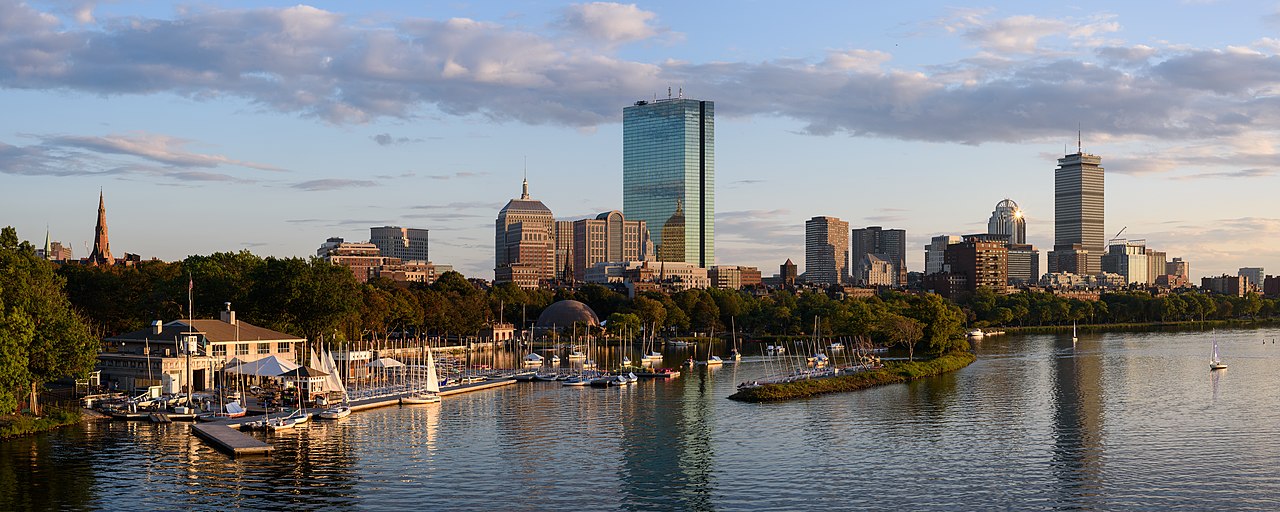
The Northeast is the most densely populated U.S. region. It contains some of the nation’s oldest continuous settlements, and a high degree of urbanization is concentrated along the I‑95 corridor that links Boston, Boston, New York City, and Philadelphia. Small states such as Rhode Island and New Jersey contribute to the region’s overall density. Population mixes include long-established communities and more recent immigrants, producing linguistic, religious and cultural diversity.
Economy and industries
The region hosts a wide range of economic activities. Financial services and media are concentrated in New York City; higher education, research and biotechnology have major nodes in and around Boston; historic manufacturing centers remain important in parts of Pennsylvania and other states. Ports, shipping, healthcare, tourism, technology startups and professional services are also significant. The economic profile varies considerably between dense metropolitan cores and rural inland areas.
Transportation and infrastructure
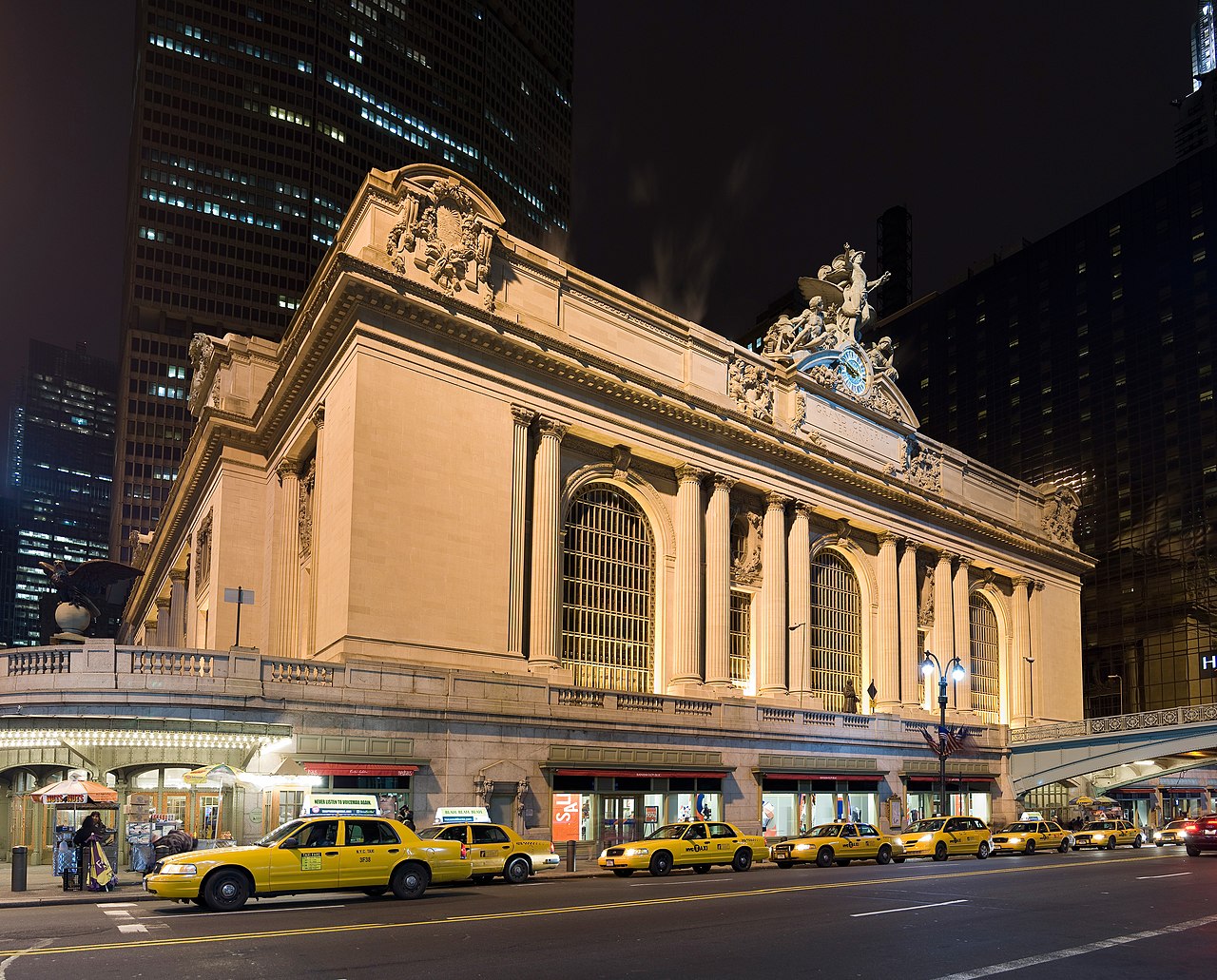
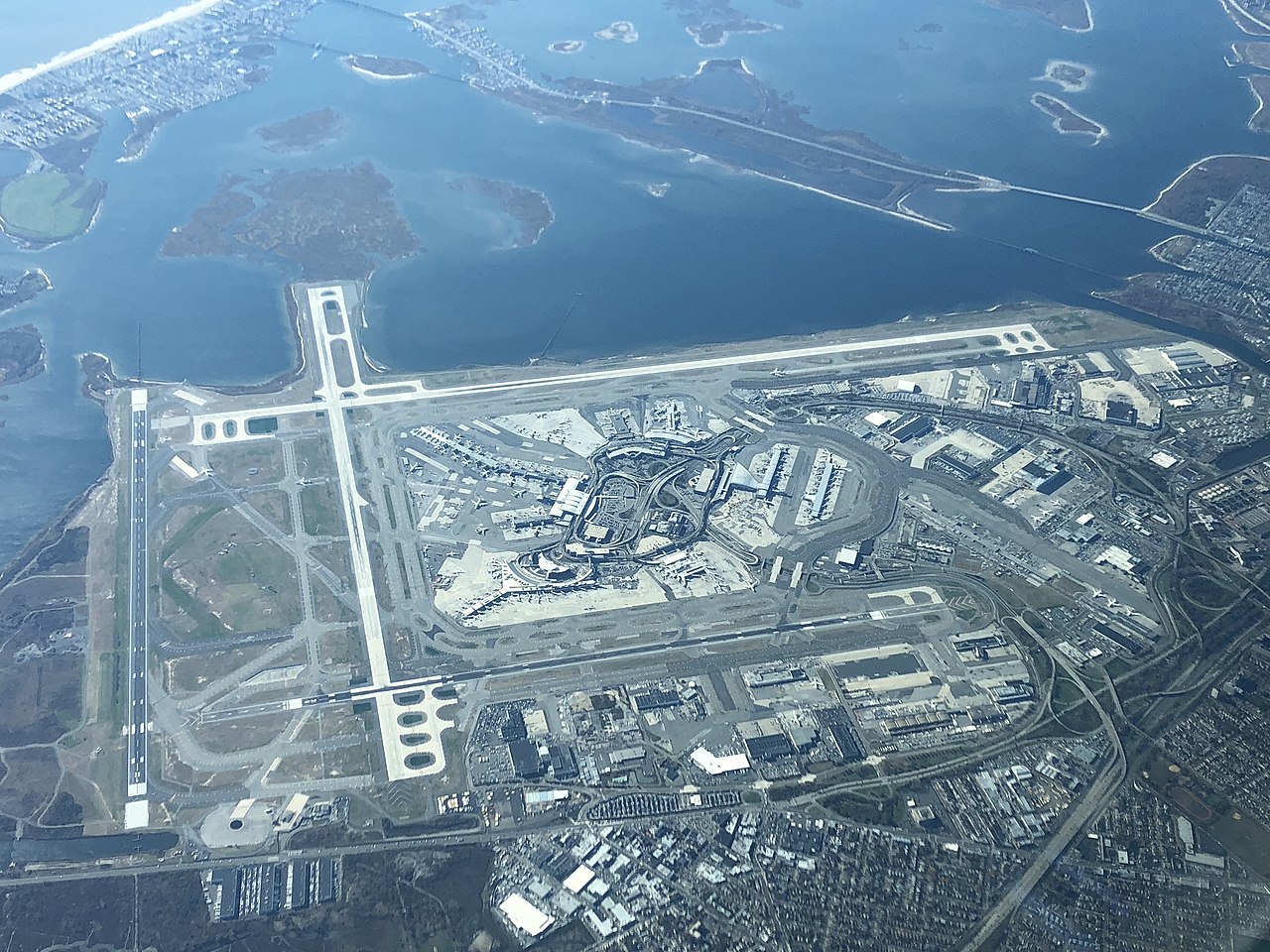
The Northeast contains one of the country’s most integrated transportation networks. Major intercity rail routes, commuter rail systems, dense highway corridors and several of the nation’s busiest airports support both regional commuting and international travel. Public transit systems in the largest metropolitan areas link dense urban neighborhoods with suburban and exurban communities.
History and cultural importance
European colonization, early colonial assemblies, and events of the American Revolution are central to the region’s historical identity. The Industrial Revolution found early expression here, with textile mills, ironworks and shipbuilding shaping 18th‑ and 19th‑century growth. That long history is reflected in many museums, preserved historic districts, and a high concentration of longstanding cultural institutions and performing arts organizations.
Education, research and the arts
The Northeast contains many of the nation’s oldest colleges and universities, a rich network of public and private research institutions, and a dense cluster of cultural venues. These institutions contribute to workforce development, technological innovation and cultural exchange, drawing students and scholars from around the world.
Politics and regional identity
The states of the Northeast play prominent roles in national politics, federal policymaking and regional governance initiatives. While political views and priorities vary within and between states, the region is influential in national debates over economic policy, urban planning, environmental regulation and higher education funding.
Major metropolitan centers and examples
- New York City — global finance, media and cultural industries.
- Boston — higher education, research and biotechnology.
- Philadelphia — historic institutions, education and healthcare.
- Other important urban areas occur throughout New York, Pennsylvania and New Jersey, as well as across the New England states such as Massachusetts and Connecticut.
For regional overviews and statistical comparisons consult summary pages on the Mid-Atlantic and New England divisions and authoritative national sources. Whether considered as a cultural area, an economic nexus, or a statistical region, the Northeast remains central to many aspects of American life and history.
Related articles
Author
AlegsaOnline.com Northeastern United States Leandro Alegsa
URL: https://en.alegsaonline.com/art/71001