
Northern Cyprus: history, status, society and contemporary issues
Overview of Northern Cyprus (TRNC): its geography, history from Ottoman and British rule to 1974 division, governance, economy, demographics, culture, and the island’s unresolved international status.
Northern Cyprus refers to the territory in the northern portion of the island of Cyprus governed by the self-declared Turkish Republic of Northern Cyprus (TRNC). The entity is a de facto state widely described as separated from the internationally recognised Republic of Cyprus; only Turkey recognises it as an independent republic. The TRNC covers roughly the northern third of Cyprus, an area of about 3,335 km², and is predominantly inhabited by Turkish Cypriots and people who moved from mainland Turkey. The majority community follows Sunni Islam, and Turkish is the principal language.
Image gallery
10 Images


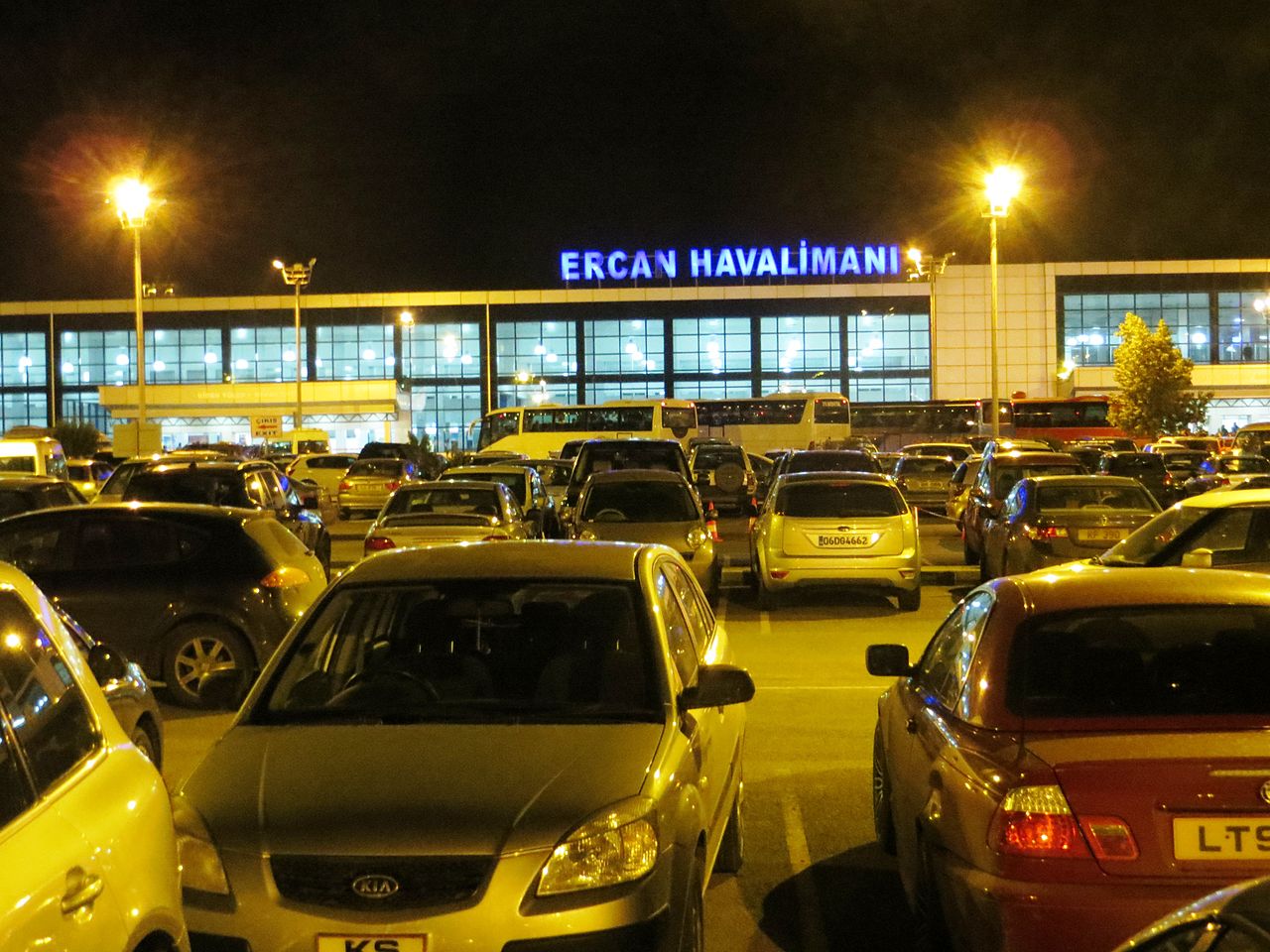
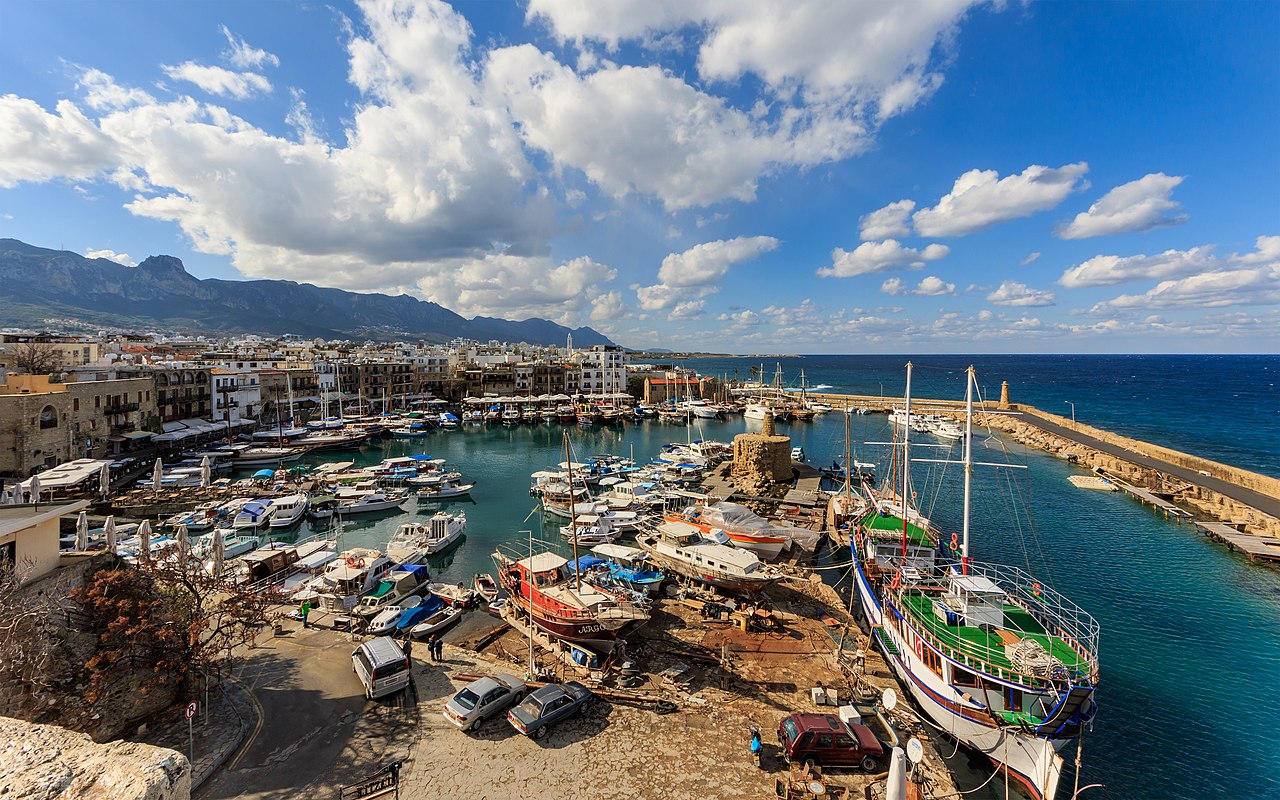

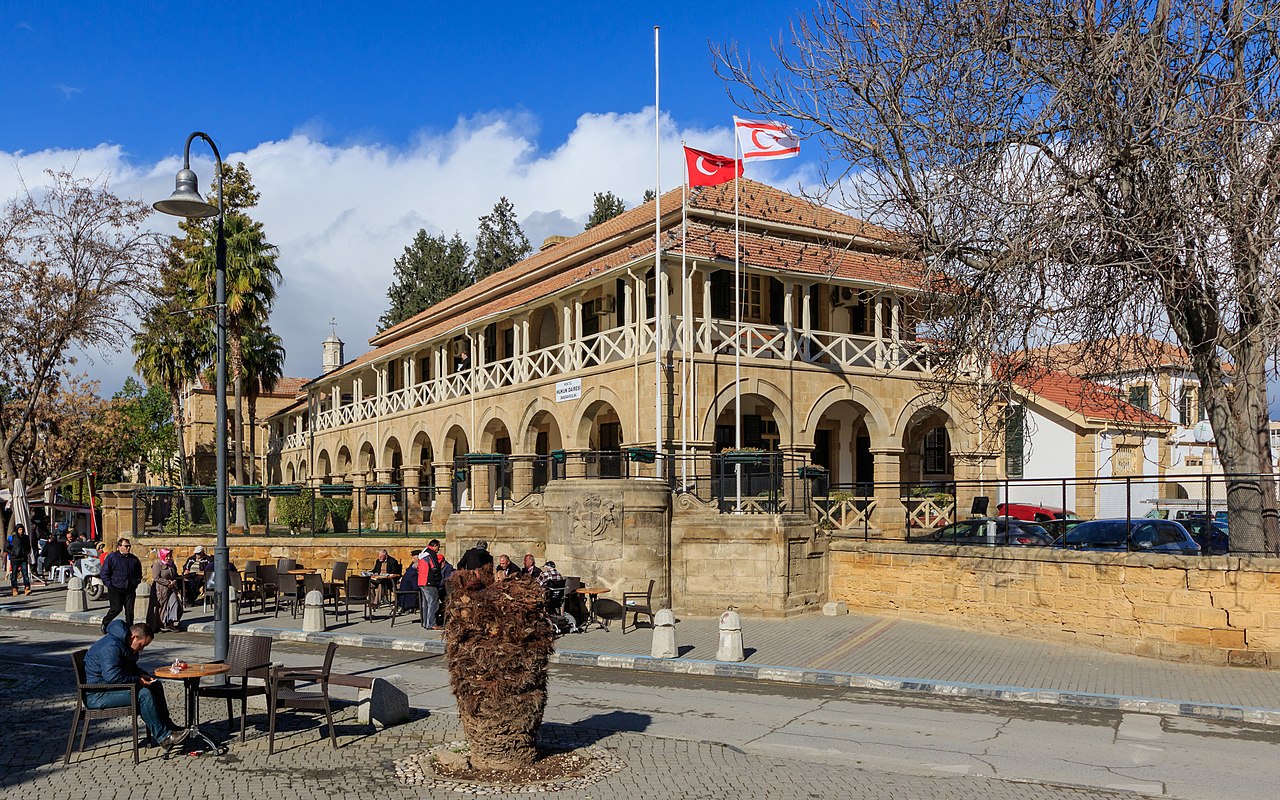

Geography and demographics
The landscape of Northern Cyprus includes coastal plains, the Kyrenia mountain range on the north coast, and agricultural interior valleys. Major urban centres include the capital at Lefkoşa (Nicosia on maps of the whole island), Kyrenia (Girne) and Famagusta (Gazimağusa). Population estimates vary; the community consists of long-established Turkish Cypriot families, Turkish settlers who arrived after 1974, and minority groups such as the Gurbeti-Roma, a Muslim Romani community who speak both a Romani dialect and Cypriot Turkish. The United Nations buffer zone, often called the Green Line, separates the north from the southern part of the island and is patrolled by UNFICYP peacekeepers.
Historical outline
Cyprus has a layered history. Ottoman forces conquered the island in the 16th century and it remained under Ottoman rule for centuries; modern Turkish-language place names reflect this legacy (Ottoman Empire). Administration began to shift in the late 19th and early 20th centuries when Britain took control; British administration started in 1878 and was later formalised during and after World War I (World War I). The island became a crown colony in the interwar period (crown colony), and the post‑Ottoman settlement recognised by the Treaty of Lausanne is a key legal milestone (Treaty of Lausanne).
Intercommunal tensions between Greek Cypriots and Turkish Cypriots escalated in the mid‑20th century. Following a coup aimed at union with Greece and a subsequent large-scale military intervention by Turkey in 1974, the island was effectively divided. In 1983 Turkish Cypriot authorities declared the Turkish Republic of Northern Cyprus; Rauf Denktaş became its first president. The TRNC's declaration has not been accepted by the United Nations general membership, which recognises the sovereignty of the Republic of Cyprus over the whole island (Republic of Cyprus).
Political status and negotiations
Northern Cyprus functions with institutions typical of a modern state: an elected president, a legislature, courts and municipal administrations. Various UN‑brokered and other negotiations have sought a settlement to reunify the island, including a comprehensive UN proposal in 2004 (the Annan Plan), which was accepted by Turkish Cypriot voters but rejected by Greek Cypriots. Because the TRNC is recognised only by Turkey, it faces restrictions in direct international trade, air links and formal diplomatic relations; these constraints are often described as embargoes and limit direct contact in many areas.
Economy, society and culture
The economy of Northern Cyprus relies on services, small‑scale agriculture, tourism and education; universities in the north attract many foreign students. The territory receives significant financial and infrastructural support from Turkey. Local culture blends Anatolian and Cypriot traditions: cuisine, music and festivals reflect Ottoman and Mediterranean influences, while everyday life is shaped by cross‑community contacts as well as the island’s divided reality.
Notable facts and distinctions
- Legal and diplomatic status: the TRNC is a de facto state recognised only by Turkey, while the international community regards the land as part of the Republic of Cyprus (Republic of Cyprus).
- Historical links: Ottoman settlement patterns and later British administration are significant in the island’s modern trajectory (Ottoman Empire, crown colony).
- Demographic complexity: native Turkish Cypriots, settlers from mainland Turkey after 1974 (settlers), and minority groups such as the Gurbeti‑Roma contribute to a diverse society.
- International engagement: UN peacekeeping and mediation remain central to efforts to resolve the division; the island’s status is often described with terms such as de facto when referring to the TRNC’s governance.
For readers who want to explore primary documents, legal texts and historical accounts, several sources provide background on specific events, agreements and personalities associated with Northern Cyprus. Further information may be found through archival materials and neutral international summaries that discuss the 1974 events, subsequent politics and ongoing negotiations.
Related topics: the Turkish language name Kuzey Kıbrıs, demographic and religious patterns (Sunni Islam), the role of post‑World War I arrangements (World War I, Treaty of Lausanne), and biographical studies of leaders such as Rauf Denktaş help situate the TRNC within broader Mediterranean and international contexts. Additional contextual resources: de facto state studies, legal analyses of recognition, and historical surveys of Ottoman and British rule are useful starting points (Turkey, Republic of Cyprus, Ottoman, settler, colonial, local name).
Questions and answers
Q: What is Northern Cyprus?
A: Northern Cyprus, officially the Turkish Republic of Northern Cyprus (TRNC), is a de facto state in the northern half of the island of Cyprus. It is internationally recognised as part of the Republic of Cyprus and only Turkey recognises it as a separate state.
Q: How many people live in Northern Cyprus?
A: Approximately 300,000 Muslim Turkish Cypriots live in its 3,335 km².
Q: What religion do most people practice in Northern Cyprus?
A: The main religion practiced by most people in Northern Cyprus is Sunni Islam. As such, male Cypriot Turks are circumcised.
Q: When did Turkey give up control over the island to the British Empire?
A: In 1923, by the Treaty of Lausanne Turkey gave up control over the island to the British Empire which then converted it to a crown colony. The British administered it from 1878 until 1960.
Q: What happened during 1974 that caused international condemnation?
A: In 1974, Turkish Cypriots were killed at Maratha, Santalaris and Aloda massacre due to growing conflict with Greece; this prompted Turkey to invade and occupy Cyprus which drew international condemnation and resulted in Northern Cyprus remaining unrecognized by the United Nations.
Q: Who formed 'The Turkish Republic of Northrn Cprus'?
A: The ''Turkish Republic of Northrn Cprus'' was formed in 1983 and Rauf Denktash became its first president.
Q: Who are Gurbeti-Roma ?
A: Gurbeti-Roma are a Xoraxane Roma Muslim subgroup who settled on Cypurs since it was part of Ottoman Empire; they speak Gurbetca an own Romani dialect and Cypriot Turkish
Related articles
Author
AlegsaOnline.com Northern Cyprus: history, status, society and contemporary issues Leandro Alegsa
URL: https://en.alegsaonline.com/art/71016
Sources
- ekonomi.gov.tr : "KKTC"
- yeniduzen.com : "Saatler geri alınıyor!"