
New York (state)
New York is a northeastern U.S. state anchored by New York City, with varied landscapes from the Adirondacks to Long Island and a history from Dutch colony to influential American state.
New York is a state in the northeastern United States that combines a densely populated urban core with extensive rural and natural regions. Its largest city, New York City, is a global center for finance, culture and media, while the state capital, Albany, has long been a regional administrative and political hub. New York is sometimes called "New York State" to distinguish it from New York City and is widely known by the nickname "Empire State," reflecting its historical importance to commerce and industry.
Image gallery
10 Images

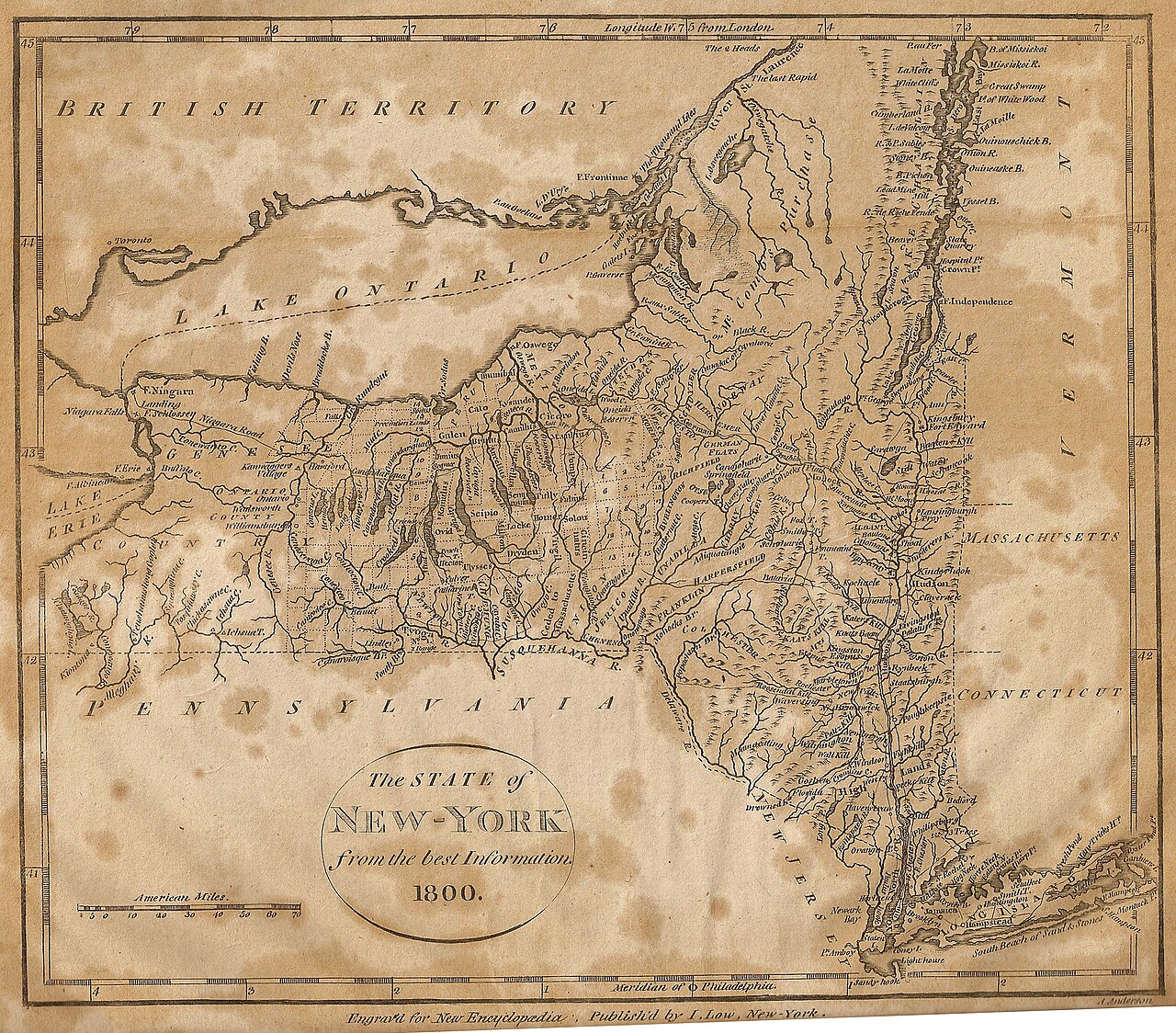





Geography and environment
The state's geography is diverse: coastal areas and estuaries lie along the Atlantic Ocean and Long Island; wide river valleys follow the Hudson and Mohawk rivers; and the interior contains two principal mountain regions, the Adirondack Park in the north and the Catskill Mountains to the south. Western New York abuts the Great Lakes, with notable waterways such as the Niagara Gorge and Lake Erie. New York shares land and water borders with neighboring states and with Canada, and its climate ranges from maritime on the coast to continental inland, supporting forests, wetlands, farmland and urban ecosystems.
Origins and history
The territory now called New York was first colonized by Europeans in the early 17th century as the Dutch colony of New Netherland. Settlements around the Hudson River and Manhattan were centers of trade. Control passed to the English later in the 17th century and the colony was renamed in honor of the Duke of York. During the American Revolutionary period New York was the scene of major events and battles that affected the course of the conflict. After independence it became one of the original states and played a central role in the political, economic and social development of the young nation.
Population, government and economy
New York is among the most populous U.S. states and contains a large, diverse population that is concentrated in metropolitan areas but also distributed across smaller cities, suburbs and rural counties. State government is organized under a constitution with an elected governor and a bicameral legislature. The state's economy is broad: finance, international trade, professional services, media and technology dominate in New York City; manufacturing, higher education, healthcare and agriculture are important across other regions. Major transportation hubs, ports and airports make New York an entry point for commerce and visitors.
Culture and significance
New York has outsized cultural influence in the United States and internationally. It is home to prominent museums, theaters and universities, and it has historically been a gateway for immigrants arriving by sea and land. Landscapes such as the Adirondacks and Niagara Falls draw visitors for outdoor recreation and scenic value, while urban neighborhoods reflect a wide range of ethnic, linguistic and artistic traditions. The state has also been influential in the development of American law, finance, publishing and popular entertainment.
Distinctive features and notable facts
- Distinguished by contrasts between a major global city and expansive rural protected areas.
- Contains important river systems and watershed areas that shaped settlement patterns and industry.
- Has a long history of immigration and cultural exchange that continues to shape its economy and identity.
- Hosts a mix of public and private higher-education institutions with national influence.
Further reading and links
Relevant topics, historical references and nearby regions are listed below for additional context:
- State overview
- United States context
- Thirteen Colonies
- Northeastern United States
- Lake Ontario
- Canada and the border
- Lake Erie
- Western New York
- Pennsylvania
- Southern border areas
- Vermont
- Massachusetts
- Connecticut
- Eastern New York
- New Jersey
- New Netherland
- Dutch colonial history
- Anglo-Dutch conflicts
- British colonial era
- Dutch settlements
- Battle of Long Island
- Battle of Saratoga
- Transatlantic slave trade context
- African American history in the state
- U.S. Census Bureau resources
- Historical population snapshots
- Population and demographics
- California (for national comparison)
- Texas (for national comparison)
Author
AlegsaOnline.com New York (state) Leandro Alegsa
URL: https://en.alegsaonline.com/art/127537