
Northern England: geography, history, cities and culture
Overview of Northern England: boundaries, landscape, major cities, history from Roman times to industrialisation, economy, culture, dialects, administration and tourism.
Northern England, often called the North or the North Country, denotes the upper part of the country of England. The precise boundary is variable: some definitions use historic counties, others use modern administrative regions, economic areas or cultural perceptions. In common usage the term evokes a mix of industrial cities, rural uplands, coastal towns and a distinct regional identity that contrasts with the south of England.
Image gallery
10 Images




Geography and counties
The region includes a range of historic and ceremonial counties. Typical lists name Cheshire, Cumbria (home to the Lake District), County Durham, Lancashire, Northumberland, historic Westmorland and the large county of Yorkshire; parts of northern Lincolnshire are sometimes counted. Administrative arrangements vary, so different government or statistical organisations may use different boundaries.
Landscape and climate
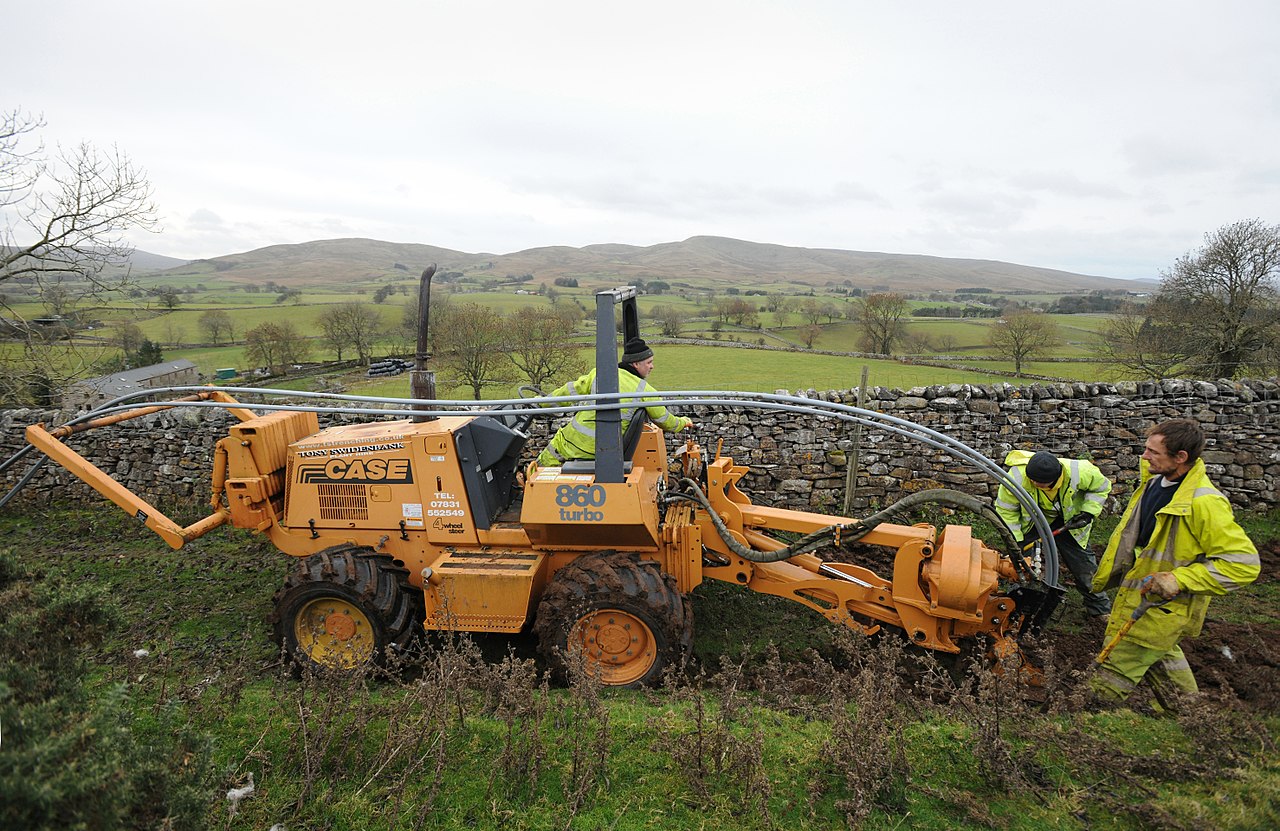
The North contains some of England's most prominent upland and coastal landscapes. The Lake District in Cumbria and the Pennines form mountains and moorlands, with lakes, valleys and high passes. Along the coast there are cliffs, estuaries and long beaches. The climate is temperate maritime, with generally cooler temperatures and higher rainfall in upland areas than in the lowlands; local conditions change with elevation and proximity to the sea.
Cities and economy
Major urban centres include Leeds, Liverpool, Manchester, Sheffield and the cities of the northeast such as Newcastle. These cities grew rapidly from the 18th century onwards as commerce, textiles, shipbuilding, coal and engineering industries expanded. The region was central to the Industrial Revolution, which transformed local economies and society. From the late 20th century many traditional industries declined; the contemporary economy is diverse, combining advanced manufacturing, services, digital and creative industries, education and tourism.
History and development
Northern England has deep historical roots. It was an important frontier during relations with Scotland and the scene of periodic medieval conflicts. Roman activity left military sites and roads, while Viking and later medieval settlements influenced place-names and local law. Industrialisation from the 18th century reshaped towns, transport networks and demographics. The later 20th century saw deindustrialisation and economic restructuring, which continue to influence debate about regional inequality and policy.
Culture, identity and language
The North is noted for strong local identities, traditions and civic pride. Cultural life includes distinctive musical traditions, festivals, theatre and locally rooted sports loyalties. Cuisine emphasises hearty, regional dishes and local specialities. Varieties of English speech in the region form a recognised group of northern dialects; accents and vocabulary differ substantially across counties and towns, and readers can find introductions at resources on northern dialects.
Transport and connectivity
The region is linked internally and to the rest of the country by a network of railways, major roads and ports. Historic canals and railways were important in industrial times and many urban areas remain transport hubs. Connectivity varies: some cities and corridors are highly connected, while remote upland or coastal communities have fewer transport options.
Administration, definitions and politics
Definitions of the North may be administrative, historic or cultural. Governmental statistics sometimes use regions with set boundaries, while local usage often follows county identities or economic areas. The region plays a significant role in national politics and public policy debates, including discussions about investment, regional development and infrastructure.
Tourism and natural heritage
Tourism is important across the North, with national parks, coastal resorts and historic towns attracting visitors. The Lake District, parts of the Yorkshire Dales and Northumberland are valued for scenery, outdoor recreation and heritage. Conservation efforts balance visitor use with protection of landscapes, wildlife and historic sites.
Further reading and resources
For general overviews and local detail see regional summaries and county pages such as England overview and county articles on Cheshire, Cumbria, County Durham, Lancashire, Northumberland, Westmorland, Yorkshire and Lincolnshire. City histories and guides are available for Leeds, Liverpool, Manchester, Sheffield, and for studies of the Industrial Revolution. For language and dialect information consult specialist resources on northern dialects.
Related articles
Author
AlegsaOnline.com Northern England: geography, history, cities and culture Leandro Alegsa
URL: https://en.alegsaonline.com/art/71018