
Mid-Atlantic States (United States)
Region of the U.S. Northeast defined by the Census Bureau as New York, New Jersey and Pennsylvania; a densely populated, historically industrial corridor anchoring the BosWash megalopolis.
Overview
The Mid-Atlantic States are a commonly referenced region of the Northeastern United States. In official U.S. statistical geography the area is defined by the U.S. Census Bureau as one of nine geographic divisions and consists of three states: New York, New Jersey, and Pennsylvania. This definition corresponds to the coastal section of the Atlantic Seaboard that lies between New England and the traditional South, though popular usage sometimes expands or shifts the region's boundaries.
Image gallery
10 Images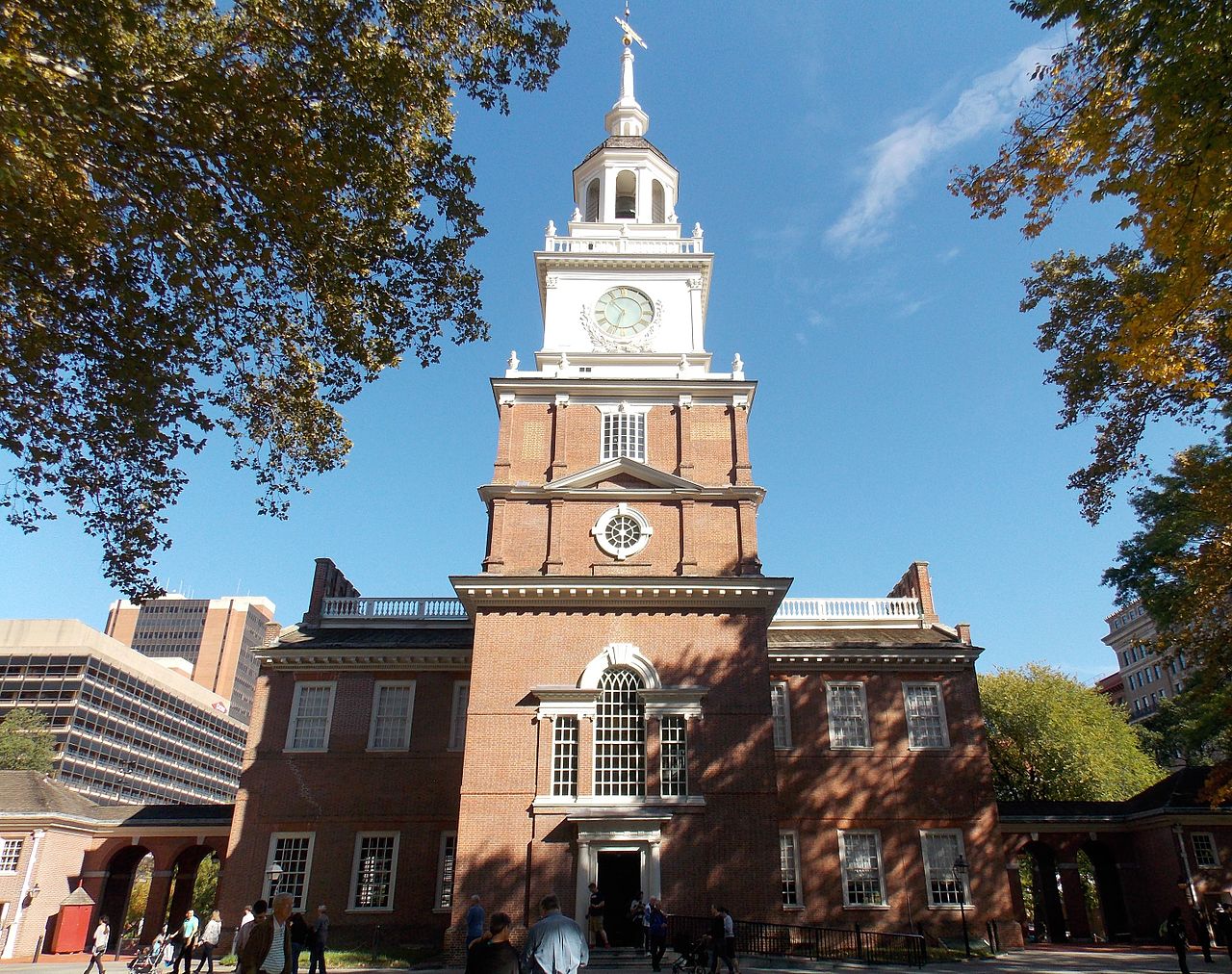







Geography and components
The formal Mid-Atlantic division occupies diverse terrain: coastal plains and estuaries along the Atlantic, dense urban and suburban corridors, river valleys, and upland plateaus inland. It borders other Northeastern divisions and serves as a transitional band between northern and southern cultural and climatic zones. Some sources and everyday speech extend the Mid-Atlantic label to nearby states such as Delaware and Maryland, reflecting economic and historical ties rather than strict administrative lines.
History and development
Historically the region was shaped early by European colonization, trade, and migration. Major ports and waterways fostered commerce and immigration, while abundant natural resources and infrastructure supported industrial growth in the 18th–20th centuries. Over time parts of the region became associated with heavy industry and manufacturing, leading analysts to contrast the dense urban corridor with inland areas sometimes grouped with the Rust Belt. Cultural and political thinkers have described a contiguous metropolitan belt running from Boston through New York City to Washington, D.C., a pattern often called the BosWash megalopolis or simply Metropolis in some studies.
Urbanization, economy and importance
The Mid-Atlantic contains some of the nation's largest and most economically active metropolitan areas. Financial services, international trade through major ports and airports, higher education, technology, health care, and cultural industries are significant economic drivers. Its dense transportation network and proximity to national political institutions add to the region's national influence. Urban-suburban patterns vary from the high-density cores of cities to sprawling commuter suburbs that developed with 20th-century transit and highway expansion.
Culture, demographics and examples
Culturally the region is notable for ethnic and linguistic diversity brought by successive waves of immigration, a wide spectrum of religious and social communities, and a mix of urban, suburban, and rural lifestyles. Prominent cities and centers illustrate this diversity: New York City, Philadelphia, Newark and the surrounding suburbs form hubs of media, finance, and education. The southeastern parts of New York and eastern Pennsylvania are often discussed together with New Jersey when identifying the core urban network.
Definitions and notable distinctions
Different disciplines and sources use slightly different boundaries for the Mid-Atlantic. Governmental and statistical definitions emphasize specific states for census and planning purposes, while cultural, economic or historical accounts may add neighboring jurisdictions such as Delaware or Maryland to reflect local ties. Some commentators and studies, including older regional books and analyses by figures such as James Patterson and others, have mapped social or political regions that overlap the Mid-Atlantic in varied ways; one noted treatment from 1991 examined the idea of a contiguous metropolitan culture extending into adjacent states and suburbs such as Connecticut.
Further reading and resources
- For official geographic definitions see the nine U.S. geographic divisions and the Census Bureau materials.
- Popular and historical treatments of regional identity and urban development discuss the BosWash corridor and its social geography; search for works on the Metropolis concept and regional studies.
- General interest articles and state-focused guides provide practical information on major cities, transportation corridors, and cultural institutions across the Mid-Atlantic region; consult curated local resources for specific topics.
Region overview • Northeast context • Atlantic Seaboard • New Jersey • New York • Pennsylvania • Southern contrast • New York City
Related articles
Author
AlegsaOnline.com Mid-Atlantic States (United States) Leandro Alegsa
URL: https://en.alegsaonline.com/art/64647