
Northern Canada: geography, peoples, history and contemporary issues
An overview of Northern Canada — its territories, landscapes, Indigenous peoples, climate, economy, governance and contemporary challenges including climate change and Arctic sovereignty.
Overview
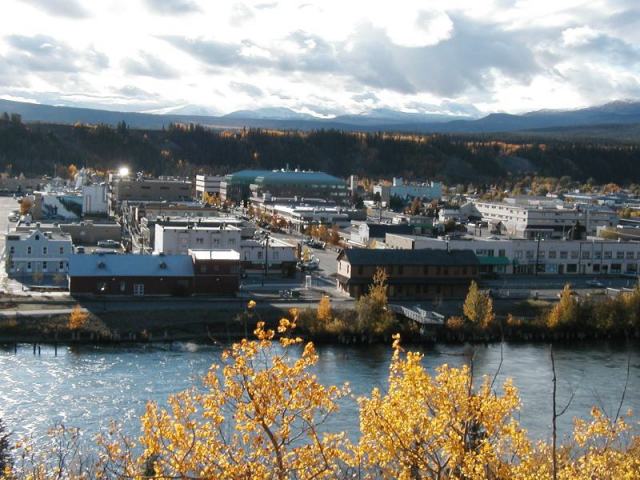
Northern Canada, often called the North, denotes the country's vast Arctic and sub‑Arctic regions. The core of the term comprises Canada’s three territories: Yukon, the Northwest Territories and Nunavut. The designation sometimes extends to remote northern parts of provinces such as Northern Labrador and northern Quebec. These lands span island archipelagos, coastal plains, mountain ranges and extensive boreal and tundra zones and are marked by extreme seasonal variations in daylight and temperature.
Image gallery
9 Images


Landscape and environment
The region features continuous and discontinuous permafrost, seasonal sea ice and short growing seasons that constrain ecosystems and human infrastructure. Vegetation transitions from treeless tundra near the Arctic Ocean to coniferous forest in sub‑Arctic areas. Wildlife adapted to cold environments includes caribou, Arctic fox, polar bear, seals and migratory seabirds. Climate change is one of the most pressing environmental issues: rising temperatures affect sea ice, thaw permafrost, alter freshwater systems and shift species distributions, with consequences for local ways of life and for global climate feedbacks.
People, languages and culture
Indigenous peoples are central to Northern Canada’s identity and governance. Inuit predominate in the high Arctic; many First Nations inhabit sub‑Arctic and boreal regions; Métis communities have distinct cultural and historical presences. Traditional livelihoods—hunting, fishing and harvesting—continue alongside wage employment. A plurality of Indigenous languages, including Inuktitut and other Inuit dialects, Dene languages and Cree, are actively used alongside English and French. Oral histories, land‑based knowledge and arts such as carving and printmaking remain vital.
Governance, economy and law
The three territories differ from provinces in constitutional status and often receive more federal support, but have been gaining powers through devolution and modern land‑claim agreements that recognize Indigenous rights and self‑government. Local governments, Indigenous authorities and federal institutions share responsibilities for health, education and resource management. Economies combine resource development (mining, and in some areas oil and gas), fisheries, public administration, renewable initiatives and tourism. High costs of living and transportation, housing shortages and the challenges of building on permafrost influence economic decisions.
Infrastructure and transport
Many communities are accessible only by air or seasonal sea lift; a limited road network connects some population centres. Winter ice roads, local ports and regional airports are essential for supplies. Telecommunications and internet access have expanded but can be uneven. Energy systems range from diesel generation to increasing interest in renewable options adapted to remote conditions.
History and contemporary challenges
The region has long histories of Indigenous habitation, trade networks and seasonal mobility. Contact with European explorers and traders brought new goods and profound change, followed by twentieth‑century federal policies that affected settlement patterns and governance. Contemporary issues include climate impacts, food security, housing and health disparities, cultural revitalization, and questions surrounding Arctic sovereignty and international shipping as sea ice patterns change. Scientific research, community adaptation and negotiated agreements shape responses to these challenges.
Research, conservation and future directions
Research in the North covers climate science, ecology, health, and Indigenous knowledge systems, often led as partnerships between northern communities, universities and governments. Conservation efforts aim to protect sensitive habitats and migratory routes while balancing community needs and economic development. Many northern people and institutions advocate for locally driven development, resilience to environmental change and recognition of Indigenous jurisdiction.
Notable distinctions
- Administrative: Territories have different legal frameworks and federal relationships than provinces.
- Environmental: Permafrost and seasonal sea ice create unique engineering and ecological challenges.
- Cultural: Indigenous governance, languages and land‑claim agreements play a central role.
For regional information and official resources see the general northern region overview and national context in Canada. Territorial portals and local institutions provide details about Yukon, the Northwest Territories and Nunavut, and there are focused studies on communities in Northern Labrador.
Related articles
Author
AlegsaOnline.com Northern Canada: geography, peoples, history and contemporary issues Leandro Alegsa
URL: https://en.alegsaonline.com/art/71009