
New England: geography, history, culture, and economy of a U.S. region
New England is a six-state region in the northeastern United States known for its colonial history, distinct seasons, coastal and mountain landscapes, higher education, and regional identity.
Overview
New England is the northeasternmost region of the United States, composed of six states: Maine, Vermont, New Hampshire, Massachusetts, Connecticut, and Rhode Island. It lies within the broader Northeastern United States and is often identified as a distinct cultural and historical region. New England combines coastal lowlands, bays and inlets, and interior uplands and mountains; its compact geography concentrates population, institutions, and economic activity while preserving large rural and wilderness areas.

Image gallery
10 Images








Geography and climate
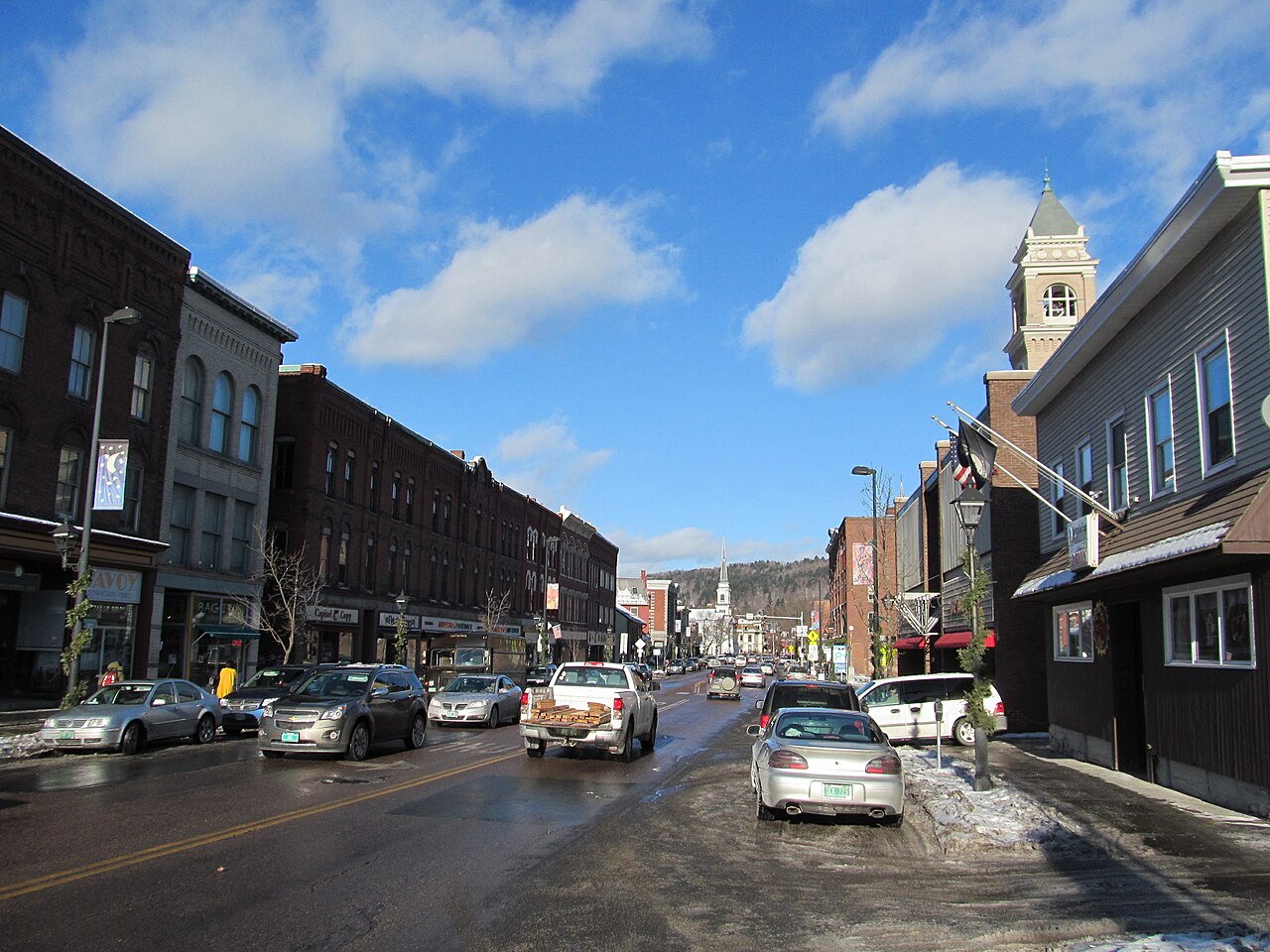
The region stretches from the rocky Atlantic coast and lobster grounds of the Gulf of Maine to the forested Green Mountains and the White Mountains. Summers are typically warm and humid along the coast and milder inland; winters are cold with significant snowfall in higher elevations. Fall foliage is a well-known seasonal attraction. Major geographic features include Cape Cod, the Connecticut River valley, and extensive coastal estuaries that support fisheries and maritime commerce.

History and development
Indigenous peoples lived throughout the area for millennia before European contact. English exploration and settlement began in the early 17th century; the name "New England" was popularized in 1616 by the English explorer John Smith and used by subsequent colonists from England. The New England colonies played a central role in colonial self-government, the shipping and whaling trades, and the early phases of the Industrial Revolution in America. Town-based local government, a strong emphasis on education, and a tradition of maritime enterprise shaped the region's institutions.

States and major cities
The six states each have distinct characters but share many social and economic ties. Capitals and well-known cities include:
- Maine — capital: Augusta; largest city: Portland.
- Vermont — capital: Montpelier; largest city: Burlington.
- New Hampshire — capital: Concord; largest city: Manchester.
- Massachusetts — capital and largest city: Boston.
- Connecticut — capital: Hartford; other centers include New Haven.
- Rhode Island — capital and largest city: Providence.

Economy, institutions, and culture
New England's economy blends traditional industries — fishing, forestry, small-scale agriculture (including maple syrup production), and manufacturing — with modern sectors such as higher education, healthcare, biotechnology, finance, and technology. The region hosts several prominent colleges and universities that attract students and research funding. Cultural life emphasizes historical preservation, seasonal festivals, and regional foods (e.g., seafood and dairy specialties). Urban centers are economic and cultural hubs, while rural areas support tourism, outdoor recreation, and specialty agriculture.

Identity and significance
New England retains a distinct regional identity shaped by its colonial origins, town-based civic traditions, and literary and intellectual heritage. It was a focal point of the American Revolution and later innovation during industrialization. Today the region is known for its historic towns, varied landscapes, highly regarded educational institutions, and strong local traditions—factors that make it economically and culturally influential relative to its size. For further reading on the region’s geography, history, and contemporary issues, see regional overviews and state resources. 
Related articles
Author
AlegsaOnline.com New England: geography, history, culture, and economy of a U.S. region Leandro Alegsa
URL: https://en.alegsaonline.com/art/69508