
Boston, Massachusetts: Overview, History and Significance
Capital and largest city of Massachusetts, Boston is a historic American port, a center for higher education, medicine, finance and culture, and a key site in the nation's Revolutionary history.
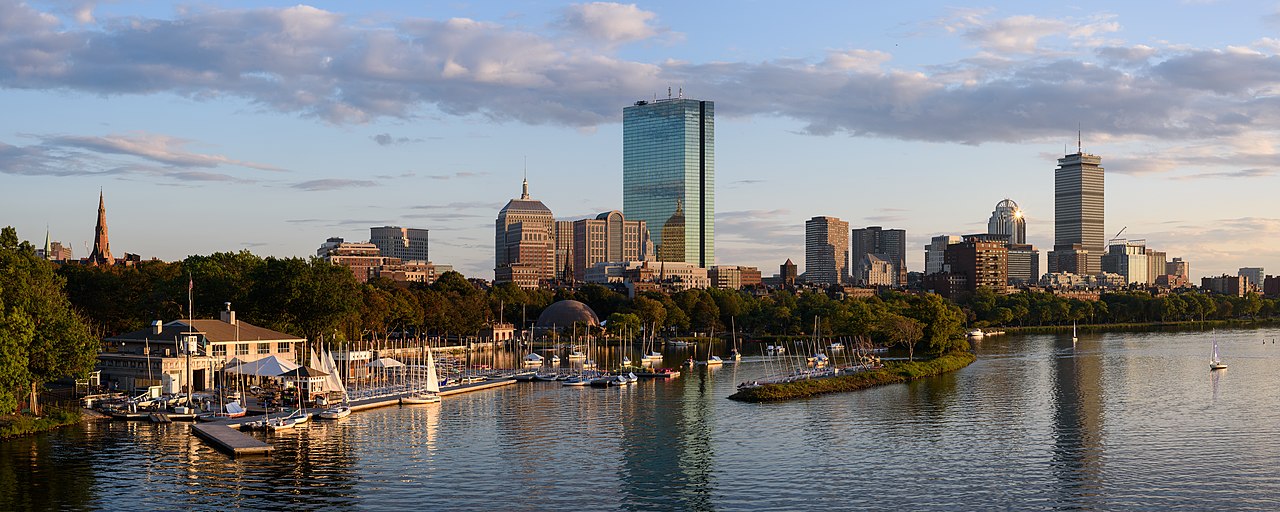
Boston is the capital and largest city of the Commonwealth of Massachusetts and one of the principal cities of the United States. Situated around a protected harbor and the mouth of the Charles River, Boston developed as a commercial port and grew into a regional hub for government, education, medicine and the arts. Its mix of colonial-era buildings and modern neighborhoods reflects centuries of continuous urban life.
Image gallery
10 Images







Origins and historical importance
The city traces its formal founding to 1630, when Puritan settlers from England established a community that became central to Massachusetts Bay Colony. In the 18th century Boston was the scene of major events leading to the American Revolution, including protests, clashes and political organizing that helped shape the new nation. Remnants of that period are highlighted along the city's well-known Freedom Trail.
Geography and neighborhoods
Boston occupies a compact area of peninsulas and reclaimed land divided into distinct neighborhoods such as Back Bay, Beacon Hill, the North End and South Boston. Its waterfront, parks such as Boston Common and the linear Charles River Esplanade are important public spaces. The city's layout combines narrow, historic streets with planned 19th-century avenues and modern redevelopment zones.
Institutions, economy and innovation
Boston is internationally recognized for higher education and research. Prominent universities and hospitals create a strong knowledge economy that supports biotechnology, medicine, finance and technology startups. Notable institutions and landmarks include:
- Major universities and research centers (local and nearby)
- World-class hospitals and medical research facilities
- Historic sites and museums that shape its cultural identity
These strengths make the city a magnet for students, professionals and visitors, fostering economic activity across sectors.
Culture, sports and transportation
Boston's cultural scene blends performing arts, museums, music venues and festivals. Sports are central to the city's identity—professional teams and collegiate rivalries attract passionate local and national followings. Public transit and regional connections are provided by the MBTA rail and bus network, and Logan International Airport links the city to domestic and international destinations.
Boston's historical legacy and its contemporary role in education, health care and innovation contribute to its reputation as a culturally significant American city. For further general information about the city's cultural institutions and attractions, see cultural resources.
Questions and answers
Q: What is Boston?
A: Boston is the largest city of Massachusetts in the United States.
Q: When was Boston founded?
A: Boston was founded in 1630.
Q: What is the significance of Boston?
A: Boston is one of the oldest, richest and most culturally important cities in the United States.
Q: Which state is Boston located in?
A: Boston is located in Massachusetts.
Q: What is the population of Boston?
A: The population of Boston is around 694,000.
Q: What are some of the cultural attractions in Boston?
A: Some of the cultural attractions in Boston include the Freedom Trail, the Boston Tea Party Ships & Museum, and the Museum of Fine Arts.
Q: What are some of the industries that Boston is known for?
A: Boston is known for industries such as education, healthcare, technology, and finance.
Related articles
Author
AlegsaOnline.com Boston, Massachusetts: Overview, History and Significance Leandro Alegsa
URL: https://en.alegsaonline.com/art/13232