
Nor'easter (Northeaster): Coastal Storms of the U.S. East Coast
Nor'easters are extratropical cyclones that form off North America's East Coast, bringing strong northeast winds, heavy precipitation, coastal flooding, and erosion—most often in late fall to early spring.
Overview
A nor'easter (or northeaster) is a powerful cyclonic storm that develops near the Atlantic coast of North America and affects the eastern seaboard. The name reflects the characteristic onshore winds from the northeast that occur near the storm's center. In common usage a nor'easter can refer to large, organized low pressure systems that produce extended periods of strong winds, heavy precipitation, and dangerous coastal conditions. Modern descriptions of these systems are available from meteorological agencies and educational resources such as storm guides and regional weather services for the East Coast.
Image gallery
6 Images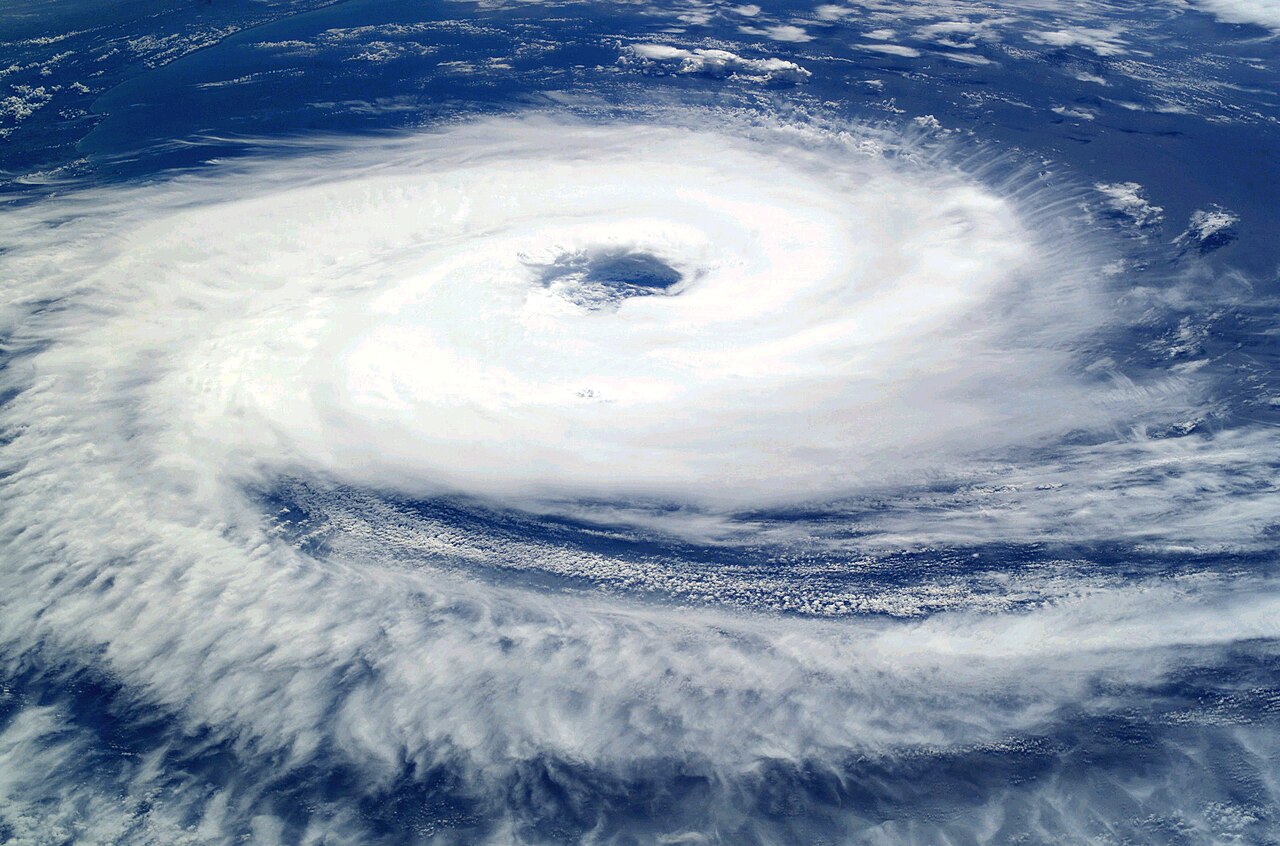


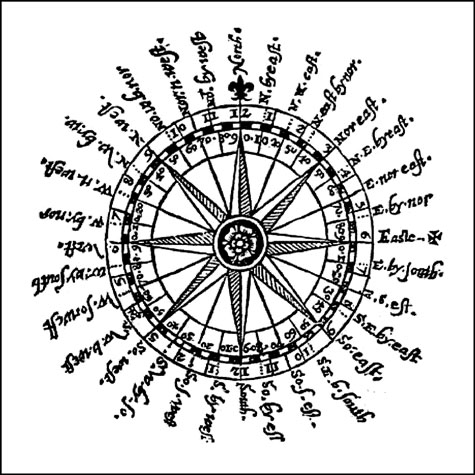
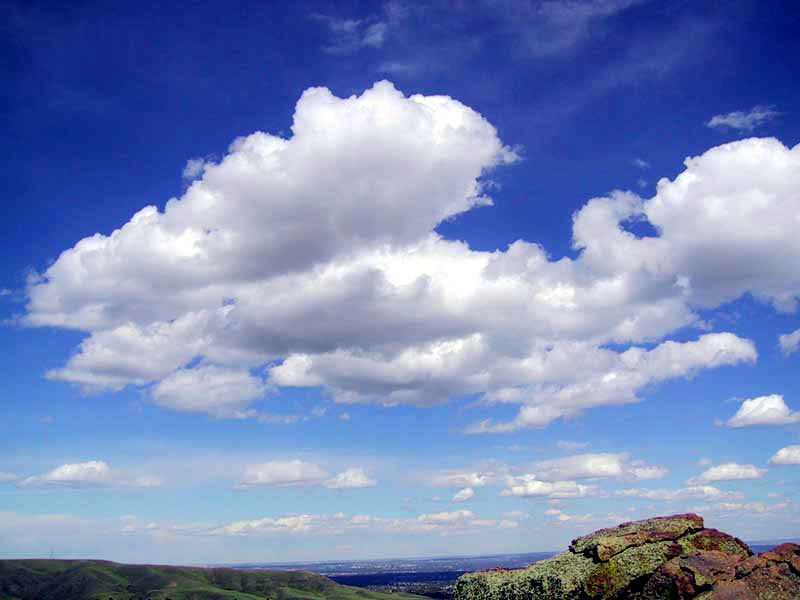
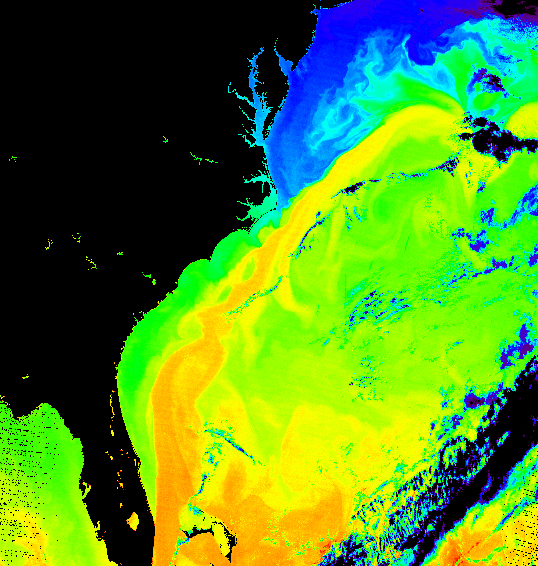
Formation and meteorological characteristics
Nor'easters are extratropical cyclones: they form along strong temperature contrasts between cold continental air and relatively warm ocean water. These storms typically form just offshore when a low pressure center intensifies and its circulation draws colder air southward while tapping moisture from the Atlantic. The hallmark is a circulation that brings northeast winds onto coastal areas as the system's forward quadrant moves parallel to the shoreline. Meteorologists track associated features such as northeast flow, the position of the low pressure center, and the arrangement of frontal boundaries like warm, cold, and occluded fronts.
Typical impacts
Impacts from nor'easters range with season and storm strength but commonly include:
- Heavy precipitation — rain along warmer coastal zones and heavy snow inland where cold air is present; precipitation patterns often resemble other mid-latitude cyclones but can persist for many hours. See technical discussions about precipitation.
- Strong winds — sustained gale to hurricane-force gusts that blow from the northeast near the coast, increasing wave heights and structural stress; consult wind analyses at wind data.
- Coastal flooding and erosion — storm surge and large waves can inundate shorelines and damage dunes, infrastructure, and properties; emergency guidance is provided by regional agencies linked from coastal resources.
- Cold outbreaks — in winter, nor'easters often transport very cold polar air southward behind the system, increasing hazards related to exposure and transportation; background on air masses is described at air mass resources.
Seasonality, geography, and typical track
Nor'easters can occur year-round but are most notorious from late fall through early spring. They frequently develop between roughly 30° and 40° north latitude and intensify when they move near the warm waters of the Gulf Stream, which supplies heat and moisture. Regions commonly affected include the U.S. Mid-Atlantic and New England coasts and Atlantic Canada. Forecasters emphasize the role of converging air masses — cold continental or Arctic air meeting warmer maritime air — an interaction explained in many meteorology primers such as convergence guides and studies on oceanic influence.
Forecasting, warnings, and preparedness
Weather services issue a range of alerts for nor'easters: gale warnings, storm warnings, winter storm advisories, and coastal flood watches. Forecasting uses observations, satellite imagery, and numerical weather prediction to predict the track and intensity; situational briefings and public advisories are available from national and regional centers and educational portals like forecast centers and safety guides. Preparations for residents often include securing property, planning travel limitations, and having supplies during power outages or disrupted services; community resources regularly point to preparedness checklists at preparedness pages.
Historical context and notable differences
Nor'easters have long shaped the climatology and coastal infrastructure of the Northeast United States and Atlantic Canada. While not tropical cyclones, the strongest nor'easters can rival hurricanes in terms of coastal impact through prolonged winds and surge. Distinctive features that set them apart include their extratropical energy sources, association with mid-latitude frontal systems, and reliance on ocean-atmosphere contrasts rather than tropical heat engines. For further reading see educational summaries and case studies at case study resources and comparative discussions at storm comparison.
Related articles
Author
AlegsaOnline.com Nor'easter (Northeaster): Coastal Storms of the U.S. East Coast Leandro Alegsa
URL: https://en.alegsaonline.com/art/70690
Sources
- mcwar.org : "Nor'easters: Comprehension, preparation, survival"