
Nyamuragira: Shield Volcano and One of Africa's Most Active Volcanoes
Nyamuragira, a 3,058 m shield volcano in eastern DRC, is among Africa’s most active—frequently producing effusive basaltic eruptions and widespread lava flows that reshape surrounding landscapes and pose local hazards.
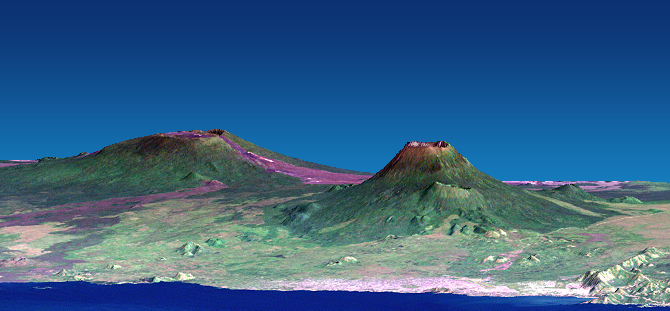
Nyamuragira is a volcanic mountain reaching 3,058 metres (10,033 ft) in the eastern Democratic Republic of the Congo. It is a broad, low-profile shield volcano and is regarded as one of the most active volcanoes in Africa.
Image gallery
6 Images



Overview
Nyamuragira (sometimes spelled Nyamulagira) sits within the uplands of eastern Congo and forms part of a larger volcanic zone in the region. Its eruptions are typically effusive, producing extensive lava flows that build and reshape the volcano's wide slopes rather than producing tall, explosive ash columns.
Quick facts
- Elevation: 3,058 m (10,033 ft)
- Volcano type: shield volcano
- Location: eastern Democratic Republic of the Congo
- Name: commonly translated as “Herd of Cows”
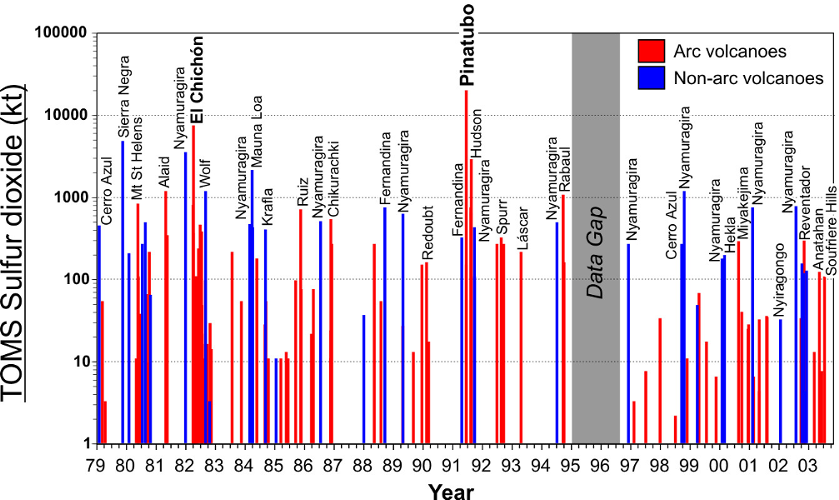
- Activity: among the most active volcanic centres in Africa
Activity and hazards
Nyamuragira’s eruptions tend to produce fluid basaltic lava that can travel long distances, forming broad lava fields and altering nearby landscapes. Because of its frequent activity, the volcano is an important subject for volcanic monitoring in the region. Lava flows can threaten local infrastructure and ecosystems, although eruption styles are generally less explosive than those of steep stratovolcanoes.
Name
The volcano’s name is commonly rendered as “Herd of Cows.” This translation appears in many descriptions and maps, reflecting local naming traditions.
Related articles
Author
AlegsaOnline.com Nyamuragira: Shield Volcano and One of Africa's Most Active Volcanoes Leandro Alegsa
URL: https://en.alegsaonline.com/art/71533
Sources
- volcano.si.edu : "Nyamuragira"
- peakbagger.com : "Nyamulagira, Congo DRC"
- africangorilla.com : "Mount Nyamuragira Congo: Facts, Elevation & Location"
- volcanodiscovery.com : "Nyamuragira"
- doi.org : 10.1016/j.jafrearsci.2010.07.005