
Warm front (meteorology)
A warm front is the advancing boundary where warmer air replaces cooler air, producing a characteristic cloud progression, gradual temperature rise and often prolonged precipitation.
Overview
A warm front is the boundary at the leading edge of a warmer air mass advancing into cooler air. The warmer, less dense air rides up over the colder, denser air ahead, causing widespread, gentle ascent rather than an abrupt uplift. This gradual lifting changes temperature, humidity and cloud patterns over a broad area; see warmer air mass for background.
Image gallery
3 Images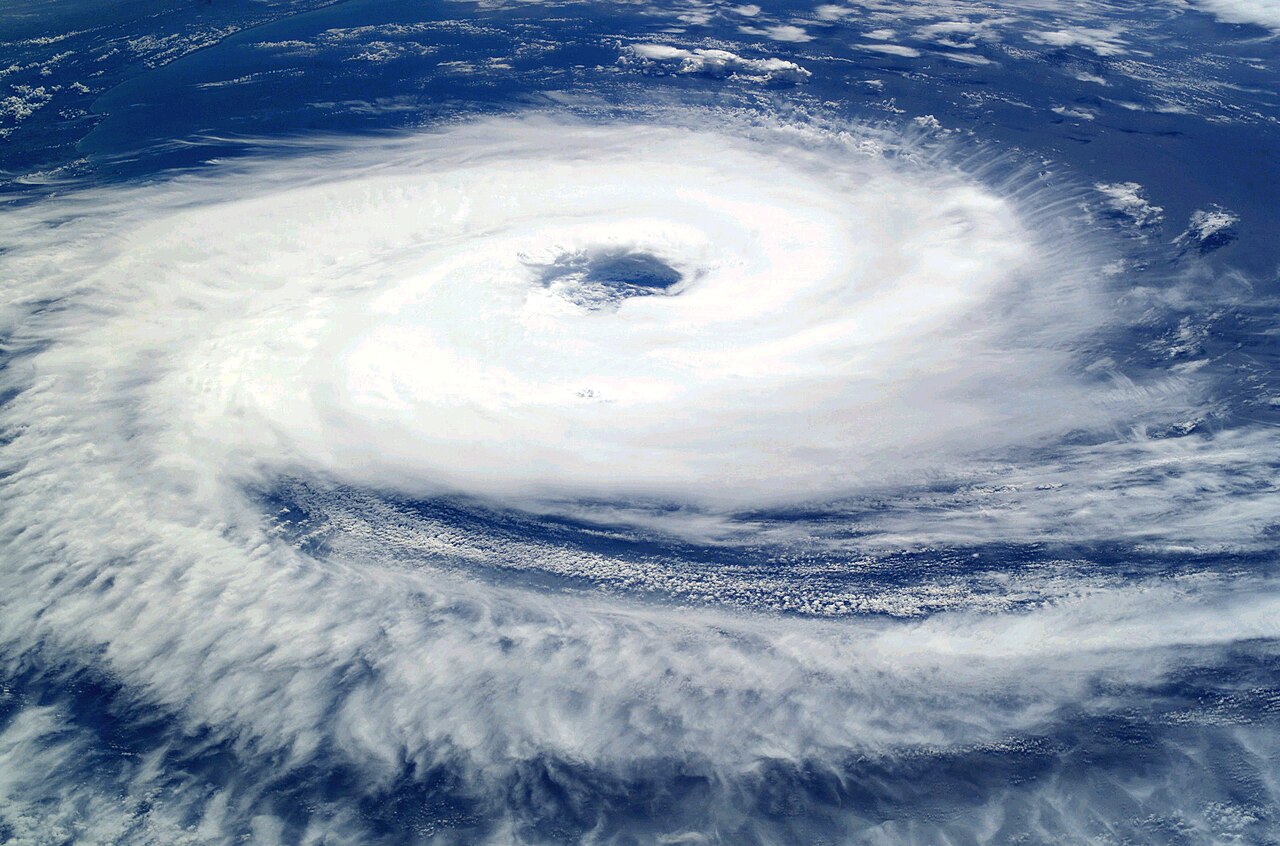


Clouds and precipitation
Because ascent is generally slow and layered, a typical progression of cloud types develops ahead of a warm front: high, wispy cirrus often appears first, followed by thicker altostratus and widespread low layers such as stratus. When moisture and lift are sufficient, widespread nimbostratus produce steady precipitation. Occasionally localized convection produces cumulus or even cumulonimbus clouds. Precipitation associated with warm fronts commonly falls as rain or snow, and near the front light drizzle is frequent.
Formation and movement
Warm fronts form where a warm air mass advances toward and overrides a cooler air mass. The frontal surface is usually shallow and inclined, so rising motion is distributed over many kilometers. Because the slope is gentle, warm fronts generally progress more slowly than cold fronts, and their associated weather can affect a given location for an extended period.
Weather map and identification
Meteorological charts depict warm fronts with a solid red line marked by red semicircles pointing in the direction of motion. This conventional symbol helps distinguish warm fronts from other boundaries on a weather map; the semicircle motif is illustrated by the red semicircles symbol.
Impacts and distinctions
When a warm front passes, observers often note a gradual rise in temperature and humidity, falling pressure, extended cloud cover and a tapering of steady precipitation as the warmer air fully replaces the colder air. Unlike a cold front, which can produce abrupt temperature changes and short-lived intense storms, a warm front tends to bring longer-duration, gentler precipitation and extensive cloudiness. Recognizing warm fronts is important for forecasting travel conditions, agriculture and aviation planning.
Related articles
Author
AlegsaOnline.com Warm front (meteorology) Leandro Alegsa
URL: https://en.alegsaonline.com/art/106550
Sources
- ww2010.atmos.uiuc.edu : Warm Front: transition zone from cold air to warm air
- ace.mmu.ac.uk : Warm Fronts
- usatoday.com : Warm fronts are not as nice as they sound