
Nuclear winter: causes, effects, history, and uncertainties
Nuclear winter is a hypothesized global climate disruption caused by soot and smoke from large-scale nuclear war, with potential cooling, agricultural collapse, and long-term environmental consequences.
Overview
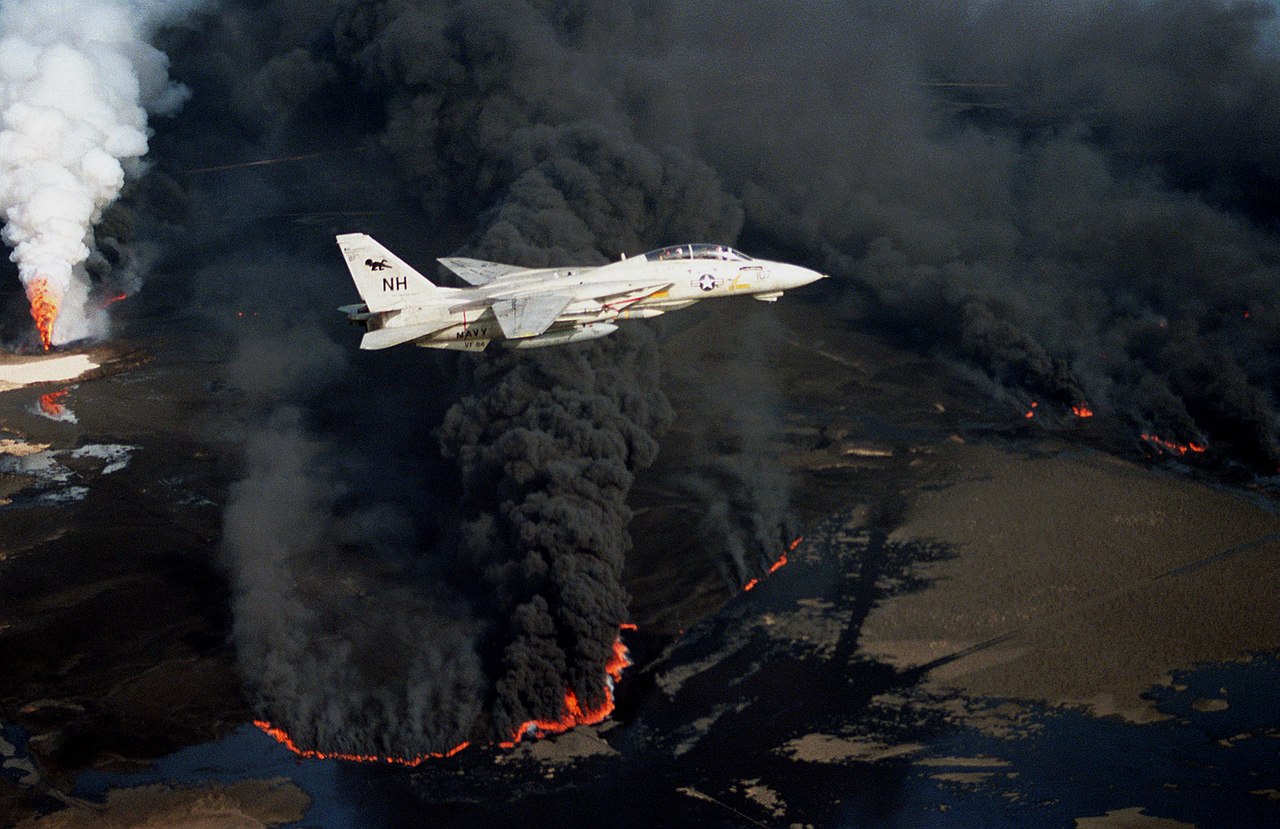
Nuclear winter refers to a hypothesized global climatic and ecological disruption that could follow a large-scale nuclear exchange. The idea is that intense fires ignited by detonations would generate vast quantities of smoke and soot, some of which could be injected high into the atmosphere and spread worldwide. That airborne particulate could reduce incoming sunlight, lower surface temperatures for months to years, and alter precipitation patterns, with major implications for food production and ecosystems.
Image gallery
10 Images




Mechanism and characteristics
The key physical factors are the amount and composition of particulate matter produced by firestorms, how high that material is lofted (troposphere versus stratosphere), and the efficiency of long-range transport. In the stratosphere, particles can persist for months to years because they are isolated from surface wet removal. Blocking or scattering sunlight leads to surface cooling while some atmospheric layers may warm. Secondary effects can include changes in atmospheric circulation, reduced evaporation, and possible impacts on ozone chemistry.
History of the concept and scientific work
The nuclear winter hypothesis emerged during the late Cold War as atmospheric scientists and policy analysts applied computer climate models to the problem. Early interdisciplinary studies used simplified radiative-transfer and circulation models; later work employed more sophisticated global climate models and satellite-derived data on smoke behavior. Scientific assessments have refined estimates but also emphasized large uncertainties tied to assumptions about targets, fuel loads, combustion efficiency, and how much soot reaches the upper atmosphere.
Potential impacts and examples
- Short-term: rapid cooling, reduced sunlight, and diminished photosynthesis.
- Medium-term: crop failures, food supply disruptions, and ecological stress on terrestrial and marine systems.
- Long-term: persistent climatic anomalies and socioeconomic destabilization that could follow a major exchange.
Uncertainties, debate and policy relevance
Estimates of severity vary. Some studies suggest dramatic global temperature drops after large urban firestorms; others find more moderate effects for smaller exchanges. Remaining uncertainties include soot production from modern cities, the role of fuel types, and regional variability. The possibility of severe global consequences has informed arms-control discussions and civil defense planning because even if direct blast casualties dominate, indirect environmental effects could multiply humanitarian impacts.
Further reading
Readers can consult summaries of early and modern research approaches in the scientific literature and policy reviews. See early assessments and interdisciplinary reviews at early studies, recent climate-model evaluations at climate modeling, research on smoke injection and transport at smoke and soot studies, and analyses of strategic implications at geopolitical concerns.
Related articles
Author
AlegsaOnline.com Nuclear winter: causes, effects, history, and uncertainties Leandro Alegsa
URL: https://en.alegsaonline.com/art/71377