
Air mass (meteorology)
A large body of air with fairly uniform temperature and humidity that forms over a source region and influences weather as it moves and interacts with other air masses.
Overview
An air mass is a large volume of the lower atmosphere that has relatively uniform thermal and moisture properties. It can extend over many hundreds to thousands of miles and tends to retain the character of the region where it formed. Scientists often describe an air mass by its dominant temperature and humidity characteristics and by the surface over which it originated.
Image gallery
4 Images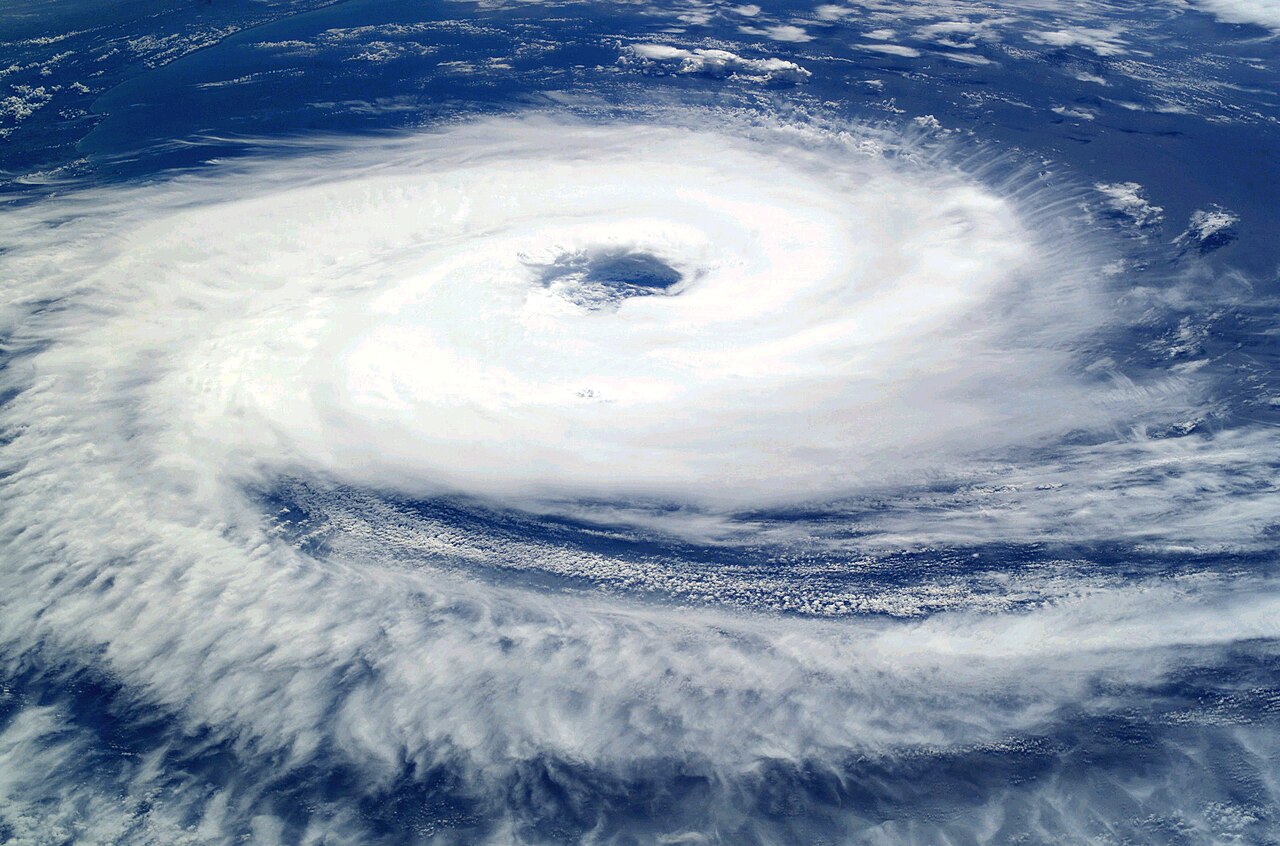


Key characteristics
Air masses are characterized by three main attributes: temperature, moisture content, and stability. Temperature is often tied to latitude; moisture is tied to whether the air mass formed over land or ocean. Observations and maps use measurements of temperature, humidity and other variables to identify and track them. The term volume of air highlights their three-dimensional extent.
Common classification
- Source region: continental (dry) vs maritime (moist).
- Temperature regime: polar/arctic (cold), temperate, tropical (warm).
- Special labels: arctic or polar for very cold outbreaks; tropical for warm, subtropical air.
These labels combine into types such as maritime tropical (mT) or continental polar (cP) in meteorological shorthand.
Formation, movement, and fronts
Air masses form over relatively uniform surfaces—oceans, ice fields, deserts—called source regions. As they move, they can modify or be modified by underlying surfaces. When two contrasting air masses meet, the boundary is called a front and often produces clouds and precipitation. Large-scale steering flows in the atmosphere control their movement and evolution, and their interactions are a primary driver of mid-latitude weather.
Impacts and examples
Air masses influence daily weather, seasonal patterns, and extreme events. A maritime tropical air mass arriving over a continent can bring humid, unstable air and thunderstorms; a continental polar mass can bring clear, cold conditions and, in winter, lead to cold snaps. Forecasters track them using surface observations, radiosondes and satellite-derived fields (observational networks).
Notable points and further reading
Air masses are central to synoptic meteorology and climate studies because they transport heat and moisture across regions. Distinctions such as spatial scale and origin (arctic vs polar) matter for impacts. For technical summaries and maps see introductory texts and meteorological services (moisture analyses, conceptual diagrams). Additional resources and datasets are available through weather agencies and textbooks (temperature-based classification, observational guides).
Tags
Related articles
Author
AlegsaOnline.com Air mass (meteorology) Leandro Alegsa
URL: https://en.alegsaonline.com/art/1636