
East Coast of the United States
The Atlantic coastline of the United States, often called the Eastern Seaboard, covering coastal states from Maine to Florida: geography, climate, history, economy, and cultural significance.
Overview
The East Coast of the United States refers to the long Atlantic shoreline that faces the Atlantic Ocean and forms the eastern boundary of the country. Common names for this region include the Eastern Seaboard and the Atlantic Seaboard. It is an area defined by its maritime exposure, historic port cities, dense population centers and a wide range of climates and landscapes from the subarctic in the north to the subtropical in the south. For basic geographic context see Atlantic coast.
Image gallery
10 Images


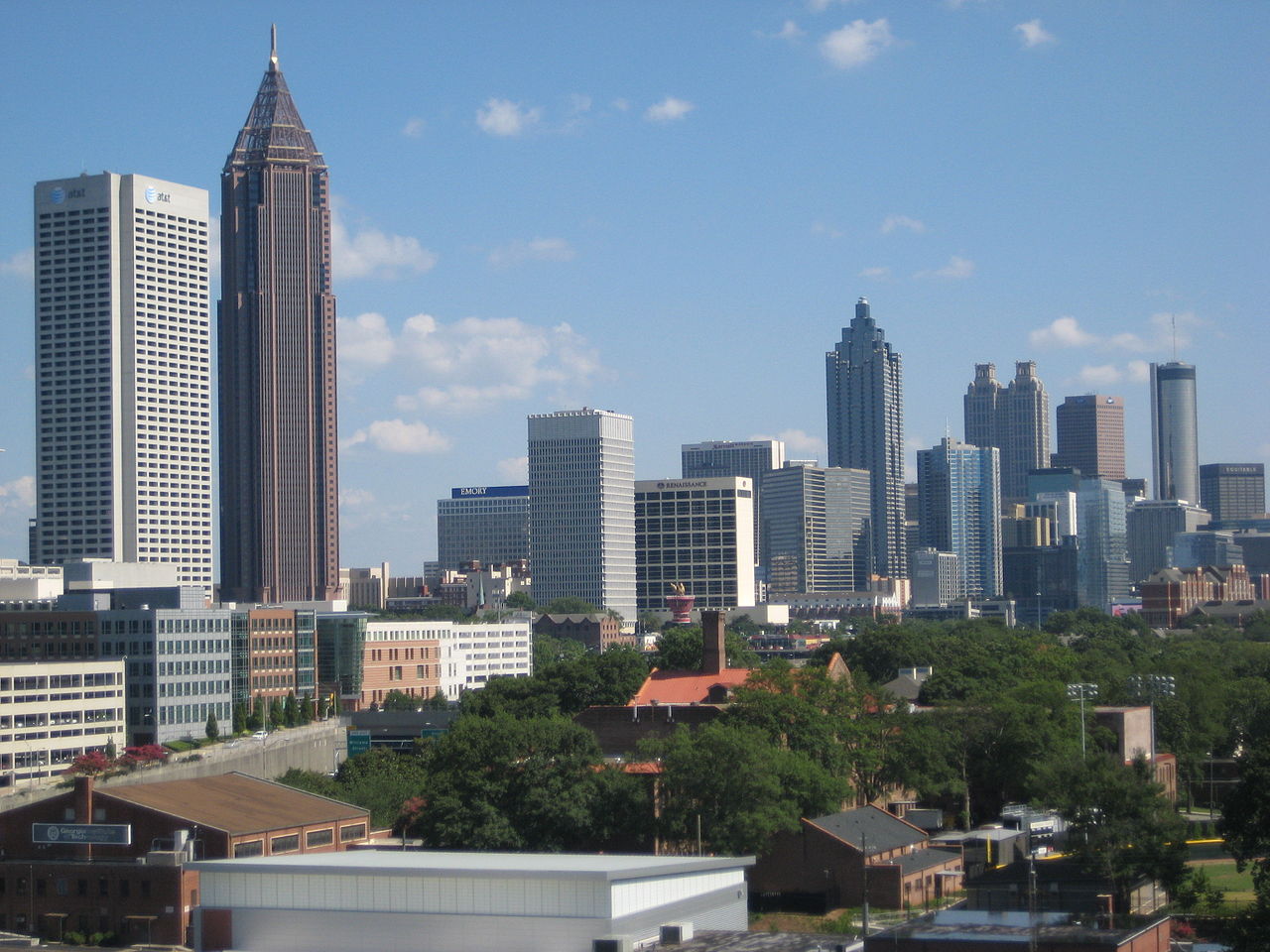
Geography and principal states
Stretching from the border with Canada in the northeast down to the tip of Florida, the East Coast includes states that touch the ocean directly as well as federal districts with coastal access. The term can be used narrowly to mean the Northeastern states or more broadly to include all states with Atlantic shoreline. For different definitions and maps consult regional outlines and historic lists of the original colonies at colonial era.
- Northern reaches: Maine, New Hampshire, Massachusetts.
- Mid-Atlantic: Rhode Island, Connecticut, New York, New Jersey, Pennsylvania (coastal state by estuary), Delaware, Maryland.
- Southern stretch: Virginia, North Carolina, South Carolina, Georgia, Florida and the District of Columbia.
Climate, ecosystems and coastal features
Coastal conditions vary from rocky headlands and cold-water fisheries in the northeast to sandy barrier islands, estuaries, salt marshes and mangroves farther south. Seasonal storms, including nor'easters and, in the southeast, tropical cyclones, shape shorelines and human settlement. Tide ranges, shelf width and ocean currents influence local climate and marine life — for further environmental context see oceanography resources and cross-border studies with Canada.
History and development
The East Coast has been the entry point for explorers, settlers and immigrants since European contact. Many of the original thirteen colonies lay along this seaboard and grew into early trade centers and political capitals. Urban growth, shipping, and manufacturing along the coast have left a dense pattern of ports, cities and transportation corridors. For cultural and historical perspectives refer to summaries of the Northeastern United States and compilations about the original states.
Economy, transport and culture
Major economic activities include international shipping, fishing, tourism, finance and technology concentrated in coastal metros. The region hosts major airports, interstate highways and rail lines that link ports and inland markets. Cultural influence is significant: literature, cuisine, architecture and higher education institutions along the coast have shaped national identity and continue to attract visitors and students; see resources on tourism in Florida and beyond and federal programs in Washington, D.C..
Notable distinctions
Usage of "East Coast" can be colloquial or technical: some people mean only the Northeast while others include all Atlantic-bordering states. The coastline is a dynamic zone of ecological importance, economic activity and cultural exchange, and it remains critical to national infrastructure and environmental planning.
Related articles
Author
AlegsaOnline.com East Coast of the United States Leandro Alegsa
URL: https://en.alegsaonline.com/art/29630