
Atlantic Canada (the Atlantic provinces of Canada)
The eastern Canadian region of four provinces—Nova Scotia, New Brunswick, Prince Edward Island and Newfoundland and Labrador—known for its maritime culture, coastal geography and fisheries.
Overview
Atlantic Canada, often called the Atlantic provinces, refers to the eastern region of Canada on the Atlantic coast. It comprises four provinces: New Brunswick, Nova Scotia, Prince Edward Island and Newfoundland and Labrador. The term emphasizes the common coastal geography, maritime climate and shared economic traditions of these provinces. The region as a whole is sometimes described simply as the Atlantic part of Canada along the Atlantic coast.
Image gallery
5 Images


Geography and environment
Landscape in Atlantic Canada ranges from low, fertile river valleys and rolling farmland on the islands and peninsulas to rugged headlands and fjords in eastern Newfoundland and Labrador. The long coastline supports extensive estuaries, bays and islands. The climate is moderated by the Atlantic Ocean, producing milder winters than inland areas at similar latitudes but also frequent fog, storms and nor'easters. Coastal ecosystems include productive fisheries, salt marshes and boreal forest at higher latitudes.
Provinces and population
- New Brunswick — a bilingual province with both English and French communities (one of the four provinces).
- Nova Scotia — contains the provincial capital Halifax and extensive coastal settlements.
- Prince Edward Island — the smallest province by area, known for agriculture and tourism.
- Newfoundland and Labrador — the easternmost member, with a unique cultural history tied to fisheries.
Collectively the Atlantic provinces have a population numbering in the low millions; historical estimates and census summaries provide more precise counts (population sources, archived records are sometimes cited via archived references).
History and identity
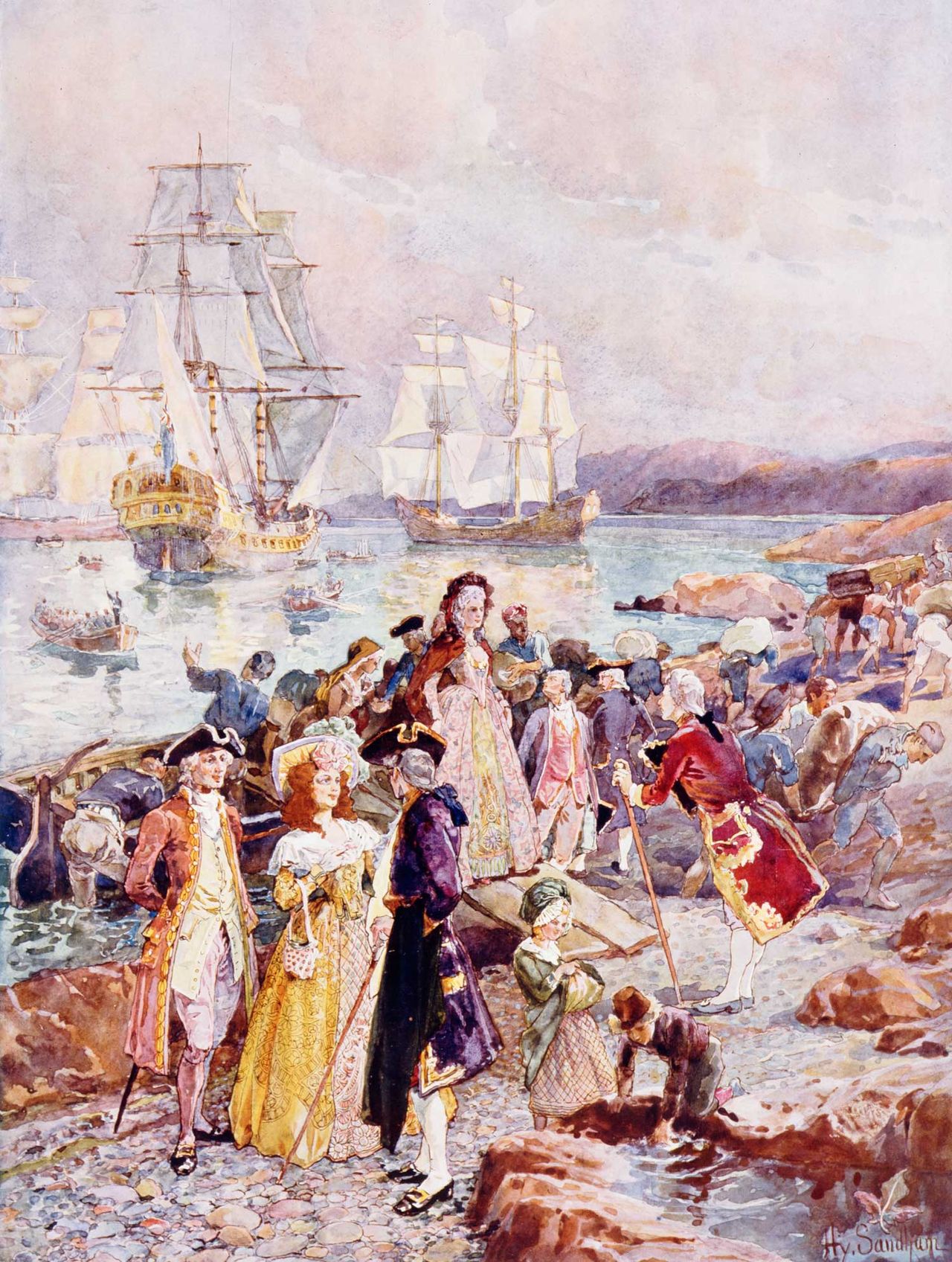
Settlement and development in Atlantic Canada were shaped by Indigenous nations, European colonization, shipbuilding, fishing and maritime trade. The constitutional history differs by province: Nova Scotia and New Brunswick were among the original provinces at Confederation in 1867, Prince Edward Island joined later, and Newfoundland and Labrador became part of Canada in the mid-20th century. These different entry dates and economic foundations contribute to distinctive provincial identities while maritime culture—music, dialects, cuisine, and community ties—remains a unifying feature.
Economy, culture and modern importance
Traditional economic activities include commercial fishing, shipbuilding, forestry and agriculture. In recent decades the regional economy has diversified with energy development, aquaculture, tourism and public-sector services. Urban centres such as Halifax serve as hubs for education, health care and transportation within the region. Cultural life in Atlantic Canada is notable for folk music, festivals, storytelling and a strong sense of local community.
Distinctions and contemporary issues
Atlantic Canada is frequently distinguished from central and western provinces by its coastal character, lower population density and economic reliance on marine and rural industries. Contemporary challenges include outmigration of young people, the need to adapt traditional industries to environmental and market changes, and efforts to balance development with conservation. Regional cooperation and interprovincial organizations aim to address shared priorities across the four provinces (regional initiatives, national context, coastal management).
Related articles
Author
AlegsaOnline.com Atlantic Canada (the Atlantic provinces of Canada) Leandro Alegsa
URL: https://en.alegsaonline.com/art/6980