
Snow: formation, characteristics, uses and hazards
Snow is composed of ice crystals formed from atmospheric water vapor. This article explains how snow forms, its shapes and layers, common uses, hazards, and notable weather phenomena.
Snow is a type of frozen precipitation made of ice crystals that originate when atmospheric water vapor freezes. Unlike plain ice, snow typically falls as complex, branched crystals that combine into flakes of many sizes. At the familiar freezing point of water—0° Celsius (32° Fahrenheit)—snow will melt into liquid water. Under some conditions melting can skip the liquid stage and return directly to gas; the reverse processes are part of the continuous exchange among phases in the atmosphere.
Image gallery
10 Images




Formation and structure
Snow crystals form when water vapor in cold clouds deposits onto tiny particles and freezes. This direct vapor-to-solid change is called deposition; the converse (solid to vapor) is known as sublimation. Crystal shapes depend mainly on temperature and humidity: simple plates, needles, columns, and the familiar branching dendrites occur in different temperature bands. Individual crystals often stick together into flakes during their fall, producing a wide range of textures from light, powdery snow to wet, compact snow.
Types, layers and measurement
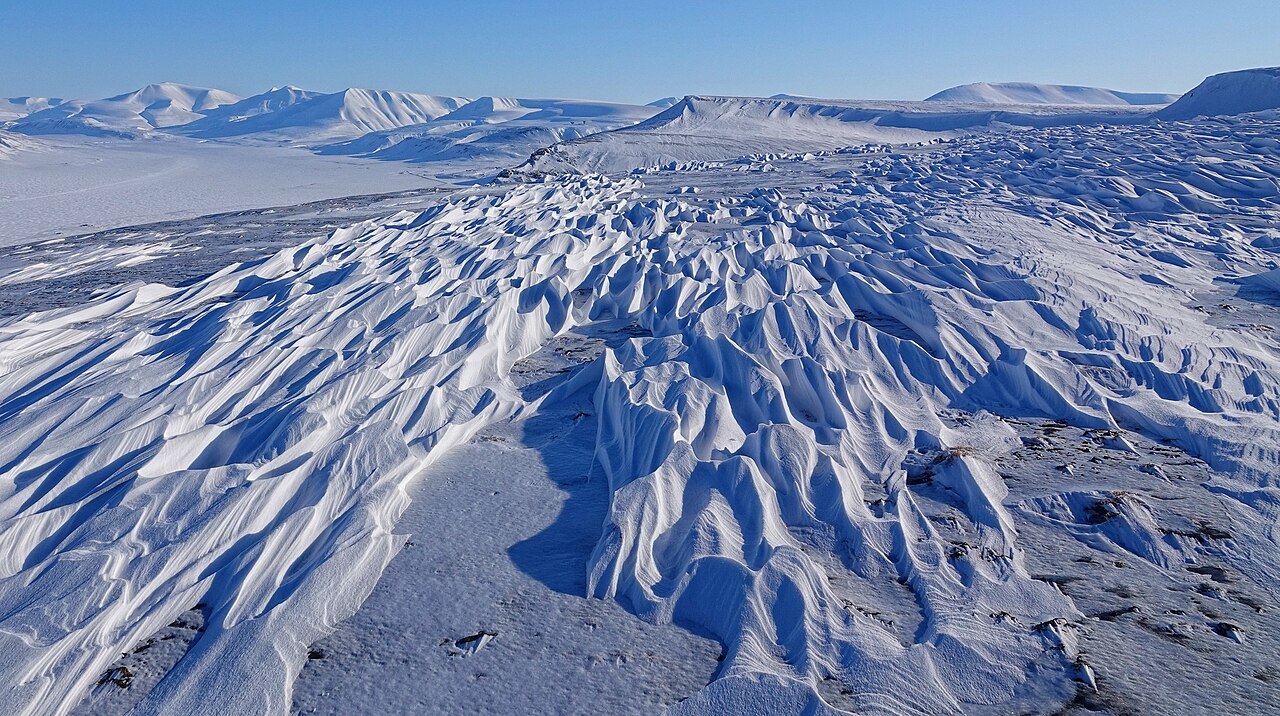
Snow can be described by its density, grain size and bonding. Fresh powder typically has low density and high air content, while wind-packed or melt-freeze layers become denser and harder. Snowpack—the accumulated layers on the ground—is important for hydrology and avalanche risk. Scientists and weather services measure snowfall depth and water equivalent to assess water resources and flooding potential.
Uses and cultural importance
Snow supports many seasonal activities and cultural practices. It is central to winter sports such as skiing, snowboarding, sledding and ice sculpting. Where natural snowfall is insufficient, resorts sometimes use machines to produce artificial snow for recreation. Communities also use snow for water storage in mountain regions because gradual melt feeds rivers and reservoirs.
Hazards and mitigation
Snow can create significant hazards. Heavy snowfall reduces visibility, blocks roads and damages structures. When melting during the day and refreezing at night it forms ice, increasing the risk of accidents. Municipalities clear roads with plows and apply abrasive sand or chemical agents such as salt to improve traction. Salt lowers the melting point of ice, accelerating surface melt and reducing slipperiness.
Severe snow events and notable phenomena
Some snowstorms reach extreme danger levels. A blizzard combines heavy snowfall with strong winds so that blowing snow limits visibility and creates drifts that hinder travel. Less common is thunder snow, a thunderstorm that produces snow instead of rain and may include lightning similar to ordinary storms; observers report sharp contrasts in sound and light when this occurs. Avalanches, whiteouts and prolonged isolation are other serious consequences of intense snow in mountainous or remote areas.
Practical tips and notable facts
- Awareness of local forecasts and snowpack conditions improves safety in winter travel and recreation.
- Snow's insulating properties can protect plants and soil from extreme cold while also increasing structural loads on buildings.
- In many cold climates, seasonal snow cover is a critical component of the regional water cycle and ecology.
- Electric and lightning activity associated with snowstorms, including lightning, is rare but documented.
Taken together, the physical processes that create snow and the ways people interact with it—from winter sports to road maintenance—make snow a significant element of weather, environment and culture in cold regions. For practical preparation and safety, follow local advisories and use appropriate equipment when venturing into snowy conditions.
Related articles
Author
AlegsaOnline.com Snow: formation, characteristics, uses and hazards Leandro Alegsa
URL: https://en.alegsaonline.com/art/91343
Sources
- water.usgs.gov : "Science in Your Watershed - General Introduction and Hydrologic Definitions"
- commons.wikimedia.org : Snow