
Winter (season)
Winter is the coldest of the four temperate seasons, marked by shorter days, longer nights, and a range of climatic, ecological, and cultural effects.
Winter is one of the four principal seasons and is generally recognized as the coldest part of the annual cycle in temperate and polar regions. Astronomically, it is centered on the winter solstice, when one hemisphere is tilted farthest from the Sun and receives the least direct sunlight. In everyday usage, winter brings lower average temperatures, an increase in frost and snow at higher latitudes and elevations, and a distinct set of environmental and social responses.
Image gallery
10 Images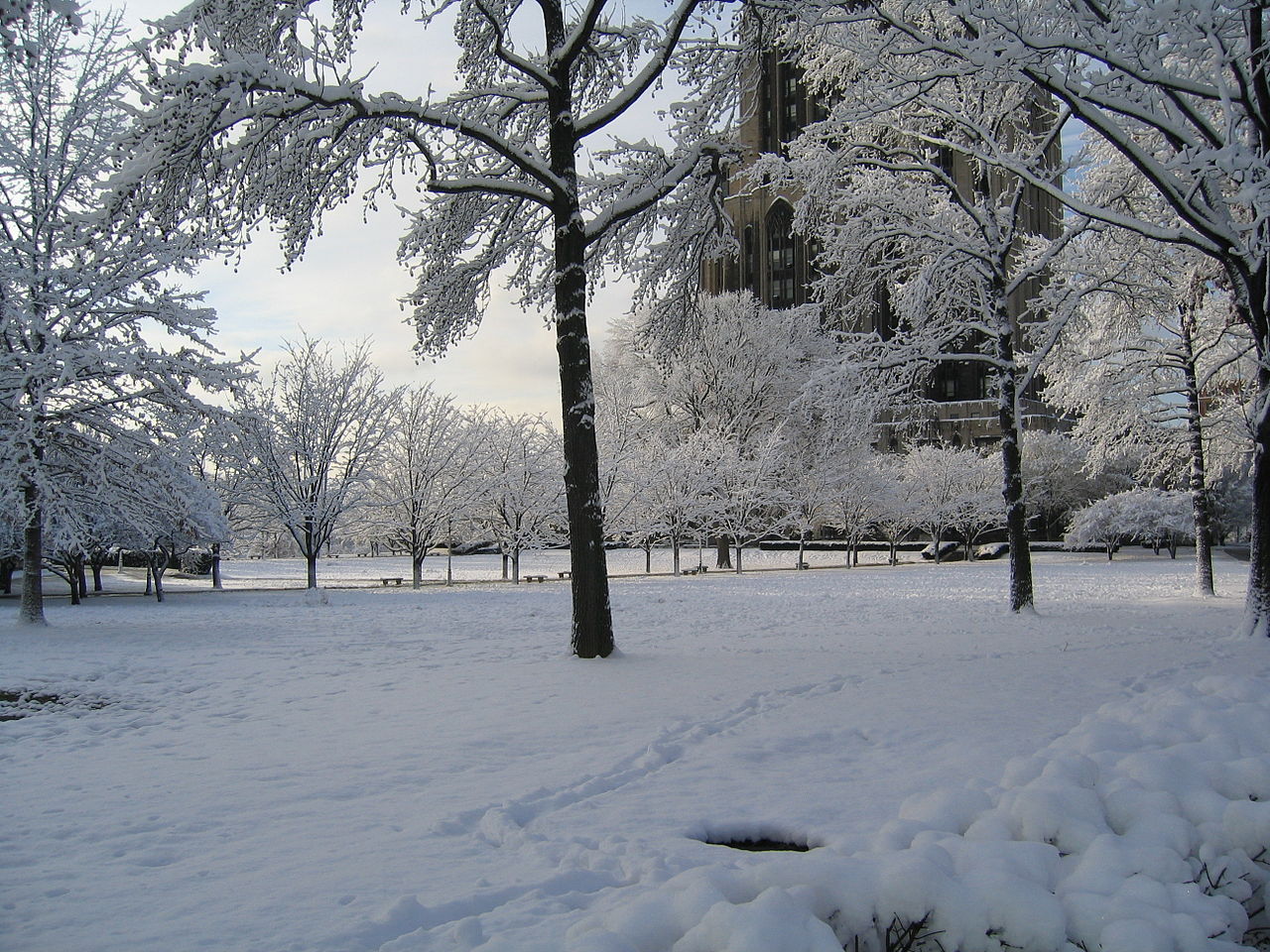




Key characteristics
Typical features of winter include reduced daylight hours, greater incidence of frozen precipitation and ice, and dormancy or altered behaviour in many plant and animal species. In temperate zones, many deciduous trees lose their leaves and enter a seasonal rest, while in polar regions winter is marked by continuous darkness for a period (polar night). Winter weather can vary widely by region; some areas experience heavy snowfall and prolonged cold, others see wet, cool conditions rather than deep freezes.
The season can be defined in different ways: astronomically, winter begins at the winter solstice and ends at the vernal equinox; meteorologically it is often treated as the three coldest calendar months in a given region. Because Earth’s axial tilt determines the timing and intensity of seasons, the Northern Hemisphere’s winter occurs when the Southern Hemisphere has summer and vice versa.
Nature and human responses
Plants and animals adapt to winter through behaviours such as migration, hibernation and physiological adjustments. Many species reduce activity or rely on stored resources; birds may migrate to warmer areas. Human adaptations include changes in clothing, heating, building insulation, altered agricultural cycles and the storage or consumption of preserved foods. Winter also gives rise to specific recreational and commercial activities, including skiing, ice skating, snowboarding and winter festivals.
Winter weather can present hazards: icy roads, snowstorms, avalanches, and risks of hypothermia or frostbite. Societies respond with infrastructure and services such as snow clearance, weather forecasting, and emergency planning. Culturally, winter contains important holidays and observances in many traditions, and it has long influenced art, literature and seasonal customs.
Origins, names and notable facts
The English word "winter" derives from a Germanic root often interpreted as meaning a wet or time-of-water season, reflecting rain and snow in middle and high latitudes. Across languages and cultures, the concept of winter is tied to cycles of scarcity and renewal that shape calendars and rituals. Though the broad patterns of winter are well known, local climates and the effects of climate change continue to modify how the season is experienced worldwide.
Related topics
- Seasons and the annual cycle
- Cold weather phenomena
- Autumn as the preceding season
- Spring as the following season
- Winter solstice and astronomy
- Northern Hemisphere seasonal patterns
- Typical solstice dates (December)
- Variability of solstice timing
- Southern Hemisphere seasonal patterns
- Solstice dates in June
- Temperate climates and seasonal change
- Deciduous trees and dormancy
- Tree and plant adaptations
- Snow and frozen precipitation
- Winter sports and sledding
- Seasonal holidays and festivals
- Christmas and winter observances
- New Year celebrations
- Etymology and historical notes
Questions and answers
Q: What is winter?
A: Winter is one of the four seasons and it is the coldest time of the year.
Q: How are the days and nights different in winter?
A: In winter, the days are shorter but the nights are longer.
Q: When does winter come?
A: Winter comes after autumn and before spring.
Q: When does winter begin?
A: Winter begins at the winter solstice.
Q: When is the winter solstice in the Northern Hemisphere and Southern Hemisphere respectively?
A: In the Northern Hemisphere, the winter solstice is usually December 21 or December 22, while in the Southern Hemisphere, it is usually June 21 or June 22.
Q: What do some animals do during winter?
A: Some animals hibernate during winter.
Q: What are some winter activities and holidays?
A: Many places have snow in winter, and some people use sleds or skis. Holidays in winter for many countries include Christmas and New Year's Day.
Related articles
Author
AlegsaOnline.com Winter (season) Leandro Alegsa
URL: https://en.alegsaonline.com/art/108644