
Late Heavy Bombardment — lunar cataclysm and its planetary effects
Period ~4.1–3.8 billion years ago when many large impacts struck the Moon and other inner planets; evidence, leading theories, and implications for early Earth and Solar System history.
Overview
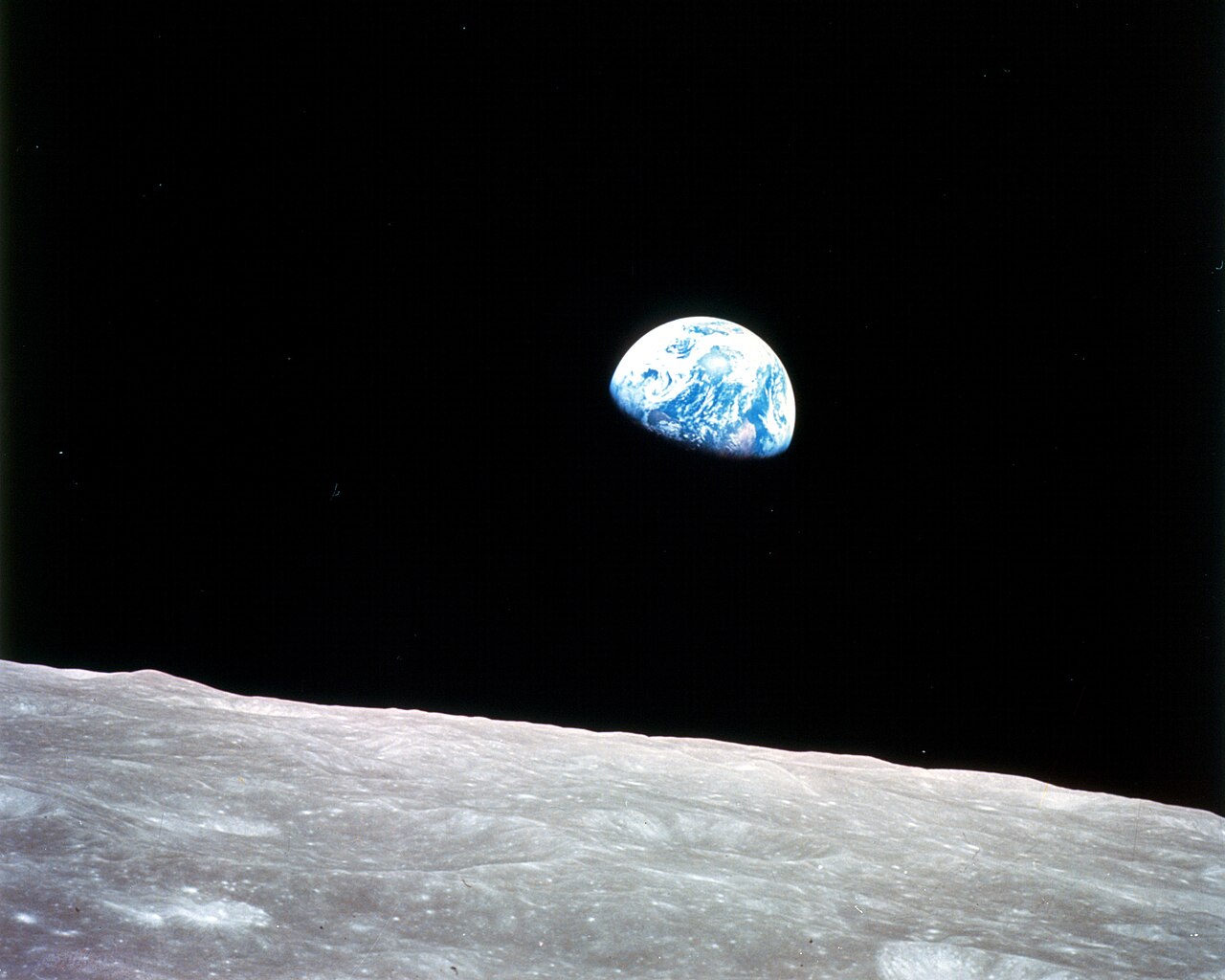
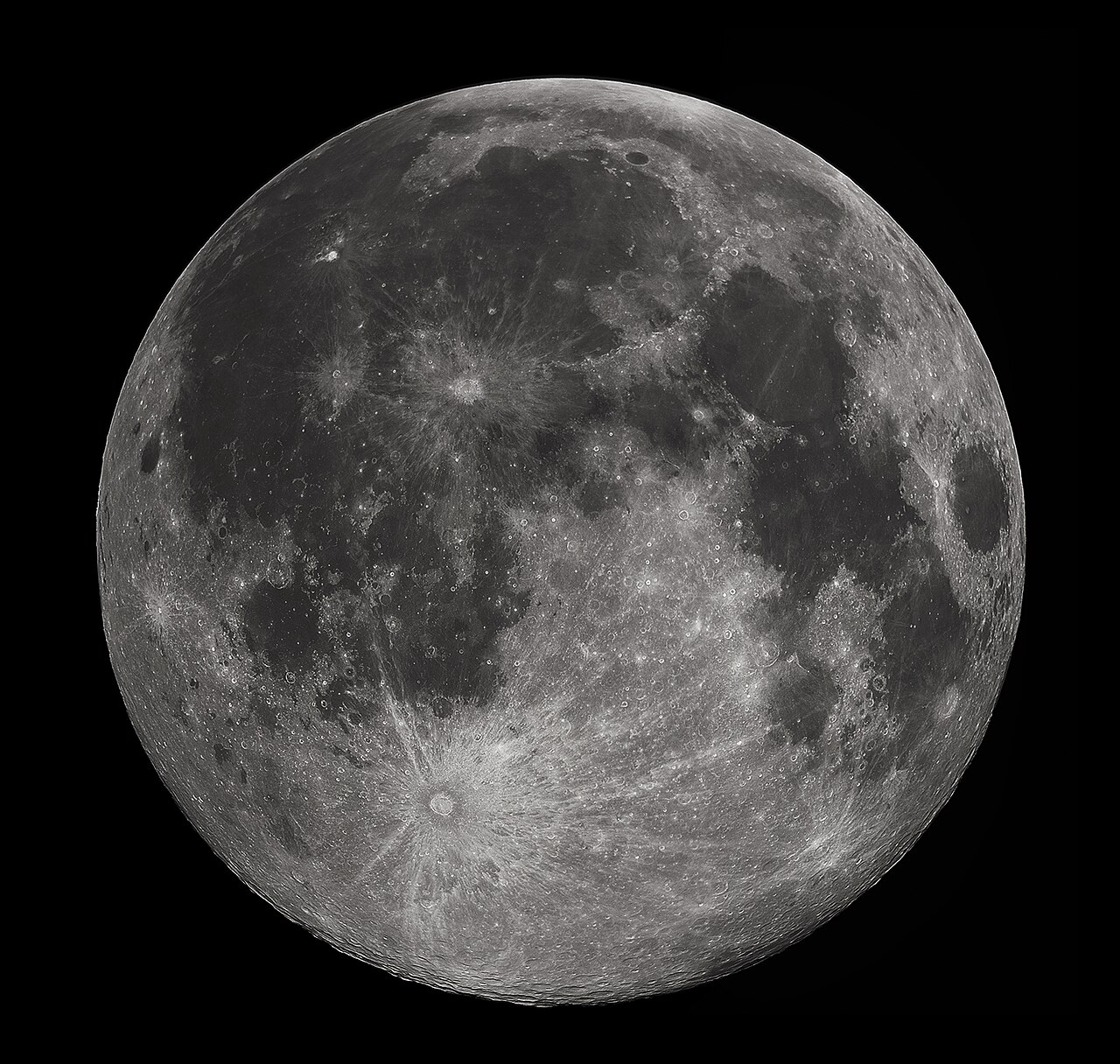
The Late Heavy Bombardment (LHB), also called the lunar cataclysm, refers to a period roughly 4.1 to 3.8 billion years ago when a marked increase in large impact events appears in the geological record. The clearest record is on the Moon, whose ancient surface preserves many large basins and impact melts. By inference, the same population of impactors also affected the early Earth, and likely left traces on Mercury, Venus, and Mars.
Image gallery
9 Images




Evidence and dating
The concept of a concentrated bombardment event arises from laboratory ages of lunar rocks returned by the Apollo and Luna missions and from some meteorites. Radiometric analyses and the clustering of impact-melt ages point to a spike in impact activity; this interpretation derives from systematic dating of those samples. The Moon is a natural recorder because it lacks plate tectonics and active erosion, so ancient craters and melt sheets remain accessible for study.
Proposed causes
Several mechanisms have been proposed to explain how icy and rocky bodies were sent into the inner Solar System. Suggested source reservoirs include asteroidal (asteroidal) and cometary (cometary) populations. A family of dynamical explanations invokes changes in the orbits of the giant planets. For example, perturbations among the gas giant planets—or shifts involving Jupiter in particular—could scatter small bodies inward.
Two well-known dynamical models that can produce such scattering are planetary migration and related scenarios of early instability. These ideas invoke events such as orbital migration or resonance crossings that destabilize objects in the asteroid belt or the Kuiper belt, sending them toward the terrestrial planets. Specific hypotheses include variants of the Nice model and the Grand Tack, which differ in timing and details but share the broad mechanism of gravitational reconfiguration.
Debate and alternative views
Not all researchers agree that a distinct, short-lived spike occurred. Some argue the apparent clustering of ages arises from sampling bias of the limited lunar samples available from a few landing sites, and that bombardment declined gradually as leftover planetesimals were cleared. Others propose a combination: a background decay of impacts punctuated by one or more surges tied to dynamical events. The question remains active because models, lunar sample sets, and crater-count chronologies must be reconciled.
Implications for planetary history and life
The LHB, if it was global and intense, would have reshaped crusts and influenced volatile inventories across the inner Solar System. For Earth this raises questions about surface temperatures, crustal recycling, and the conditions for the emergence or survival of early life. While a heavy bombardment could have caused sterilizing impacts at times, it could also have delivered water and organic compounds that contributed to habitability. These implications are model-dependent and remain areas of active research.
Notable facts and ongoing research
- Interpretations rely heavily on lunar samples and improved geochronology; new sample-return missions and targeted studies of impact melt rocks are important for testing hypotheses.
- Distinguishing between asteroidal and cometary origins uses geochemical and isotopic fingerprints in impact melts and meteorites (asteroidal vs cometary signatures).
- Models of early Solar System dynamics involve exchanges between small-body reservoirs and giant-planet behavior, including gas giant instabilities and orbital migration.
- Comparative crater histories on the Moon, Mars, and inner planets provide cross-checks on timing and intensity.
Research into the LHB connects to broader topics of Solar System evolution and planetary geology; readers seeking more context can consult works on the formation and evolution of the Solar System and detailed studies of early dynamical models such as the Nice and Grand Tack hypotheses. For further summaries and technical reviews see resources that discuss the lunar sample record and dynamical simulations in greater depth (chronology, radiometric methods, and specific references to the asteroid belt and Kuiper belt populations).
Related articles
Author
AlegsaOnline.com Late Heavy Bombardment — lunar cataclysm and its planetary effects Leandro Alegsa
URL: https://en.alegsaonline.com/art/56182
Sources
- psrd.hawaii.edu : Wandering gas giants and lunar bombardment
- doi.org : 10.1126/science.290.5497.1754