
Radiometric dating
Techniques that determine the age of materials by measuring radioactive isotopes and their decay products. Widely used in geology, archaeology and planetary science.
Overview
Radiometric dating, often called radioactive dating, is a set of laboratory methods that estimate the age of rocks, minerals and organic materials by measuring quantities of naturally occurring radioactive substances and the products they decay into. The basic premise is that certain unstable atomic nuclei transform into more stable forms at predictable rates. By comparing the amount of a radioactive isotope (the "parent") with its decay product (the "daughter"), and by knowing the decay rate, scientists calculate how long the process has been occurring. Radiometric techniques are central to geochronology and have been used to determine the age of the Earth and the timing of major events in Earth history.
Image gallery
7 Images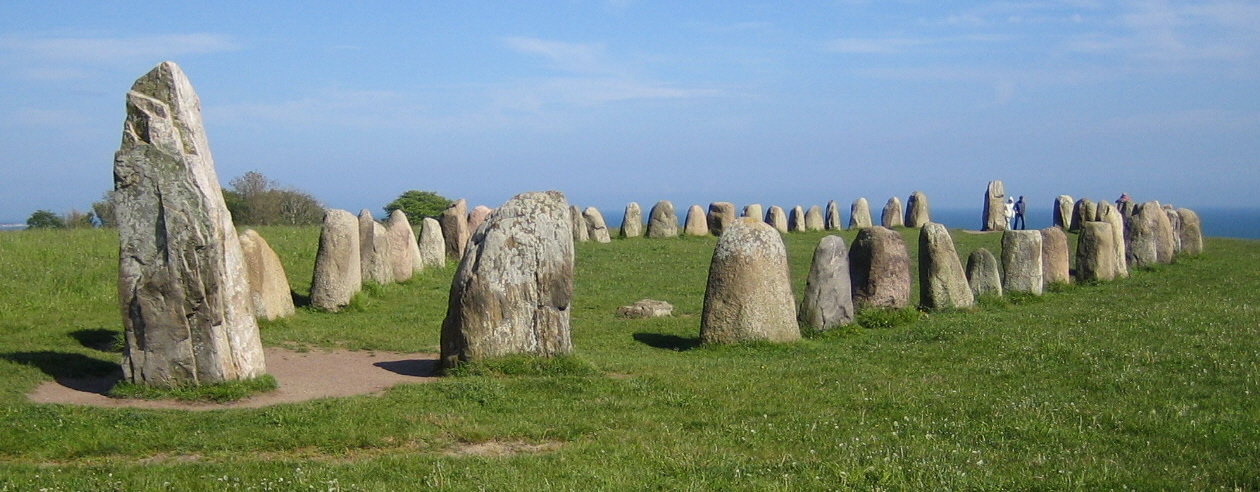


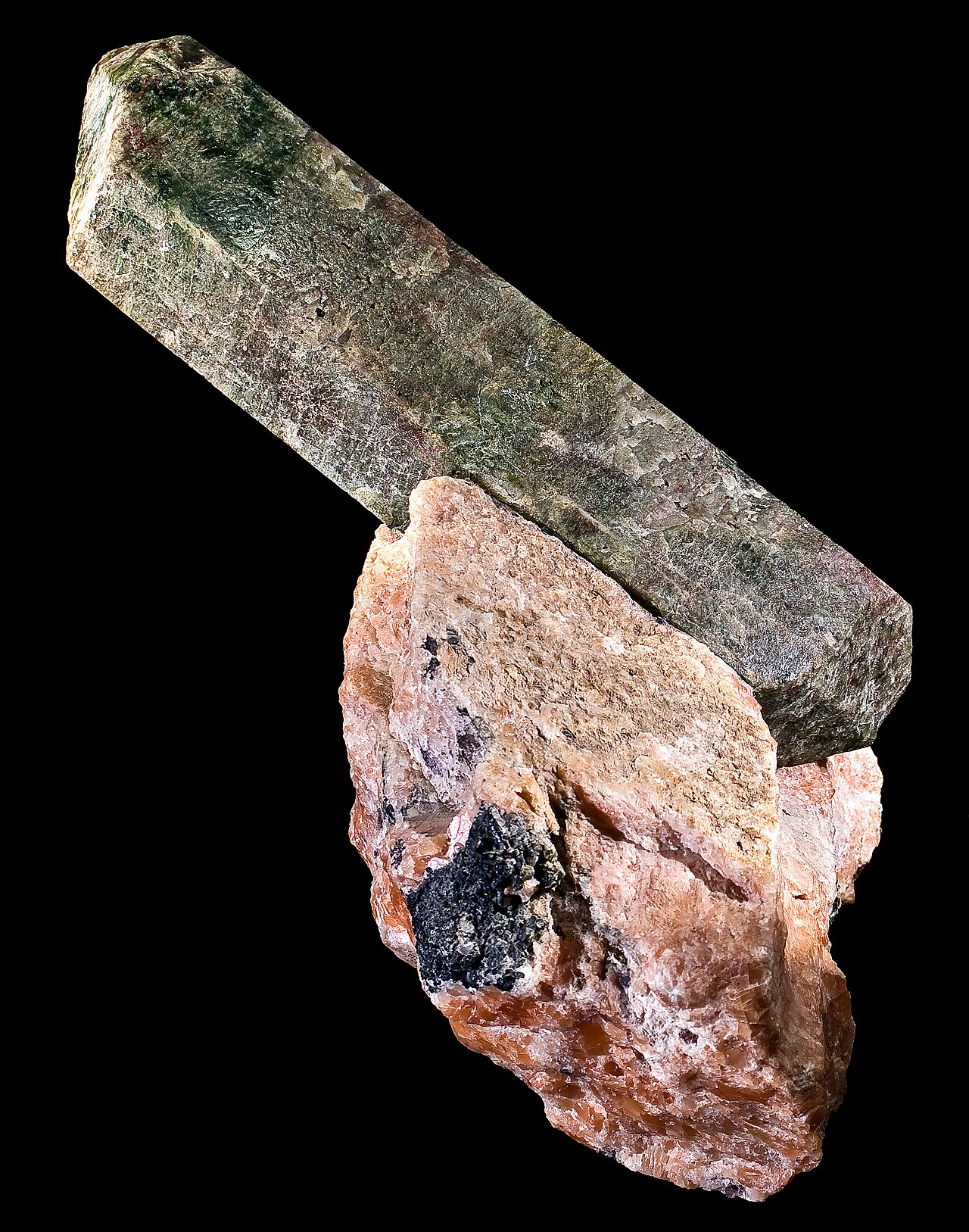


Principles and key concepts
Two concepts are essential: half-life and closed-system behavior. The half-life is the time it takes for half of a population of parent atoms to decay; this value is constant for a given isotope and allows conversion from measured ratios to elapsed time. For reliable results a sample must behave as a closed system after formation, meaning parent and daughter isotopes were not added or lost by later chemical or physical processes. Laboratory work also corrects for initial daughter atoms that were present when the sample formed.
Common methods and their applications
- Radiocarbon dating: Radiocarbon dating measures carbon-14 in formerly living material and is widely used in archaeology and environmental studies to date organic remains up to about 50,000 years; it is heavily applied to archaeological contexts and ancient artifacts.
- Potassium–argon and argon–argon: Useful for volcanic rocks and ash layers ranging from thousands to billions of years, often employed to bracket the age of fossils by dating layers above and below them.
- Uranium–lead: A high-precision technique for dating old igneous and metamorphic minerals; uranium–lead dating has been crucial for establishing the oldest rock ages and calibrating the geological time scale.
- Other approaches: Techniques such as luminescence, electron spin resonance and fission-track dating extend the range and types of materials that can be dated.
History and development
The discovery of natural radioactivity in the late 19th century opened the door to measuring geological time. Early pioneers recognized that radioactive decay could provide an absolute clock. Over the 20th century, improvements in detector technology, mass spectrometry, and sample preparation steadily increased precision and reliability. Cross-checks among independent methods and modern calibration practices have turned radiometric dating into a robust framework for chronological studies across the natural sciences.
Limitations, assumptions and reliability
Radiometric ages are useful and reliable when assumptions are met and careful laboratory protocols are followed. Key assumptions include a known decay rate, an initial condition that can be constrained, and the absence of post-formation gain or loss of parent or daughter isotopes. Potential issues include contamination, metamorphic resetting, and reservoir effects (notably in radiocarbon). Scientists address these by selecting appropriate materials, using multiple isotopic systems, applying correction models, and reporting uncertainties. When independent methods agree, confidence in age estimates increases.
Importance and examples
Radiometric dating underpins the geological time scale and has established the timing of major events such as mass extinctions, volcanic episodes and the age of the solar system. It is applied across disciplines: geologists date rock units, paleontologists bracket fossil ages, archaeologists date organic artifacts, and planetary scientists determine the histories of meteorites and other bodies. Continued methodological advances extend the range and resolution of the geologic clock, making radiometric dating a foundational tool for understanding Earth and planetary history.
For further technical background and specific procedures, consult specialized references and laboratory guides. Example resources and introductory overviews can be found via links to general topics and methods provided above.
Questions and answers
Q: What is radiometric dating?
A: Radiometric dating (often called radioactive dating) is a way to find out how old something is. It uses known decay rates to compare the amount of a naturally occurring radioactive isotope and its decay products in samples.
Q: What are some examples of materials that can be dated using radiometric dating?
A: Radiometric dating can be used to date many kinds of natural and man-made materials, including fossils, archaeological materials, and ancient artifacts.
Q: How does radiocarbon dating work?
A: Radiocarbon dating works by taking samples of rocks from above and below the fossil's original position. The method then uses known decay rates to estimate the age of the material being studied.
Q: What are some common techniques used in radiometric dating?
A: Common techniques used in radiometric dating include radiocarbon dating, potassium-argon dating, and uranium-lead dating.
Q: How is radiometric datinng used to establish the geological time scale?
A: Radiometric datinng methods are used to establish the geological time scale by providing accurate estimates for when certain events occurred or when certain materials were formed.
Q: Is it possible to use radiometric datinng on living organisms?
A: No, it is not possible to use radiometric datinng on living organisms since they do not contain any naturally occurring radioactive isotopes that can be measured with this technique.
Tags
Related articles
Author
AlegsaOnline.com Radiometric dating Leandro Alegsa
URL: https://en.alegsaonline.com/art/80779
Sources
- raa.se : "Ales stenar"
- goldbook.iupac.org : goldbook.iupac.org/terms/view/R05082
- talkorigins.org : Radiometric dating and the geological time scale. TalkOrigins Archive
- doi.org : 10.1016/S0301-9268(01)00215-7
- worldcat.org : 37783103
- geo.cornell.edu : "Basics of radioactive isotope geochemistry"
- pubs.usgs.gov : "Geologic time: radiometric time scale"
- worldcat.org : 27937350
- adsabs.harvard.edu : "Approximation of terrestrial lead isotope evolution by a two-stage model"
- doi.org : 10.1016/0012-821X(75)90088-6
- doi.org : 10.1016/0012-821X(96)00132-X