
Leonids: the November meteor shower from comet Tempel–Tuttle
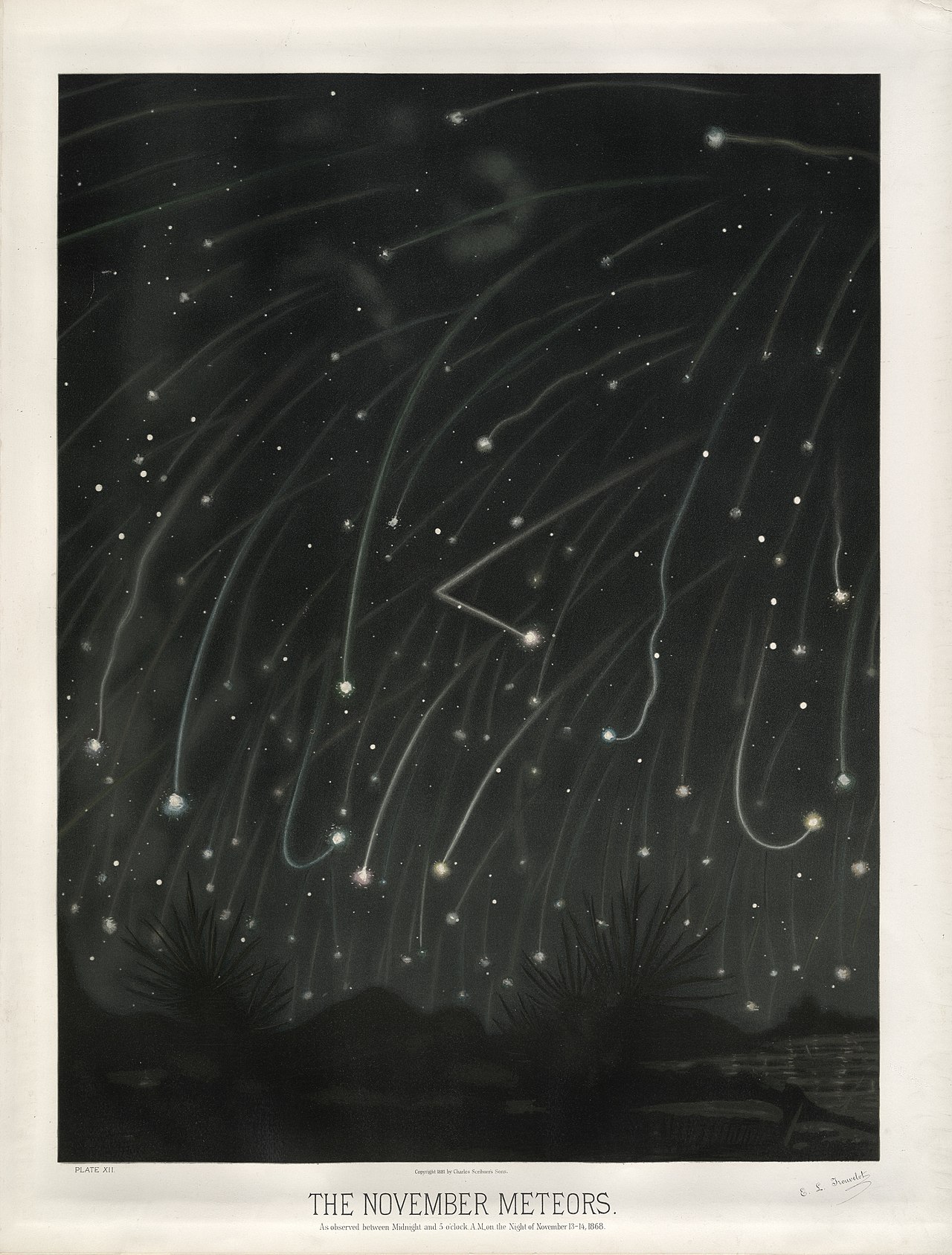
The Leonids are an annual November meteor shower produced by debris from comet Tempel–Tuttle, notable for fast, bright meteors and occasional storms that peak around November 17 with a radiant in Leo.
Overview
The Leonids are a well-known annual meteor shower that peaks each November when Earth crosses the debris stream left by comet Tempel–Tuttle. Observers see streaks of light as small particles from the comet enter the atmosphere and burn up. The shower is named for its apparent point of origin, the constellation Leo, known as the radiant.
Image gallery
8 Images


Characteristics
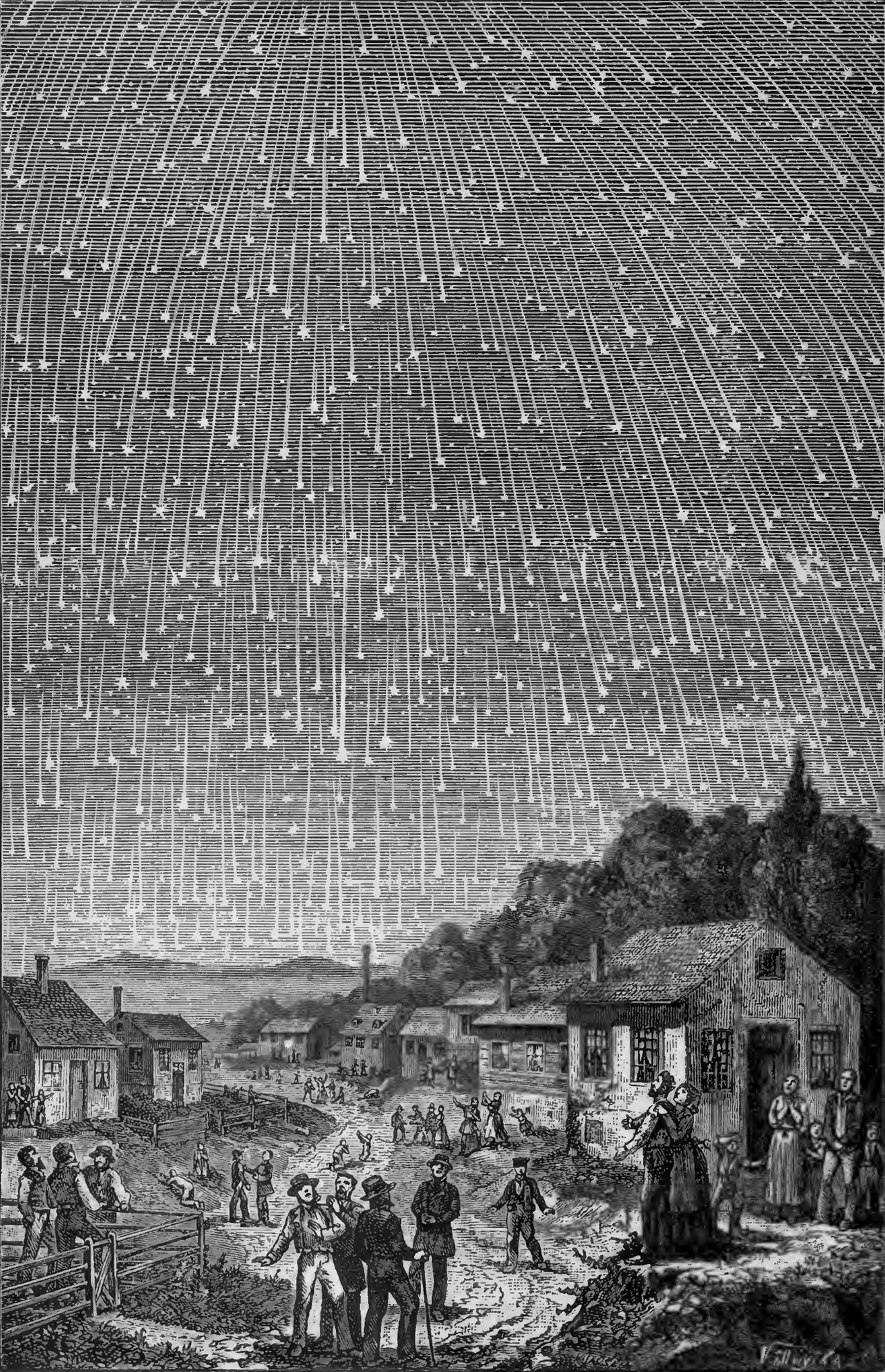
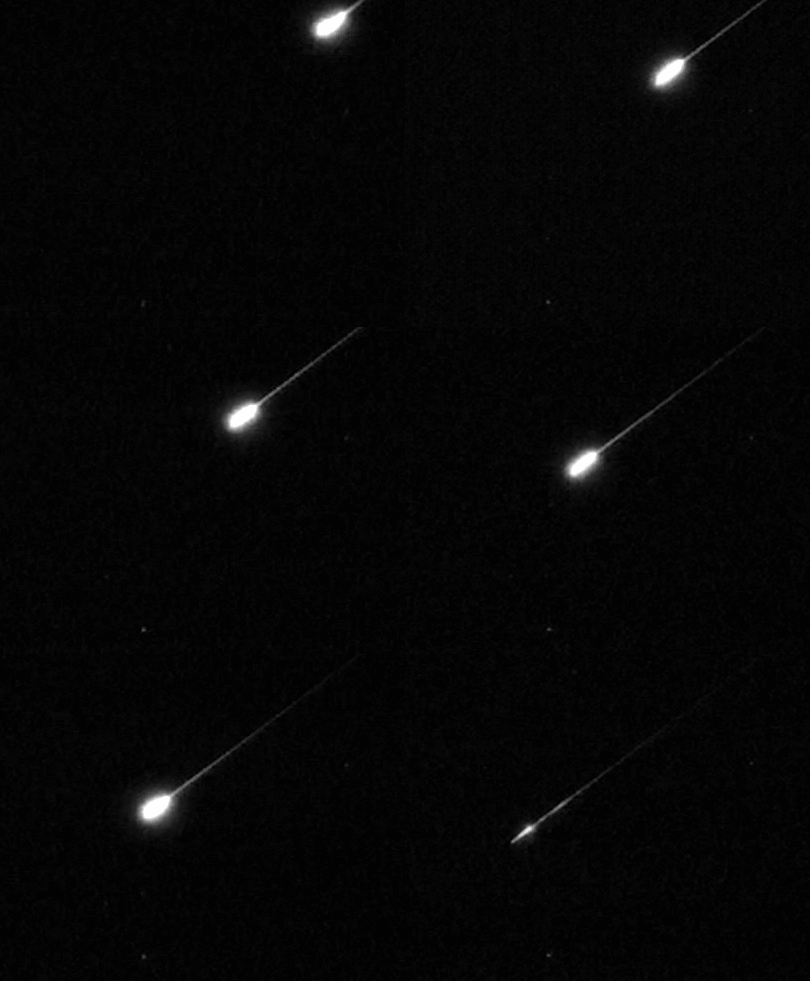
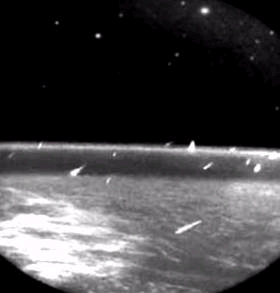
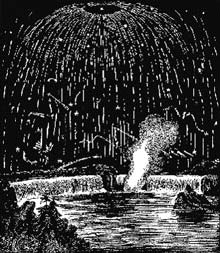
Leonid meteors are among the faster meteors experienced by observers, producing bright, swift streaks and sometimes long-lasting glowing trains. Individual particles range from tiny dust grains to larger fragments that can generate fireballs. The rate of visible meteors varies by year: most years produce a modest display, while certain years — when Earth encounters denser filaments of debris — can produce meteor storms with hundreds or thousands of meteors per hour.
Origin and periodic behaviour
The source of the Leonids is comet Tempel–Tuttle, a periodic comet that sheds dust and small rocks along its orbit. Over successive orbits this material spreads into a stream; as the planet moves through different parts of that stream the intensity and timing of Leonid displays change. Because the comet has a roughly 33-year orbital period, particularly intense displays have historically clustered around certain decades, though atmospheric and orbital dynamics make exact predictions complex.
History and notable storms
The Leonids have produced some spectacular historical events. Accounts from the 19th and 20th centuries describe dramatic storms that inspired scientific study of meteor streams and the connection between comets and meteors. Famous strong displays highlighted the shower's potential for high meteor rates and bright fireballs, and they helped establish modern meteor astronomy.
Viewing tips and scientific importance
For casual observers the best Leonid viewing comes on clear, dark nights near the shower's peak (around mid-November). To increase counts, find a wide view of sky away from city lights, allow eyes to adapt to the dark, and face toward the radiant near Leo while observing several hours before dawn. The Leonids are valuable to scientists because variations in their activity trace the structure of cometary debris and help refine models of how dust spreads through the solar system. Readers seeking background on meteor showers and meteors can consult introductory resources on meteor showers and on individual meteors.
Key facts and distinctions
- Radiant: constellation Leo.
- Peak: typically mid-November (around November 17).
- Source comet: Tempel–Tuttle.
- Activity varies: annual displays and occasional storms related to dense dust trails.
For current predictions and observing conditions consult up-to-date local astronomy guides and forecast pages, or general astronomy portals at further reading and other resources linking shower forecasts and historical records.
Related articles
Author
AlegsaOnline.com Leonids: the November meteor shower from comet Tempel–Tuttle Leandro Alegsa
URL: https://en.alegsaonline.com/art/57238