
Hedgehog — small spiny mammal
Overview of hedgehogs: appearance, behavior, diet, distribution, life cycle, interaction with humans and distinctions from similar animals.
The hedgehog is a small, insectivorous mammal known for the dense coat of stiff spines on its back. The animal appears in folklore and popular culture (see the fictional character Sonic the Hedgehog) and belongs to a group of nocturnal mammals studied for their defensive behavior and adaptability. As a mammal, it is classified among small insectivores and omnivores (classification overview).
Image gallery
10 Images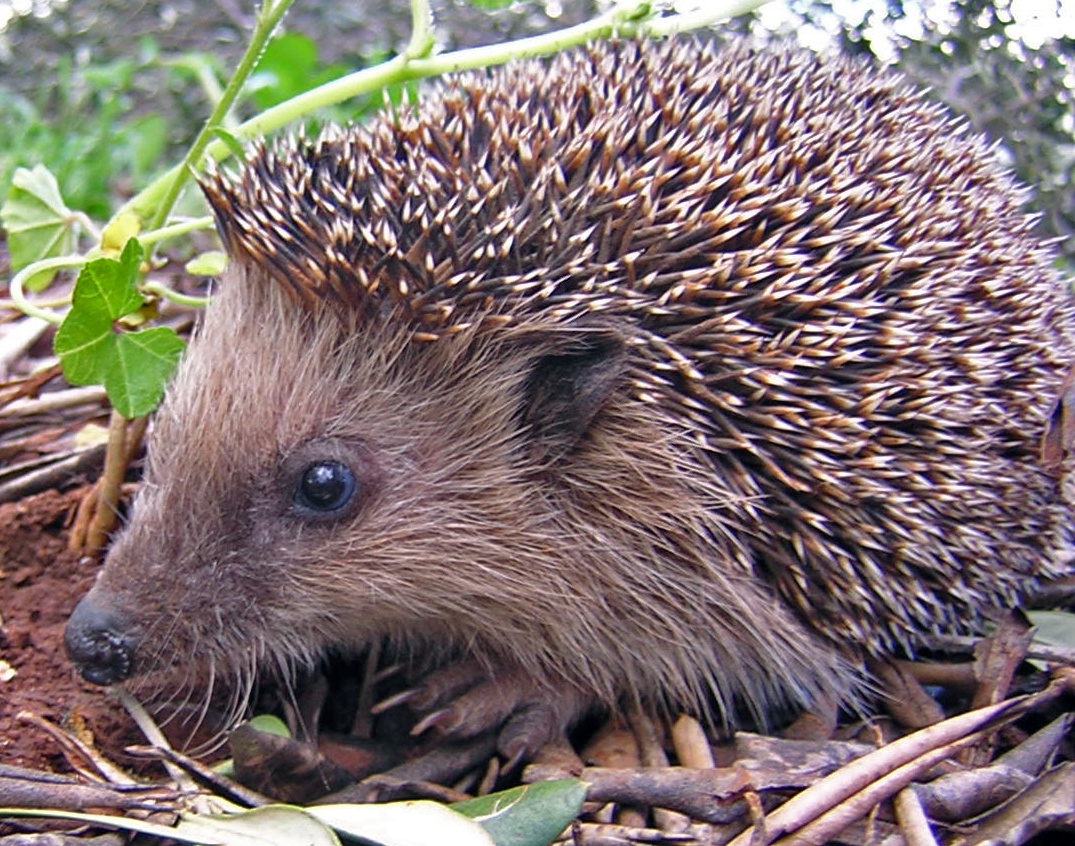




Physical characteristics
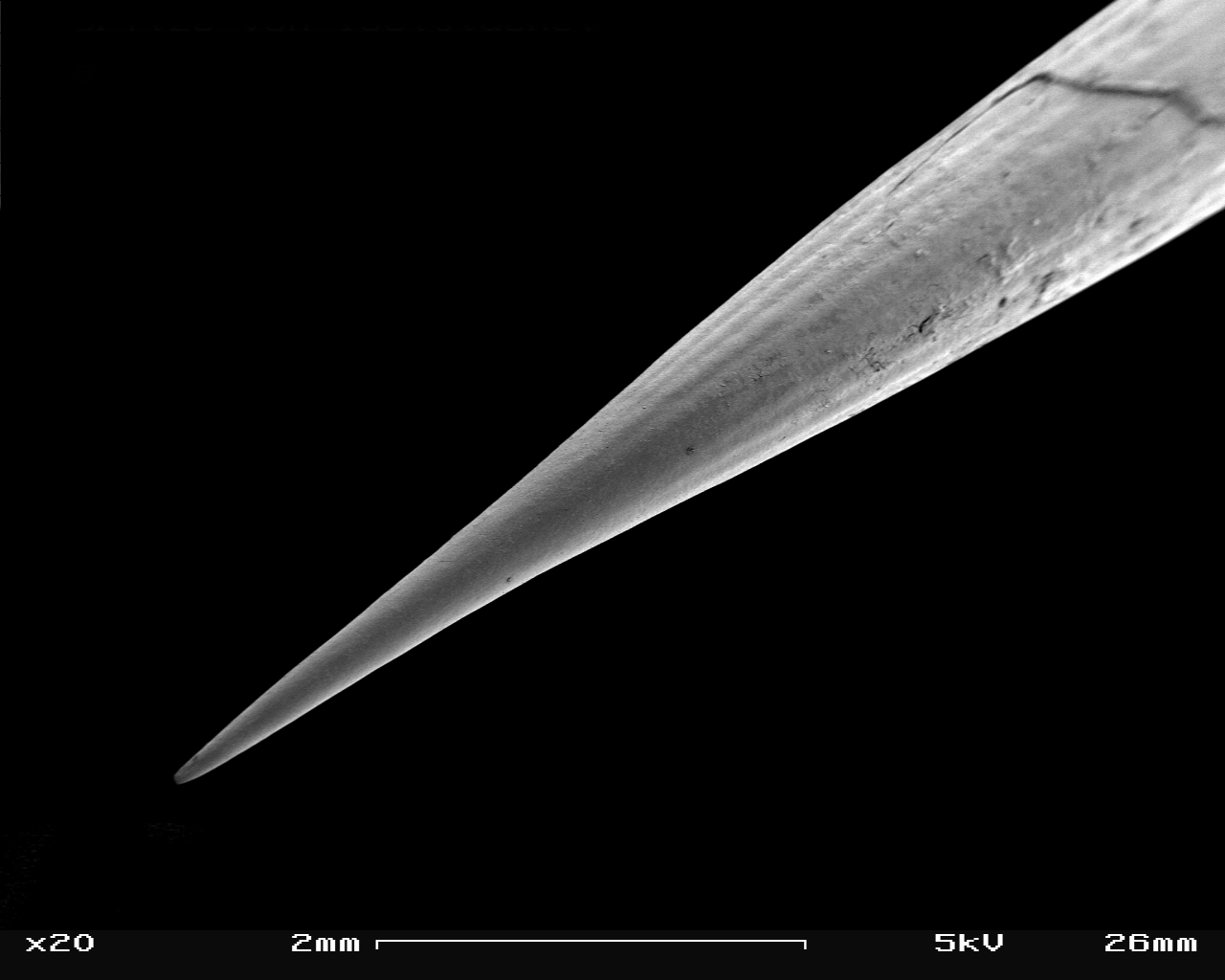
Adult hedgehogs typically carry thousands of spines—commonly cited ranges estimate several thousand per individual—and can roll into a tight ball when threatened to present only spines outward (spine counts, spine placement). They have a compact body, short limbs, a pointed snout for rooting, and a coat of softer fur on the belly and face. Common regional names include hedgepig and furze-pig.
Range and habitat
Hedgehogs naturally occur across much of Europe (European populations), parts of Asia (Asian species), several regions of Africa (African species) and were introduced to islands such as New Zealand (introduction history). They occupy gardens, hedgerows, woodlands and farmland where cover and invertebrate prey are abundant.
Diet and behavior
Primarily nocturnal, hedgehogs forage at night for a varied diet and may hibernate in colder climates. Their diet commonly includes:
- Insects and their larvae
- Snails and slugs
- Frogs, small snakes and other small vertebrates
- Bird eggs and items from nests
- Carrion, fungi such as mushrooms, and plant matter including berries and melons
- After rain they may seek out earthworms
When threatened, hedgehogs curl into a spiny ball and may hiss or puff, using their spines as passive defense rather than active attack.
Life cycle, human interaction and conservation
Hedgehogs breed seasonally; females raise litters in nests of leaves or sheltered cavities. Some species hibernate in temperate zones between late autumn and early spring, reducing metabolism to survive food scarcity. Several hedgehog species have adapted to suburban and rural gardens and are kept as companion animals in some countries, which has increased public interest in their welfare. Across their range, hedgehog populations face threats including habitat loss, road mortality, pesticides that reduce prey, and fragmentation. Conservation efforts frequently focus on habitat connectivity, safe garden practices and public education.
Notable distinctions: hedgehogs are often confused with porcupines, but porcupines are larger, belong to a different order and use quills differently. For further cultural, biological and management information see regional resources and species accounts linked above.
Related articles
Author
AlegsaOnline.com Hedgehog — small spiny mammal Leandro Alegsa
URL: https://en.alegsaonline.com/art/43206
Sources
- departments.bucknell.edu : "Order Erinaceomorpha"
- google.com : Mammal Species of the World: A Taxonomic and Geographic Reference
- worldcat.org : 62265494