
Berry: botanical definition, common usage, examples and distinctions
A concise encyclopedia entry on berries: the botanical meaning, everyday usage, examples of true and false berries, histories, uses, and key distinctions.
Overview
The word "berry" is commonly applied to many small, often sweet fruits eaten fresh, preserved, or processed. In everyday speech this includes fruits such as the raspberry, the strawberry and the blueberry. Those fruits are prized for flavor, color and convenience, and they figure prominently in cooking, jams and diets around the world. Many cultures also gather wild berries and cultivate domestic varieties for food and trade.
Image gallery
10 Images






Botanical definition
Botanists and plant scientists use "berry" in a technical sense. A true berry is a type of simple fruit that develops from a single ovary and typically has an entire fleshy pericarp surrounding one or more seeds. Specialists often contrast a true berry with other fruit forms such as aggregate fruits or accessory fruits. When this precise usage is intended it is useful to mention that botanists mean the botanical definition rather than the culinary or common-language sense.
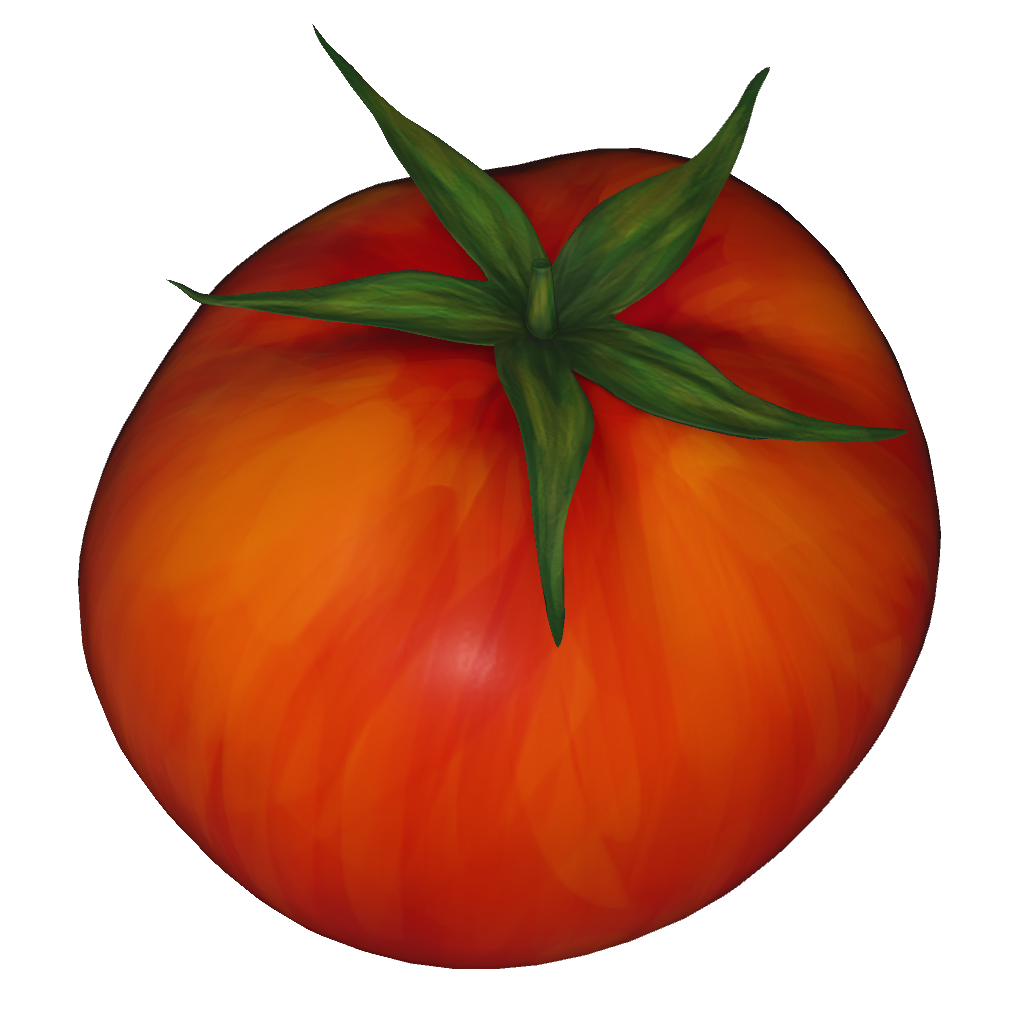
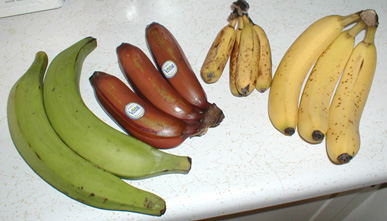
Under the botanical classification, familiar foods such as the grape and the tomato qualify as true berries because they develop from a single ovary with a fleshy wall. Likewise, certain tropical fruits often called berries in scientific texts include the banana and the guava. Other fruit types that are treated as special berry-like categories include pepos (for many pumpkins, cucumbers and melons) and hesperidia (citrus fruits such as oranges and lemons).
Common usage and confusion
In everyday English the term "berry" is applied to several fruits that are not botanical berries. For example, the raspberry, the cranberry and the boysenberry are not true berries by the botanical definition: raspberries and similar fruits are aggregate fruits composed of many small drupelets. Strawberries are accessory fruits in which flesh derives largely from the flower receptacle rather than the ovary wall.
Uses and ecological role
Berries serve multiple ecological functions. Their bright colors, sugars and juices attract animals, which eat the fruit and help disperse the seeds over wide areas. For people, berries are sources of vitamins, dietary fiber and phytonutrients; they are used fresh, frozen, dried, juiced or preserved. Cultivated berry crops are economically important in many regions and are subject to selective breeding for size, flavor and disease resistance.
Examples and notable distinctions
To illustrate the distinctions between common and botanical usage, consider these examples: bananas and some tropical fruits are botanical berries; grapes and tomatoes are true berries; strawberries and blackberries are not true berries. Pumpkins, cucumbers and melons are pepos, a subtype of berry with a hard rind; citrus fruits are hesperidia, modified berries with segmented interiors. Some sources also list the pomegranate among berry-like fruits because of its many seeds enclosed in juicy arils.

Images and labels


- Clockwise from right: grapes, persimmon, red gooseberry, red currant.
- Examples of common misnomers include strawberries and blackberries, which are aggregate or accessory fruits rather than botanical berries; see also aggregate fruit.
The distinction between culinary and botanical definitions is the main source of confusion about berries. Understanding whether the discussion is scientific or culinary clarifies which meaning of "berry" applies and helps explain why everyday names and botanical classifications sometimes diverge.
Related articles
Author
AlegsaOnline.com Berry: botanical definition, common usage, examples and distinctions Leandro Alegsa
URL: https://en.alegsaonline.com/art/10887