
Hereford cattle: breed overview, characteristics, history and uses
Encyclopedic entry on Hereford cattle covering origin, appearance, global distribution, breeding (including Polled Herefords), management, uses in beef production and role in crossbreeding.
Overview
Hereford cattle are a widely used beef breed, recognised for a distinctive red coat with a white face and underline. Developed originally as a beef type, they are valued for efficient conversion of forage to muscle, a generally docile temperament and adaptability to a wide range of climates. Herefords serve in purebred herds, commercial beef systems and crossbreeding programs where maternal qualities and foraging ability are needed. The breed is closely associated with traditional beef production systems and modern industry supply chains, including grass-based and finished systems focused on beef.
Image gallery
7 Images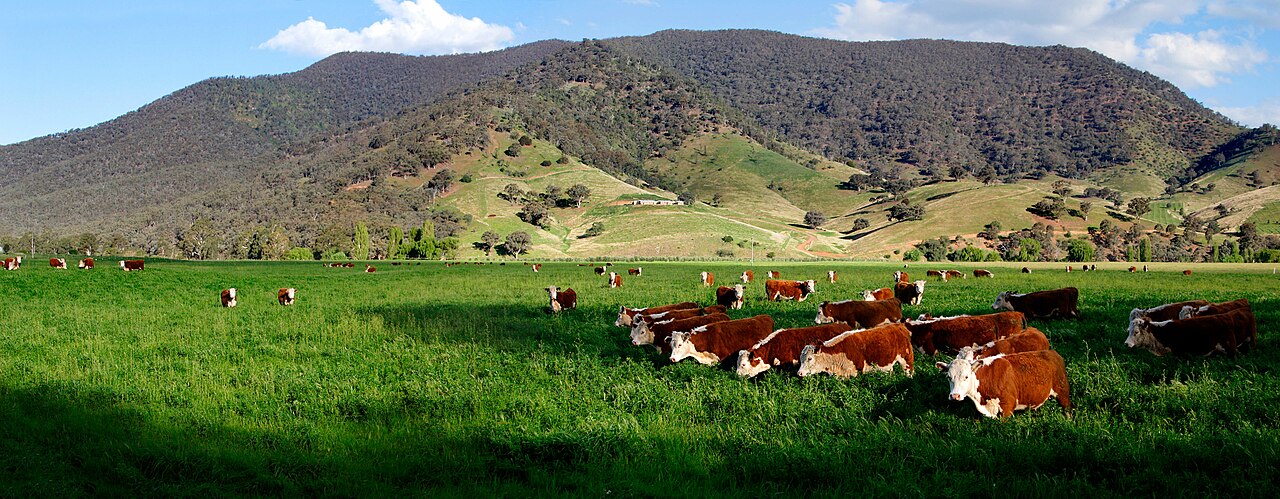


Physical characteristics and temperament
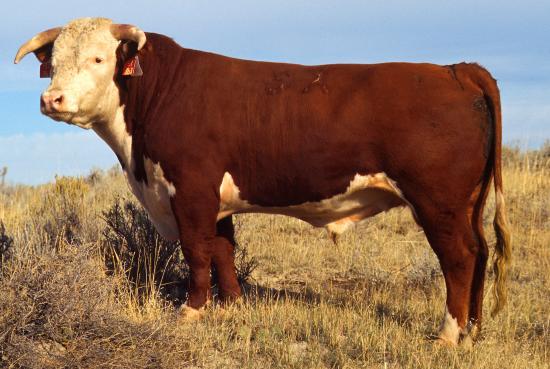
Classic Herefords are medium to large framed cattle with a compact, muscular body, deep rib and well set hindquarters. A white face, dewlap and underline contrast with a red body; white also commonly appears on the switch and lower legs. Both horned and naturally hornless lines exist. The animals are generally calm and manageable, which aids in handling and low-stress management. Breeders select for traits such as calving ease, maternal instinct, longevity and moderate mature size to suit extensive and intensive systems.
- Coat and markings: red body with white head and underparts; pattern is a breed hallmark.
- Disposition: typically docile and amenable to handling.
- Breeding traits: valued for fertility, easy calving and strong mothering ability.
History and development
The modern Hereford type developed in Herefordshire, England, where farmers selected local cattle for hardiness and beef quality across the 18th and 19th centuries. Systematic improvement, herd books and later organized breed societies helped stabilise type and disseminate superior bloodlines. From the late 19th century, export of breeding stock and semen contributed to the breed's spread worldwide.
Global distribution and adaptation
Herefords have been adopted on most continents because of their ability to perform on grass and tolerate varied climates. They are common in countries such as Australia, in arid and semi-arid parts of the American Southwest and broader United States, and in large grazing regions of South America, including Argentina and Uruguay. Historically, Herefords were a major component of national herds in places like New Zealand. Their success in diverse environments reflects both genetic hardiness and flexible management practices.
Breeding, the polled gene and management
Breeding objectives for Herefords vary by region but often emphasise calving ease, maternal performance and feed efficiency. A naturally occurring hornless variant, produced by the polled allele, is known as the Polled Hereford; animals carrying this allele are preferred in many herds for safety and reduced handling needs. Crossing polled and horned cattle is used as a genetic strategy to reduce horn incidence, providing an alternative to physical dehorning and its associated stress (polled gene). Management practices range from low-input pasture systems to intensive finishing on grain, and selection goals differ accordingly.
Uses, carcass qualities and economic role
Primary use is beef production, either as purebred Herefords or as part of crossbreeding to improve maternal ability, temperament and carcass finish in terminal crosses. Herefords are often praised for consistent carcass conformation and for producing beef that meets a variety of market specifications, particularly where grass-fed or extensively raised beef is valued. Their role in crossbreeding programs helps commercial producers combine heterosis with the breed's desirable maternal and foraging traits.
Health, longevity and breed societies
Herefords are generally robust with sound feet and a reputation for longevity in well-managed herds. Like all breeds, they benefit from attention to parasite control, vaccination and nutrition. Breed associations and extension services provide resources on selection, record keeping and adaptation to local conditions. Conservation-minded breeders also maintain smaller, heritage-oriented herds to preserve genetic diversity and historical bloodlines.
For further reading and regional guidance consult recognised breed societies and local livestock extension services, which maintain detailed information on registration, breeding standards and best management practices.
Questions and answers
Q: What is the origin of Hereford cattle?
A: Hereford cattle originally come from Herefordshire, England.
Q: What is the main purpose of Hereford cattle breeding?
A: Hereford cattle are widely used for beef production.
Q: Where are Hereford cattle found?
A: Hereford cattle are found in temperate parts of Australia, the desert American Southwest, the centre and east of Argentina, Uruguay, and New Zealand.
Q: How have Hereford cattle adapted to different climates?
A: Hereford cattle have adapted to a wide range of climates on nearly every continent.
Q: What are Polled Herefords?
A: Polled Herefords are hornless variants with the polled gene.
Q: How is a genetic dehorner achieved in Hereford breeding?
A: Breeding horned and hornless together functions as a genetic dehorner.
Q: Why is a genetic dehorner often used as an alternative to a dehorning process?
A: A genetic dehorner is often used as an alternative to a dehorning process, which causes stress and often weight loss.
Related articles
Author
AlegsaOnline.com Hereford cattle: breed overview, characteristics, history and uses Leandro Alegsa
URL: https://en.alegsaonline.com/art/43749
Sources
- ansi.okstate.edu : Breeds of Livestock - Cattle
- beef.org.nz : Beef New Zealand
- commons.wikimedia.org : Hereford (cattle)