
Hemiphractidae — marsupial and back‑brooding frogs
Hemiphractidae is a neotropical family of frogs notable for diverse parental care, including dorsal brood pouches and back‑carried eggs. Native to Central and South America, the group was once placed in Hylidae.
Hemiphractidae is a family of frogs native to parts of South America and Central America. Members of this family are best known for their unusual reproductive behaviors: females of many species carry eggs or developing young on their backs, sometimes in a specialized dorsal pouch. Historically the group was treated as a subfamily within Hylidae, but later research of anatomy and genetics supported recognition at family rank.
Image gallery
4 Images


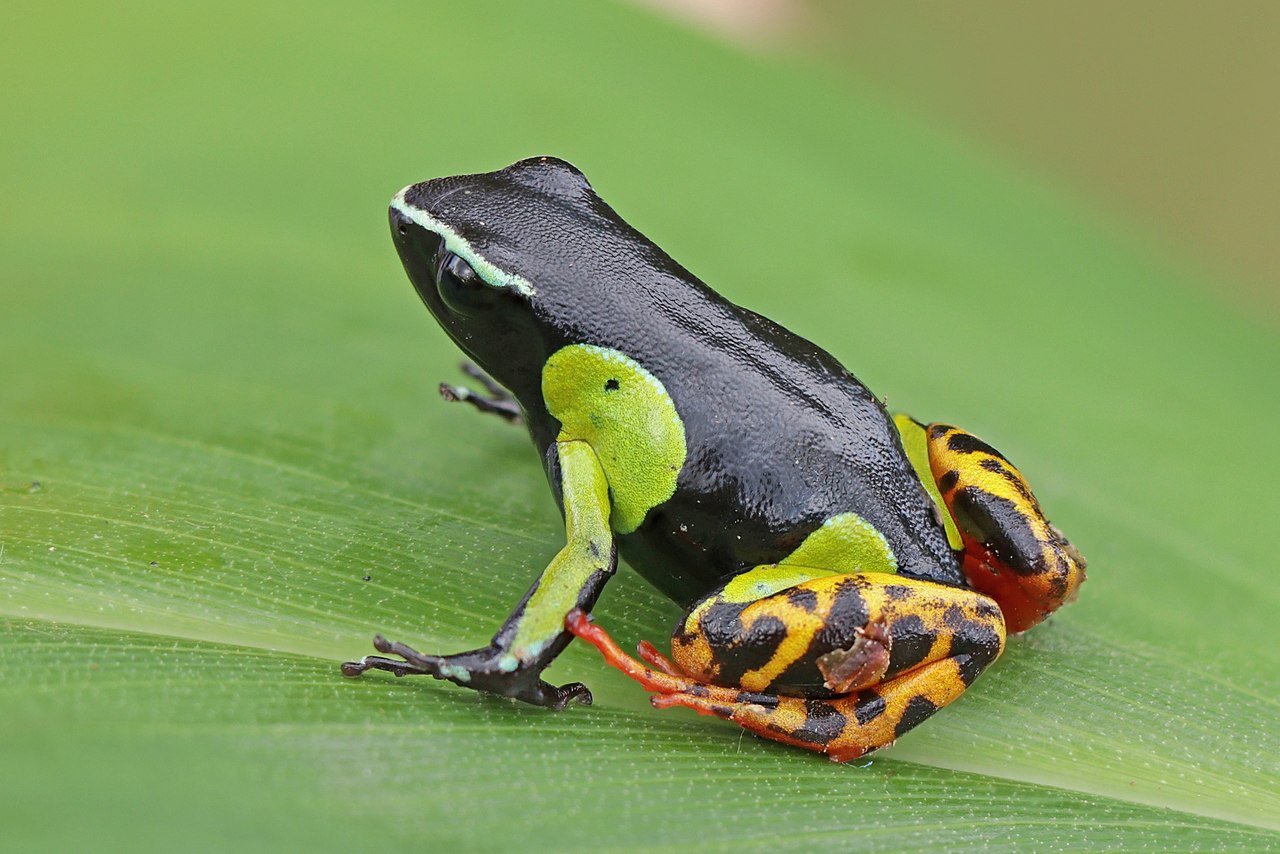
Characteristics and reproductive strategies
Hemiphractid frogs vary in size, body shape and habitat preference: some are arboreal, others live among leaf litter or rocky streams. Their most distinctive trait is parental care. Strategies include:
- True dorsal brood pouch: a skin fold that shelters eggs until they hatch as froglets.
- Eggs carried openly on the female's back where they are guarded and kept moist.
- Species with free‑swimming tadpoles that are deposited near water after an initial brooding period.
These reproductive modes reduce predation on eggs and can allow development away from standing water, an advantage in some forest habitats.
Taxonomy and notable genera
The family includes several genera that illustrate its diversity, such as Gastrotheca (often called marsupial frogs), Hemiphractus, Flectonotus, Stefania and Cryptobatrachus. Taxonomic boundaries have shifted as molecular data clarified relationships; many species were once lumped with tree frogs in Hylidae but are now treated separately to reflect their distinct biology.
Ecology, conservation and human interest
Hemiphractids occupy a range of forested environments and act as insect predators and prey for larger animals. Several species face threats from habitat loss, climate change and amphibian diseases such as chytridiomycosis. Their remarkable parental care draws scientific interest for studies of life‑history evolution, and some species are kept in specialized captive collections for research and conservation.
Related articles
Author
AlegsaOnline.com Hemiphractidae — marsupial and back‑brooding frogs Leandro Alegsa
URL: https://en.alegsaonline.com/art/43456