
Snail (gastropod): biology, diversity and human uses
Snails are coiled‑shell gastropods found in marine, freshwater and terrestrial habitats. This article outlines their anatomy, evolution, ecology, notable species, and interactions with people.
Overview
A snail is a common name for a gastropod with a shell that is typically coiled. Snails belong to the large phylum of molluscs and occupy a wide range of environments, from the deep sea to deserts. Fossil evidence shows that shelled gastropods extend far back in geological time; their record includes remnants from the Carboniferous and earlier layers. Although the image many people have is of slow‑moving, garden‑dwelling animals, the group is exceptionally diverse in form, size and lifestyle.
Image gallery
10 Images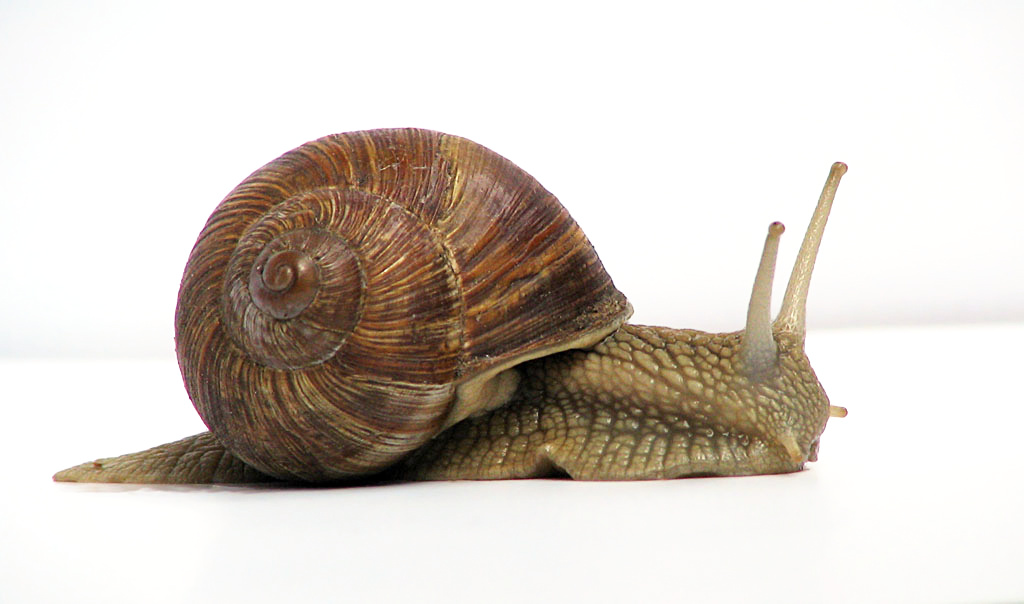


Anatomy and life habits
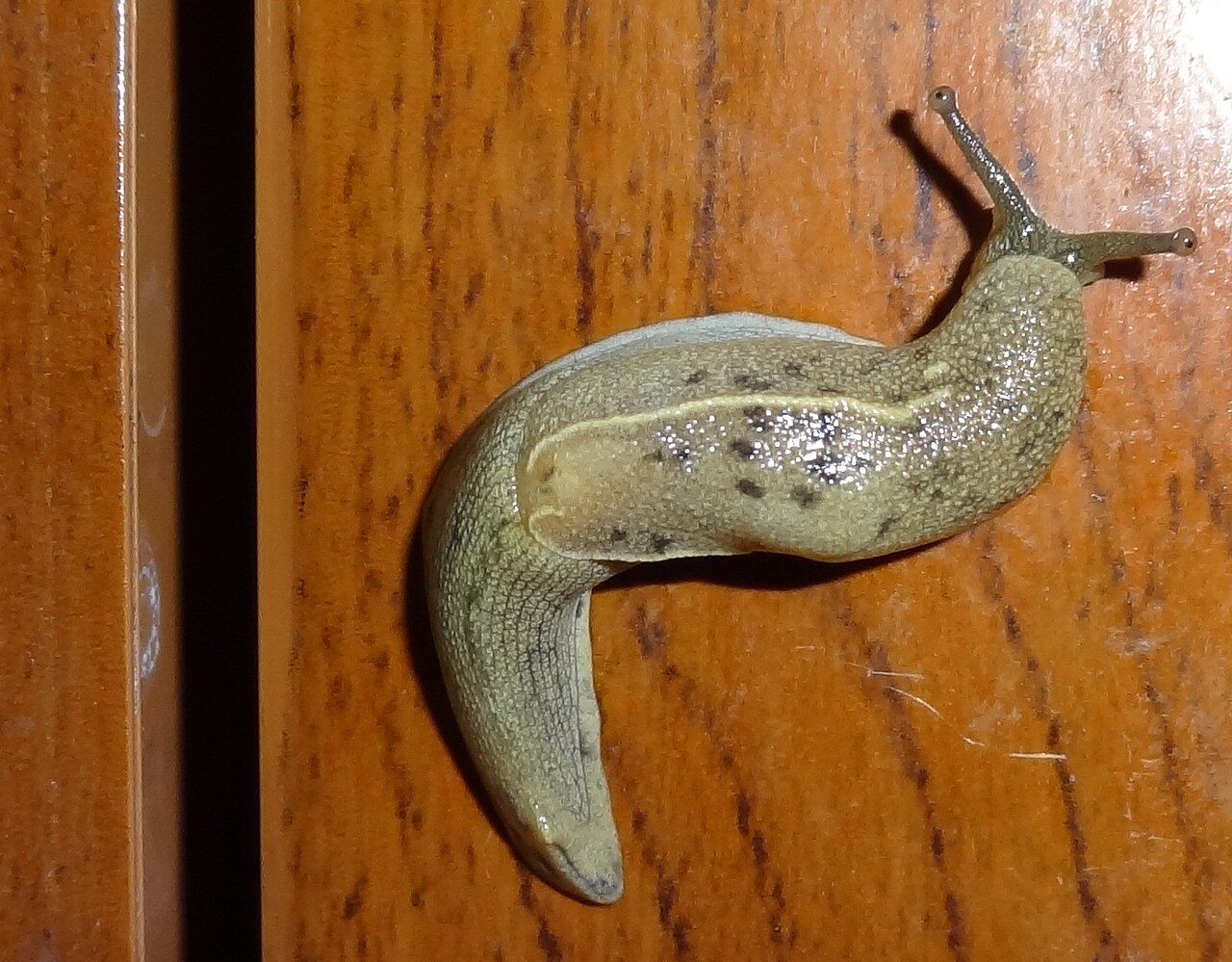
Most snails produce a single external shell into which the soft body can retract. The body plan includes a muscular foot used for locomotion, a head with sensory tentacles, and a radula — a ribbon of tiny teeth used for feeding. Terrestrial species commonly respire using a modified mantle cavity acting as a lung (pulmonate condition in many land snails), while many aquatic snails have gills. Historically a group called the Pulmonata gathered many air‑breathing forms and was prominent in traditional taxonomy, but modern studies show this grouping is polyphyletic, a result of convergent evolution of air‑breathing adaptations. As a consequence the term Pulmonata has been largely abandoned in current classification schemes.
Habitats, diets and diversity
Snails occur in three broad habitats: marine, freshwater and terrestrial. Contrary to common focus on land snails, most described species are marine, with vast radiations on reefs and the seabed; many others inhabit rivers and lakes. Diets range widely: many land species are chiefly herbivorous, grazing on plants, fungi and detritus, while aquatic taxa may be omnivores or predatory, feeding on other invertebrates, carrion or algal films. Globally there are tens of thousands of named snail species; conservative counts exceed 40,000 described taxa, with many more likely undescribed in remote habitats.
Evolution and classification
Gastropod evolution has produced multiple shell forms and respiratory systems. The repeated emergence of air‑breathing among different lineages illustrates convergent solutions to terrestrial life. Modern molecular phylogenetics has reshaped relationships, splitting and reassembling traditional groups. Researchers now combine anatomical and genetic data to place lineages within broader gastropod clades rather than relying solely on older orders.
Human uses and cultural significance
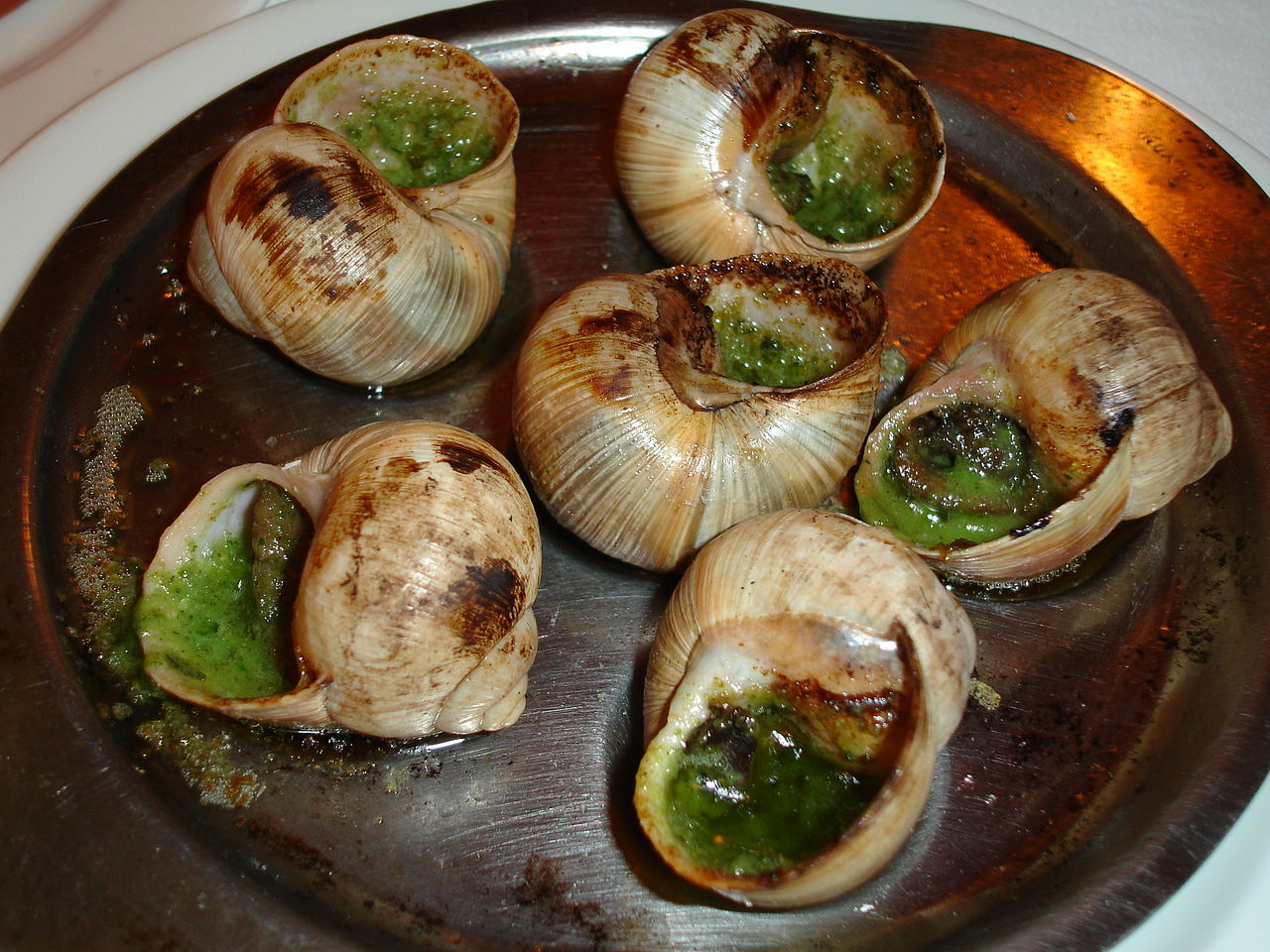
Snails have longstanding cultural and economic roles. In some cuisines they are considered delicacies — for example, in France the prepared dish known as escargot is well known, where snails are often boiled and served with butter, herbs and garlic sauces or other seasonings. In other regions, certain large land snails are farmed or collected for food, while some aquatic species are gathered for aquaria or for their shells. Snails also appear in folklore, art and education as accessible examples of invertebrate anatomy. At the same time, a few species are agricultural pests or invasive when introduced to new regions.
Notable species and facts
- The giant African land snails are among the largest terrestrial species and can reach substantial sizes compared with typical garden snails.
- Speed is relative: snails generally move slowly using muscular waves on the foot lubricated by mucus; even the more active species travel only short distances each day.
- Many freshwater and marine snails have important ecological roles, grazing algae, recycling detritus or serving as prey for fish, birds and mammals.
- Ongoing research into snail shells, radula structure and genetics helps scientists track evolutionary patterns and biodiversity — material summarized in diverse sources and databases (marine records, conservation lists and taxonomic catalogs).
For more on specific genera, anatomy, or identification guides, consult regional field guides and specialist literature (further reading), online taxonomic databases and museum collections, which document the substantial variety found within this familiar but ecologically significant group.
Questions and answers
Q: What is a snail?
A: A snail is a common name for a kind of mollusc with a coiled shell.
Q: How long have snails been around?
A: Snail fossils date back to the Carboniferous period.
Q: How do land snails and slugs breathe?
A: Land snails and slugs breathe with a kind of lung.
Q: What was the traditional taxonomic group for land snails and slugs?
A: The traditional taxonomic group for land snails and slugs was the Pulmonata.
Q: Are most snail species marine or terrestrial?
A: Most snail species are marine, although many can also be found in fresh water habitats.
Q: What do most land snails and slugs eat?
A: Most land snails and slugs are herbivorous, while aquatic ones usually feed on omnivores or predatory carnivores.
Q: What is the biggest known species of snail?
A: The giant African snail has the largest foot at up to 35 cm long.
Related articles
Author
AlegsaOnline.com Snail (gastropod): biology, diversity and human uses Leandro Alegsa
URL: https://en.alegsaonline.com/art/91293
Sources
- commons.wikimedia.org : Snails
- biomedcentral.com : biomedcentral.com/1471-2148/10/323
- snail-world.com : snail-world.com/snails-as-food/
- weichtiere.at : Die lebende Welt der Weichtiere – Erstaunliches über Schnecken
- applesnail.net : applesnail.net/content