
Herbivore (plant-eating animal)
Animals that primarily eat plant material. Overview of definitions, feeding categories, adaptations, ecological roles, examples and distinctions from omnivores and carnivores.
Overview
A herbivore is an animal whose diet consists mainly or exclusively of plant material. In biology the term distinguishes plant-eating species from carnivores (meat-eaters) and omnivores (mixed diets). For a concise definition see definition and scope. Herbivory occurs across many animal groups, from insects to large mammals, and shapes the structure and function of ecosystems.
Image gallery
8 Images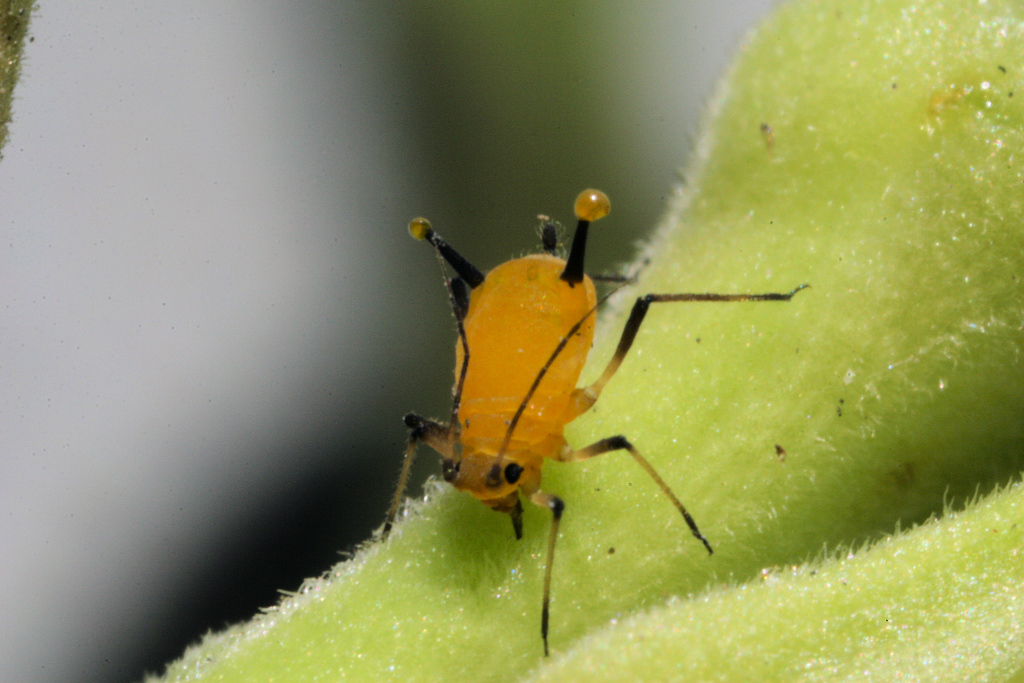




Key characteristics and adaptations
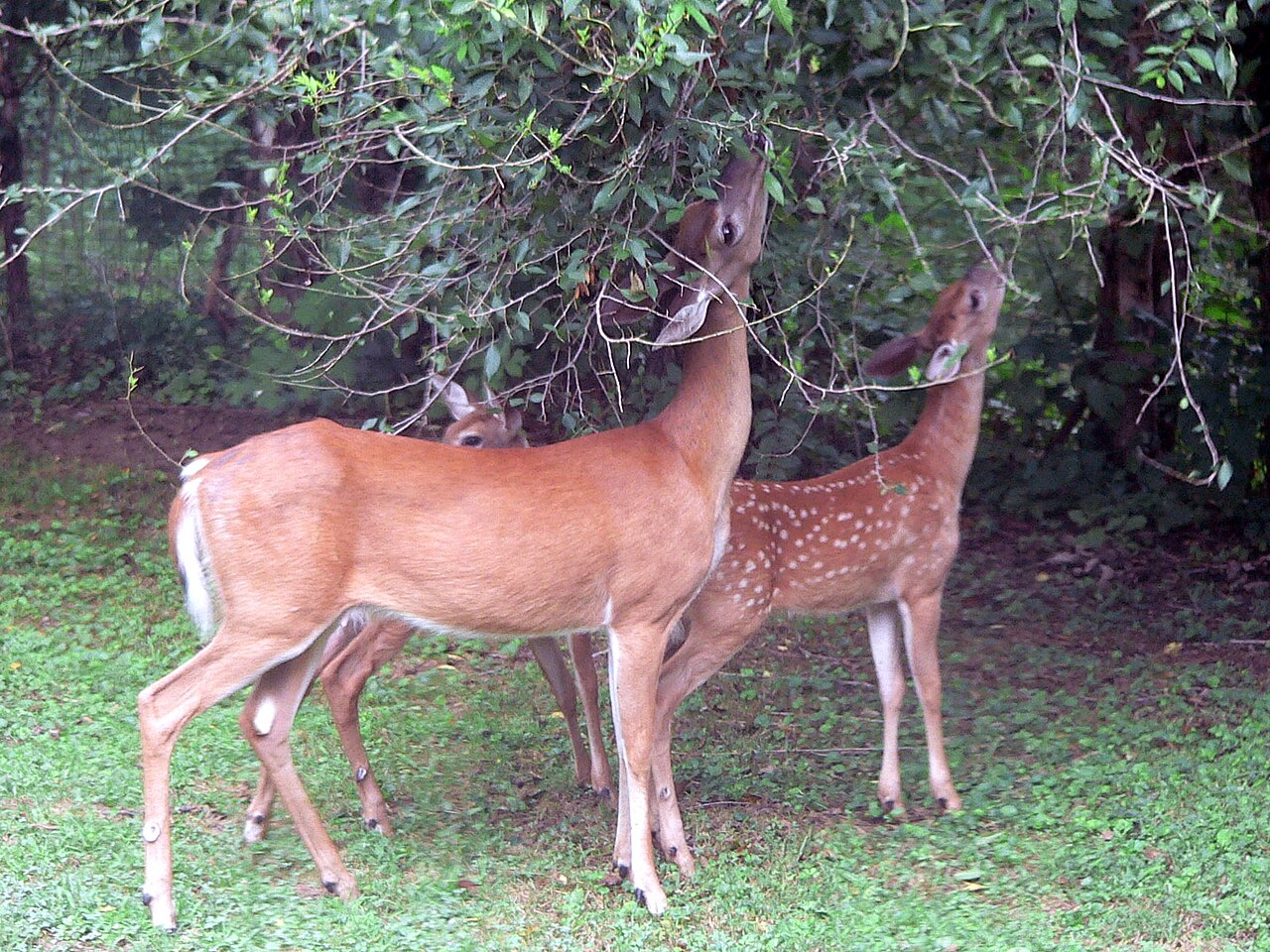
Herbivores exhibit physical and behavioral adaptations that allow them to obtain, process and extract nutrients from plants. Common adaptations include specialized teeth and jaws for cutting or grinding (dental adaptations), elongated digestive tracts, and microbial fermentation chambers such as the rumen in cattle. Well-known terrestrial examples include deer, elephants and horses. Many herbivores are associated with open vegetation like grasslands, but they also occupy forests, wetlands and other habitats.
Dietary categories
Plant-eating animals are often classified by the parts of plants they prefer. Frugivores eat mostly fruit (fruit feeders, sometimes called frugivores), browsers consume leaves and shoots (browsers), and grazers specialize on grasses (grass-eaters, often referred to as grazing animals). Some species switch food types seasonally or opportunistically; for example, they may take eggs or occasional animal protein when plant resources are scarce (eggs, animal protein) or shift to different plant species as seasons change (seasonal diets).
Ecological role and history
Herbivores play a central role in ecosystems by transferring energy from plants to higher trophic levels, influencing vegetation patterns, nutrient cycling and habitat structure. The evolutionary history of herbivory involves coevolutionary relationships, where plant defenses and herbivore counter-adaptations have shaped biodiversity over millions of years. Domestication of some herbivores has also had large effects on human societies and landscapes.
Examples, diversity and human relevance
Herbivory is widespread: insects such as caterpillars and locusts, many birds, some fish and most mammalian ungulates feed largely on plants. Humans are classified as humans who are generally omnivores, but cultural practices include vegetarianism and veganism, which emphasize plant-based diets. Livestock such as cattle, sheep and goats are herbivores that contribute to food systems, while wild herbivores are important for conservation and ecological balance.
Notable distinctions and facts
- Herbivores differ from browsers and grazers by preferred plant parts and feeding height.
- Physiological strategies vary: ruminants ferment plant fiber in foregut chambers, while hindgut fermenters digest cellulose in the caecum and colon.
- Some nominal herbivores show flexible diets, taking animal matter opportunistically.
For further reading and resources about specific groups, adaptations and conservation issues consult specialized sources and taxon-focused summaries (overview) or species pages such as those covering deer, elephants, horses and other herbivores.
Questions and answers
Q: What are herbivores?
A: Herbivores are animals that only eat plants.
Q: What are modern herbivores' teeth adapted to grind?
A: Modern herbivores' teeth are adapted to grind grass.
Q: What is the main present-day vegetation in most continents?
A: The main present-day vegetation in most continents is grassland.
Q: What are frugivores?
A: Frugivores are animals that eat mainly fruit.
Q: What do browsers eat?
A: Browsers eat mostly leaves and sometimes small tree branches.
Q: What are grazing animals?
A: Grazing animals are animals that eat mostly grass.
Q: What is the difference in diet among some herbivorous animals during different seasons in temperate zones?
A: In the temperate zones, some seasons are hot and some are cold, so different plants are available at different times of the year, causing a change in the diet of some herbivorous animals.
Q: What are humans considered?
A: Humans are considered omnivores because they eat plant food as well as meat.
Related articles
Author
AlegsaOnline.com Herbivore (plant-eating animal) Leandro Alegsa
URL: https://en.alegsaonline.com/art/43710
Sources
- dx.doi.org : "Effects of herbivores on grassland plant diversity"
- doi.org : 10.1016/s0169-5347(98)01364-0
- worldcat.org : 0169-5347
- dx.doi.org : "Herbivores safeguard plant diversity by reducing variability in dominance"
- doi.org : 10.1111/1365-2745.12821
- worldcat.org : 0022-0477
- worldcat.org : Change in dominance determines herbivore effects on plant biodiversity
- dx.doi.org : "Herbivore size matters for productivity-richness relationships in African savannas: Commentary on Burkepile et al . (2017)"
- doi.org : 10.1111/1365-2745.12745
- dx.doi.org : "Competition-defense tradeoffs and the maintenance of plant diversity"
- doi.org : 10.1073/pnas.1007745107
- worldcat.org : 0027-8424
- nature.com : "Stability criteria for complex ecosystems"