
Earthworm: anatomy, diversity, ecology and human uses
Overview of earthworms: segmented annelids that live in soil worldwide, their anatomy, diversity, life cycle, ecological roles, and interactions with humans.
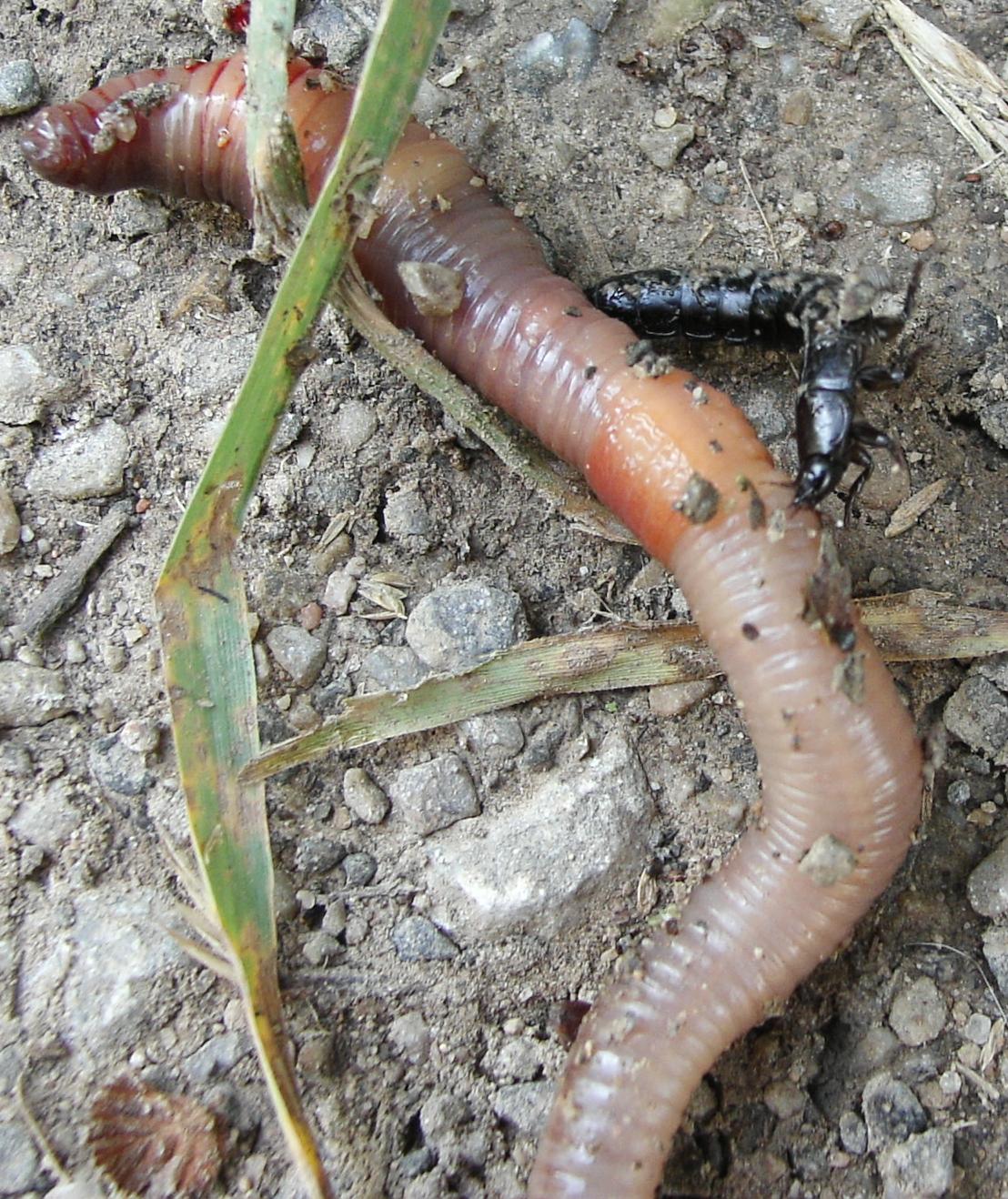
An earthworm is a soft-bodied invertebrate animal with an elongated, flexible body adapted for burrowing. As a member of the segmented annelids, it lacks limbs and uses muscular waves and tiny bristles to move rather than legs. Their moist skin permits gas exchange through the body surface, so they are most abundant in damp soils and organic-rich habitats.
Image gallery
10 Images



Anatomy and physiology
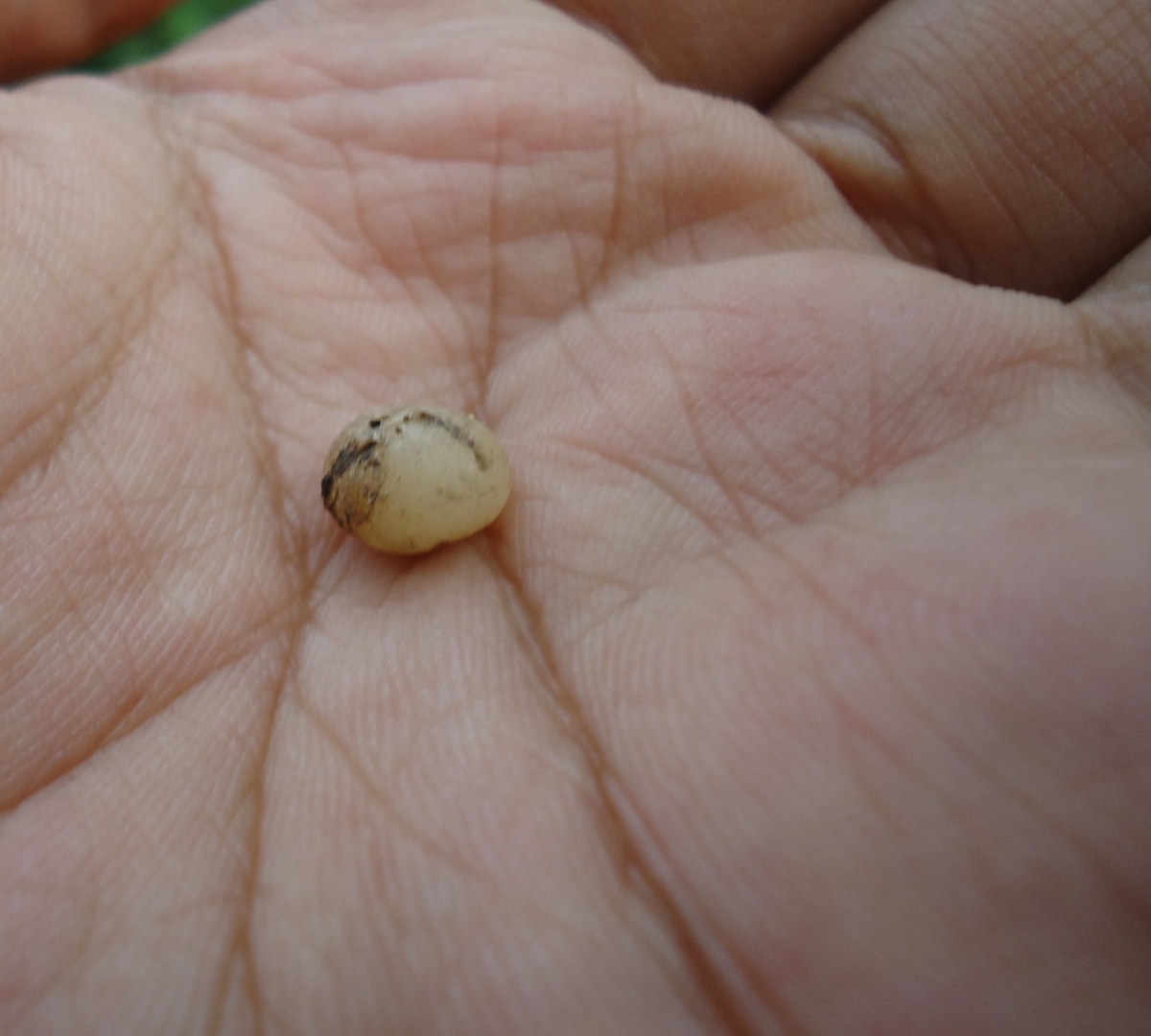
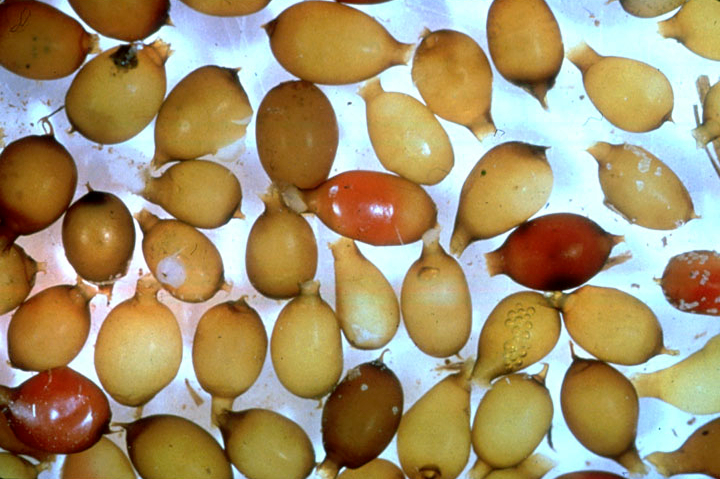
Earthworms possess a mouth and pharynx that ingest soil and decomposing organic matter. Food passes through a tubular gut with a crop for storage and a gizzard for mechanical grinding; digestion and nutrient absorption occur further along the intestine. Circulation is closed, with dorsal and ventral blood vessels, and a ventral nerve cord with segmental ganglia coordinates movement. Externally and internally the body is divided into repeating segments; many segments bear small chitinous setae that aid anchorage while others extend. Most earthworms are hermaphroditic and produce a clitellum that secretes a cocoon for developing eggs.
Diversity, size and distribution
There are many described species of earthworms worldwide; commonly cited estimates indicate about 5,500 known species placed in multiple families (often cited as 21 families depending on classification). Earthworms occur across much of the globe but are generally absent from permanently frozen polar regions and the driest deserts. Size varies widely: many temperate garden species extend to roughly 20–25 cm, while other groups include much smaller or occasionally very large species. One well known large species is the giant Gippsland earthworm of Australia, which commonly reaches substantial lengths and has been reported in exceptional cases to exceed two metres. In many parts of Europe and other temperate climates, smaller species dominate soils managed for agriculture and gardens.
Life cycle and regeneration
Earthworms typically reproduce by mutual exchange of sperm between mating partners and then laying eggs in a protective cocoon produced by the clitellum. Development happens within the cocoon and young worms hatch as miniature adults rather than passing through a larval stage. Some species can regenerate lost posterior segments when injury is limited; however, the extent of regeneration varies by species and severe damage, especially to anterior segments, is often fatal.
Ecological roles
Earthworms are regarded as ecosystem engineers because their burrowing and feeding alter soil structure, porosity and chemistry. By mixing organic material and mineral soil, they accelerate decomposition and promote nutrient cycling, benefiting plants and soil microorganisms. Their casts (excreted digested material) are nutrient-rich and change the distribution of organic matter in the upper soil layers. Because many species respond to soil conditions, earthworms are used as bioindicators in studies of soil health and contamination.
Human uses, impacts and conservation
Humans cultivate earthworms for vermicomposting to convert kitchen and garden waste into nutrient-rich castings, and anglers commonly collect certain species as bait. At the same time, introductions of non-native earthworms to regions without native populations have altered forest floor processes and plant communities in some ecosystems. Habitat loss, pollution and climate change can affect local populations, and conservation efforts benefit from understanding species-specific needs.
Taxonomic history and similar organisms
Early naturalists such as John Ray and Linnaeus grouped many wormlike animals together, but later research separated annelids from unrelated groups. For example, roundworms and flatworms belong to different phyla, and some superficially similar "worms" are actually insect larvae (the inchworm is a caterpillar) or vertebrates (the slow-worm is a legless lizard). Modern taxonomy uses anatomy, development and molecular data to place earthworms within annelid diversity.
- Key services: soil aeration, decomposition, nutrient turnover and structure improvement.
- Common uses: vermicomposting, bait, ecological monitoring and education.
- Conservation notes: invasive introductions and land-use change can have large ecological effects.
For additional, detailed information consult field guides and authoritative resources on soil fauna and annelid biology provided by museums, universities and environmental agencies. Relevant introductory material is available through educational pages on invertebrates and animal biology referenced above.
Questions and answers
Q: What is an earthworm?
A: An earthworm is an invertebrate animal with a long, stretchy body and no legs.
Q: How many species of earthworms are there?
A: There are 5,500 known species of earthworms in 21 families.
Q: Where are earthworms found?
A: Earthworms are found everywhere, except in polar or dry climates.
Q: What is the size range of earthworms?
A: Their sizes vary: they can be between two centimeters and about three meters in length.
Q: What is the biggest known earthworm and where is it found?
A: The biggest known earthworm is the giant Gippsland earthworm, found in Australia. It can grow up to about 3 meters in length.
Q: Can most earthworms regrow lost segments?
A: Yes, most earthworms can regrow lost segments assuming the worm has not had too much damage. This capability varies by species.
Q: What is the difference between earthworms, roundworms, flatworms, inchworms, and slow-worm?
A: Roundworms and flatworms are different phyla. Inchworms are a type of caterpillar, and the slow-worm is a legless lizard. They are all classified differently from earthworms.
Related articles
Author
AlegsaOnline.com Earthworm: anatomy, diversity, ecology and human uses Leandro Alegsa
URL: https://en.alegsaonline.com/art/29594