
Helix (genus of air-breathing land snails)
Helix is a genus of large terrestrial pulmonate snails native to Europe and the Mediterranean, known for species like H. aspersa and H. pomatia, edible escargots, distinct reproductive behaviour and fossil record.
Overview
Helix is a genus of relatively large, air-breathing land snails in the pulmonate gastropods. Members of this genus live on land and breathe with a lung-like mantle cavity rather than gills. They are native to Europe and regions around the Mediterranean but have been moved by humans to many other parts of the world. Two species commonly associated with the genus are the brown garden snail, often called Helix aspersa, and the Roman or Burgundy snail, Helix pomatia, which is widely known as an edible snail used for escargot. Fossils assignable to Helix appear in the fossil record from the Oligocene onward, indicating the group has an ancient presence in the European fauna.
Image gallery
10 Images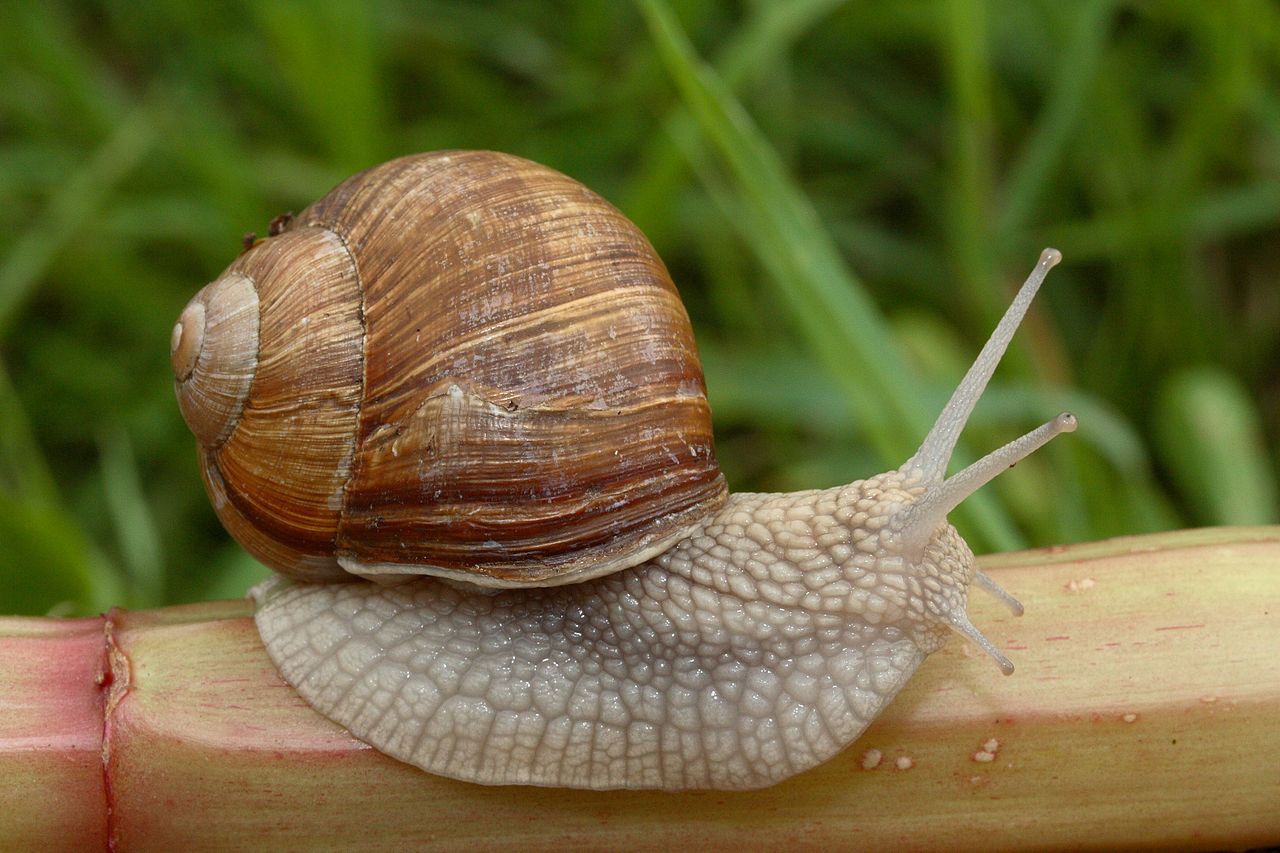




Characteristics and anatomy
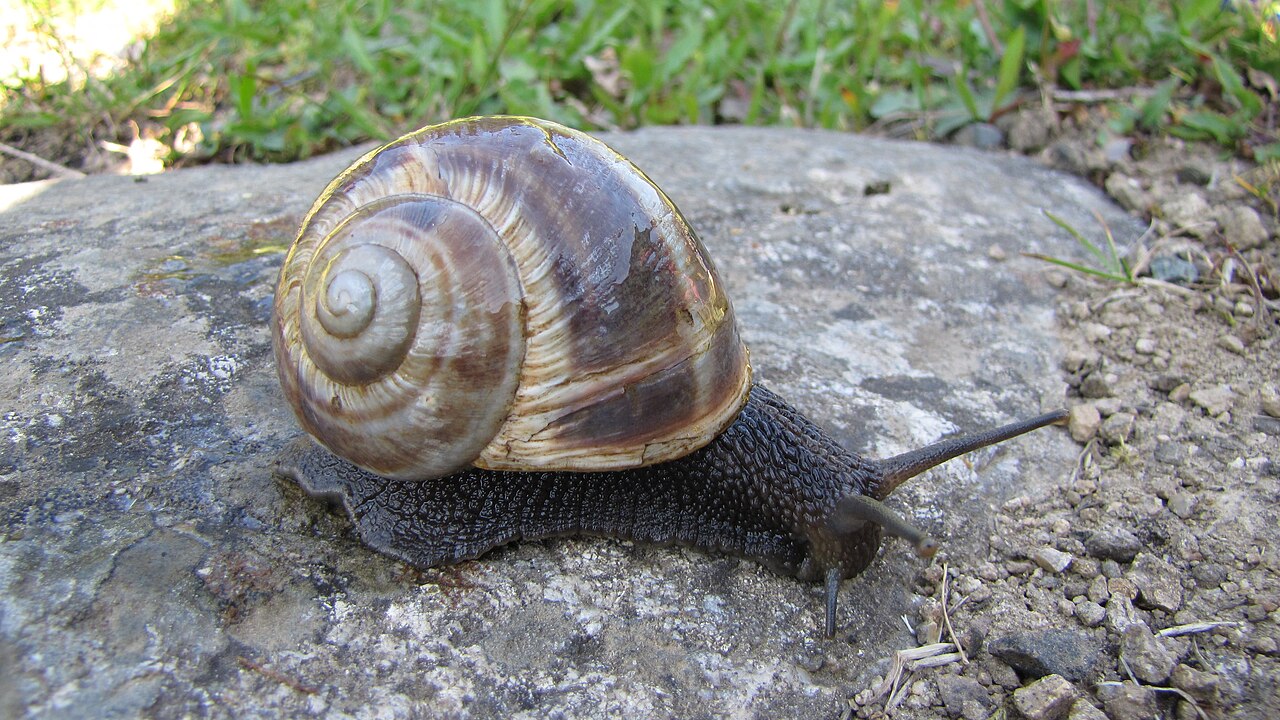
Helix snails typically possess a coiled, globular shell with several whorls and an operculum absent (they seal their aperture with mucus when needed). As pulmonates they have a vascularized mantle cavity functioning as a lung; this permits life on land and contributes to their nocturnal and crepuscular activity patterns, which help reduce desiccation. These snails feed with a radula, a ribbon-like structure lined with teeth, and most species are herbivorous, consuming a wide variety of plant material. Some Helix species host symbiotic bacteria in their digestive tract that assist in breaking down complex plant polysaccharides such as cellulose.
Behavior, reproduction and ecology
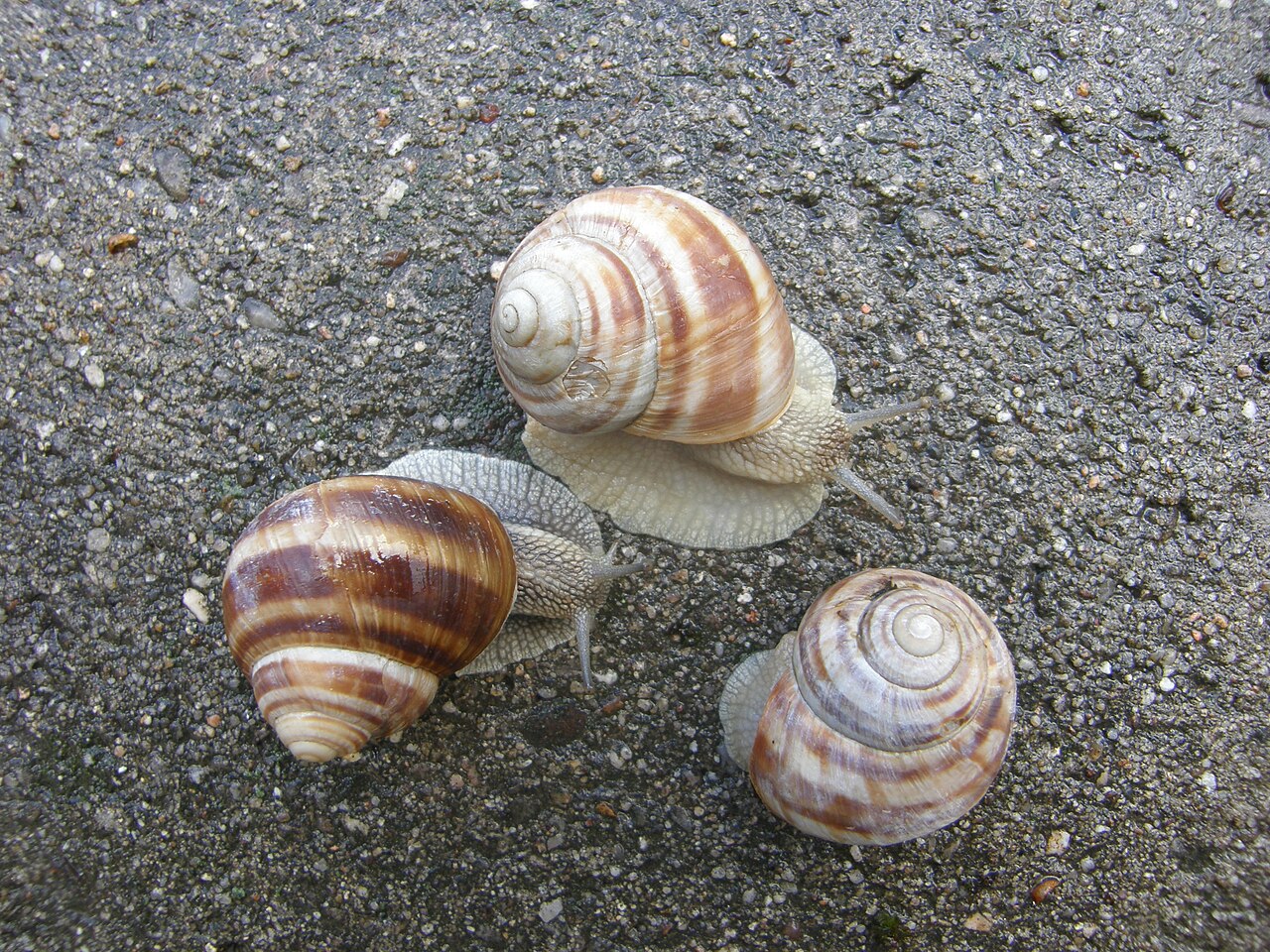
Helix snails prefer cool, damp microhabitats and are most active at night and after rain. They are susceptible to drying and will hide under stones, leaf litter or in crevices during hot or dry periods; in some climates they aestivate or hibernate when conditions are unfavorable. Reproduction is notable because many Helix species are hermaphroditic and use a unique courtship behaviour involving the creation and use of calcareous or chitinous "love darts" during mating, a trait found in several helicid snails and thought to influence fertilization success.
Distribution, human interaction and significance
Originally native to Europe and the Mediterranean basin, several Helix species have been introduced elsewhere by human activity, intentionally and accidentally. H. aspersa in particular has become a widespread garden pest in many temperate regions, feeding on tender garden plants and seedlings. Conversely, H. pomatia and related species have been collected and farmed for food in parts of Europe; they remain culturally and economically important as ingredients in traditional cuisine. Because of both pest status and culinary use, Helix snails are often subjects of management, conservation and farming discussions.
Notable distinctions and conservation
Within the broader family of land snails, Helix is distinguished by shell shape, size and reproductive habits such as dart use. Some species are common and adaptable, while others occupy restricted ranges and may be vulnerable to habitat loss and collection. Their presence in archaeological and paleontological contexts also provides information about past climates and human diets. Control measures aimed at pest populations range from cultural and mechanical methods to biological and chemical approaches, but such measures must balance non-target effects and conservation concerns.
Further information and resources
- Taxonomic overview and classification
- Pulmonate gastropod biology
- General gastropod reference
- Fossil record and geological context
- European distribution and habitats
- Mediterranean region studies
- Information on Helix aspersa
- Information on Helix pomatia
- Habitat and sheltering behaviour
- Adaptations to dry climates
- Urban and artificial water sources
- Feeding ecology and diet
- Examples of plant hosts
- Common garden plant interactions
- Symbiotic gut bacteria studies
- Cellulose digestion in land snails
Questions and answers
Q: What is the genus of large air-breathing land snails?
A: The genus of large air-breathing land snails is Helix.
Q: Where are Helix snails native to?
A: Helix snails are native to Europe and regions around the Mediterranean Sea.
Q: What are some examples of species in this genus?
A: Some examples of species in the Helix genus include Helix aspersa, the common or brown garden snail, and Helix pomatia, also known as the Roman snail, Burgundy snail, or edible snail.
Q: How do snails in this genus mate?
A: Snails in this genus create and use love darts during mating.
Q: What type of environment do they prefer?
A: Helix snails prefer cool, damp environments as they easily get dry.
Q: When are these creatures most active?
A: Snails are most active at night and after rainfall.
Q: What type of diet does the common garden snail have? A: The common garden snail (Helix aspersa) is herbivorous; it can digest most vegetation including carrots and lettuce with help from a specialized crop of symbiotic bacteria that break down cellulose into simple sugars for digestion.
Related articles
Author
AlegsaOnline.com Helix (genus of air-breathing land snails) Leandro Alegsa
URL: https://en.alegsaonline.com/art/43370