
Gunmetal (red brass): composition, properties, history and uses
Gunmetal, a type of bronze often called red brass, is a copper‑based alloy prized for castability, corrosion resistance and bearing properties; historically used for cannons and many cast components.
Overview
Gunmetal is a copper‑based alloy commonly classified as a form of bronze. It combines copper with tin and a smaller amount of zinc to produce a material that balances strength, toughness and ease of casting. The term appears in older sources and in some regions as red brass, while its common name recalls one of its original major uses: ordnance and gun manufacture. For general reference see alloy and the broader family of bronze.
Image gallery
1 Image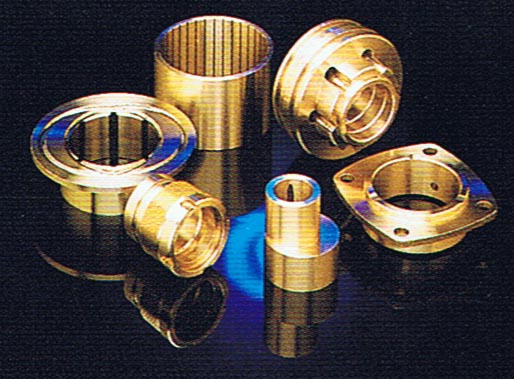
Composition and characteristics
Typical gunmetal contains a high proportion of copper with tin and zinc as principal alloying elements. A frequently cited formulation is roughly 88% copper, 8–10% tin and 2–4% zinc, though exact ratios vary by specification and intended use. The copper base provides electrical and thermal conductivity and a warm reddish color; copper and tin form the bronze matrix, while small amounts of zinc improve fluidity of the melt and some mechanical properties.
Performance and working properties
Gunmetal is valued for being readily cast into complex shapes and for good machinability on lathes and other tools. It resists corrosion from seawater and steam better than many ferrous metals, which historically made it useful for marine fittings and steam engines. Its combination of toughness and low friction makes it suitable for bearings, bushings and gears. For practical notes see materials on casting, machining and corrosion resistance.
History and origin of the name
The name "gunmetal" derives from its early and widespread use in casting artillery and gun components. In the age before widespread use of steel, bronze alloys offered a reliable combination of strength, toughness and resistance to explosive stress; for background on that era see sources on cannons and the later transition to steel for modern firearms. Though firearms manufacturing shifted to steel, gunmetal remained important for industrial castings.
Common uses and examples
Today gunmetal is used for a range of cast and machined parts: valves and valve bodies, pump and hydraulic components, gears, marine hardware, bearings and decorative objects such as statues and plaques. It is also chosen for small items like buttons, clock parts and fittings where a durable, attractive finish is desired. Typical industrial applications include steam and hydraulic castings and precision valves, while mechanical uses include gears and ornamental statues.
Distinctions and notable facts
Gunmetal is distinct from common brasses (which have higher zinc) and from pure bronzes (which may omit zinc). It develops a patina over time, which can be protective and visually desirable. Designers choose gunmetal when a combination of castability, corrosion resistance and bearing performance is required, while recognizing that high‑strength steel alloys surpass it in tensile strength for many structural or high‑pressure applications.
Related articles
Author
AlegsaOnline.com Gunmetal (red brass): composition, properties, history and uses Leandro Alegsa
URL: https://en.alegsaonline.com/art/41429
Sources
- diracdelta.co.uk : "Gunmetal"