
Statue: types, materials, history, and cultural roles
A statue is a three-dimensional representation—often human or animal—created in various materials and scales to commemorate, decorate, or express ideas; this article explains forms, history, and uses.
A statue is a three-dimensional representation, most commonly of a person but sometimes of an animal or an abstract figure. In broad terms a statue is a type of sculpture; it exists in the round and is intended to be viewed from multiple sides. The simplest definition — a likeness or model of somebody or something — is often used in introductory descriptions and educational texts (person or animal). Statues range from small tabletop figures to massive outdoor monuments and can be made in many substances such as stone, bronze, clay, or wood.
Image gallery
10 Images


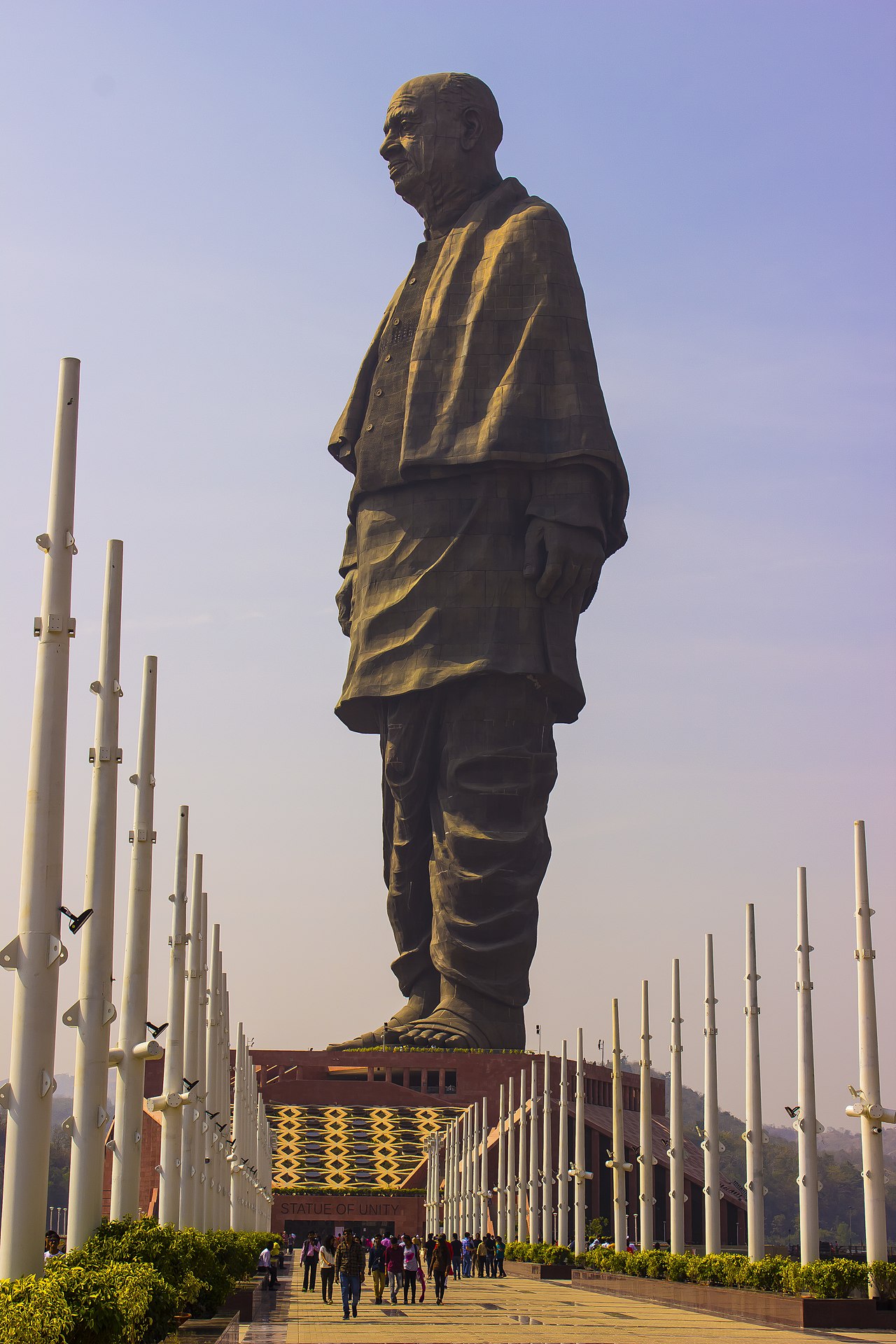
Characteristics and common parts
Statues may be full-figure, partial or symbolic. A bust represents the head and shoulders only, while a full-figure statue shows the entire body. A very large statue may be called a colossus. When a person is depicted seated on or riding a horse the work is known as an equestrian statue. Many statues are fixed to a base: the lower support is usually called a plinth or pedestal. Carved inscriptions, plaques or carved lettering that identify the subject or commemorate an event are known as an epigraph or inscription.
Materials and techniques
Different materials have shaped how statues look and endure. Common approaches include carving (especially in stone and wood), modeling (for clay and plaster), casting (for metals such as bronze), and assembling (in modern mixed-media work). Typical materials and their practical traits include:
- Stone — durable, used for formal monuments and ancient public works.
- Bronze — cast metal prized for fine detail and outdoor longevity.
- Clay — versatile for modeling and preparatory maquettes; often fired to make ceramic pieces.
- Wood — warm and expressive but vulnerable to decay; widely used for indoor or sheltered sculptures.
History and development
Statues have a long history across world cultures. Ancient civilizations used carved or cast figures for religious rites, commemoration and propaganda. Over centuries styles and techniques evolved: from idealized classical figures to life-like portraiture, to the monumental public works of modern nations. Statues often embody civic memory: for example, a statue may honour a ruler such as Alfred the Great (example) or symbolize political values, as with the famous Statue of Liberty in the United States. Public tastes and technologies — including bronze casting, stone cutting, and contemporary fabrication methods — have shaped how and where statues appear.
Uses, meanings and controversies
Statues serve diverse functions. They act as memorials to individuals or events, markers of religious devotion, expressions of civic pride, tourist attractions, and works of public art. Because statues convey symbolic meaning, they can also become focal points for debate and protest when social values change; communities sometimes remove, relocate or reinterpret existing monuments. Statues may commemorate an event or express a shared idea (event or idea), and their presence in a public space often reflects historical choices that are reassessed over time.
Conservation and restoration are important for older works, while contemporary artists continue to experiment with scale, materials and interactive designs. Whether modest or monumental, statues remain a prominent way societies record memory, convey identity and shape public space.
For further examples and resources consult collections, museum catalogs and public-art databases; specialist pages and catalogues can be found through institutional links and archives (definition, sculpture resources, stone techniques, bronze casting, clay modeling, wood carving, historical examples, commemorative practices, notable monuments).
Related articles
Author
AlegsaOnline.com Statue: types, materials, history, and cultural roles Leandro Alegsa
URL: https://en.alegsaonline.com/art/93571