
Valve: types, design, operation and applications
An overview of valves — devices that regulate, stop or direct flow of fluids. Covers main types, key components, operation modes, common uses, selection factors and basic maintenance.
A valve is a mechanical device used to control the flow and pressure of a fluid — broadly defined to include liquids, gases, slurries and fluidized solids — within a pipeline, vessel or machine. Valves can stop, start, throttle or divert flow and may act as safety devices that protect systems from overpressure. For general background see definition and basics and for flow control principles consult flow control basics.
Image gallery
10 Images
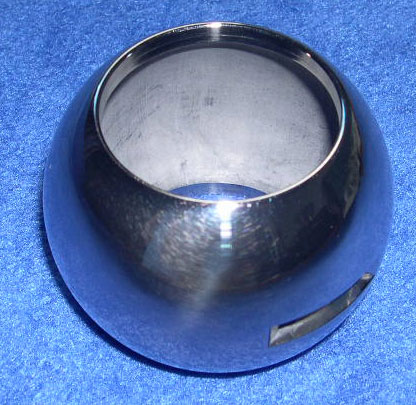


Common types and their roles
Valves are classified by design and function. Familiar examples include:
- Gate valve — primarily used for on/off isolation; low resistance when fully open. See gate valve details.
- Globe valve — suitable for throttling and control because of its flow path; more pressure drop than a gate valve. See globe valve information.
- Ball and plug valves — quarter-turn devices that offer tight shutoff and fast operation.
- Butterfly valve — compact quarter-turn valve used for large-diameter pipelines and low-pressure systems.
- Check valve — prevents reverse flow automatically.
- Safety/relief valve — opens automatically to release excess pressure; essential for protection. Refer to safety valve guidance.
Construction and operation
Most valves share common parts: a body, bonnet or cover, an internal closure element (disc, ball, plug, wafer), a stem connecting the closure to the actuator, seals or seats, and a means of actuation. Actuation methods include manual handles/wheels, electric motors, pneumatic cylinders, or hydraulic actuators. Materials vary by application and include brass, bronze, stainless steel, carbon steel and specialty alloys; material guidance is available at materials and selection.
Applications and selection factors
Valves appear across residential plumbing, water treatment, oil and gas, chemical processing, power generation and HVAC. Choosing a valve requires assessing media type, temperature, pressure, required tightness, frequency of operation, size, maintenance needs and cost. Typical selection criteria are listed below:
- Compatibility with the fluid and temperature
- Pressure rating and leak-tightness
- Flow characteristics and allowable pressure drop
- Actuation method and automation needs
- Maintenance access and expected service life
Maintenance, standards and notable distinctions
Regular inspection and maintenance extend valve life: check sealing surfaces, stems, packing, and actuators; exercise valves periodically to prevent sticking. Many industries follow standards for pressure ratings, testing and markings — consult relevant codes for installation and testing. For installation and piping practices see installation guidance, and for maintenance standards see inspection and testing. Additional technical resources are available at further reading.
Related articles
Author
AlegsaOnline.com Valve: types, design, operation and applications Leandro Alegsa
URL: https://en.alegsaonline.com/art/104116