
Bronze: the Copper‑Tin Alloy — Composition, History, and Uses
Bronze is a family of copper alloys, typically alloyed with tin, prized for strength, corrosion resistance and castability. This article summarizes composition, types, history, properties and common uses.
Bronze is a class of metal alloys formed primarily from copper combined with one or more other elements. Most familiar bronzes are copper‑tin alloys: mixing copper with tin (commonly in the single‑digit to low‑tens of percent range) produces a material that is harder and more durable than pure copper while remaining readily castable.
Image gallery
10 Images


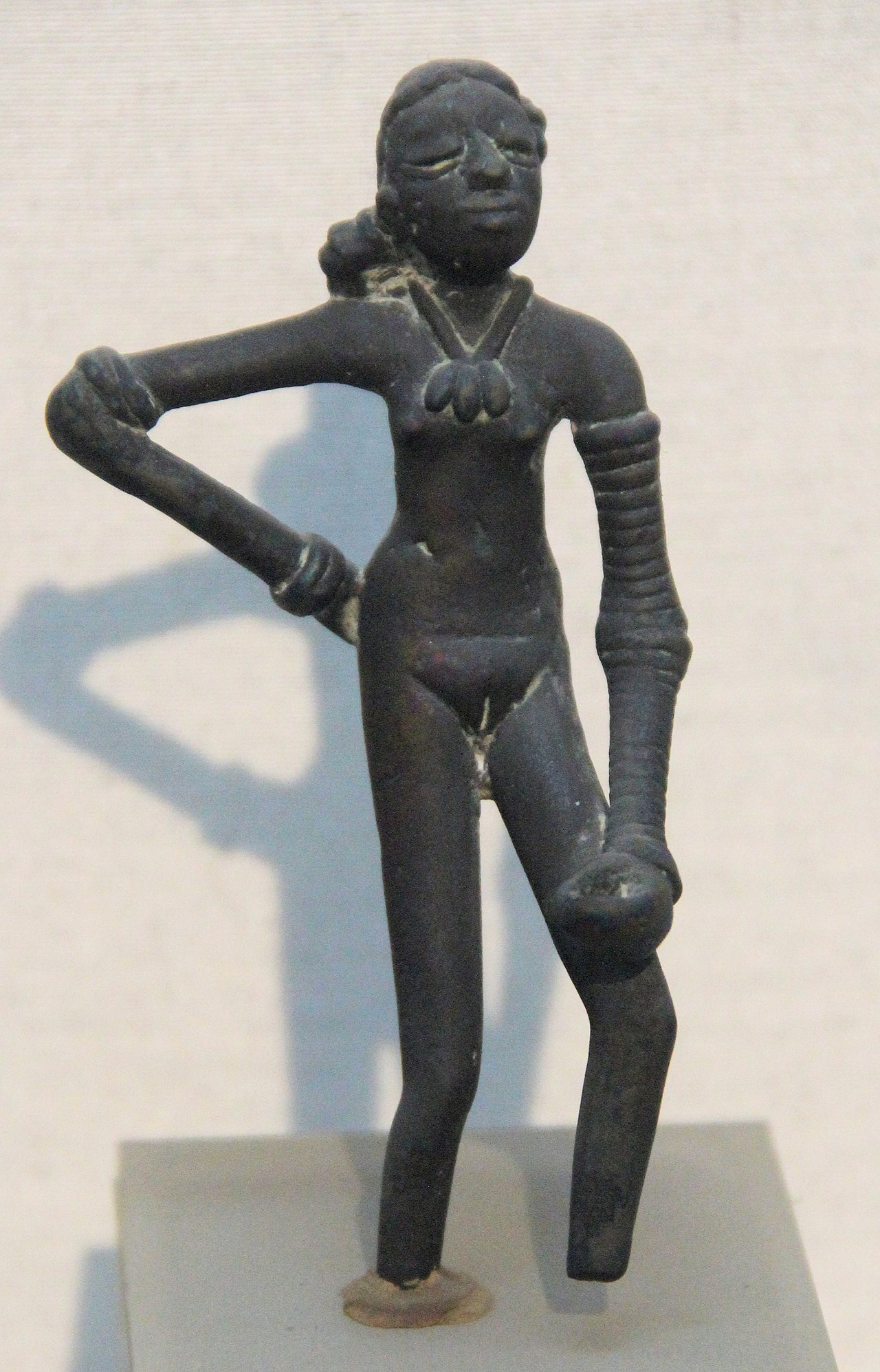

Composition and properties
As an alloy, bronze shows a mix of mechanical and chemical traits that make it useful across many applications. Typical features include good corrosion resistance (often developing a protective patina), favorable bearing and friction behavior, good acoustic resonance for bells and musical instruments, and strong casting characteristics. Some bronzes are readily machinable, while others are optimized for wear resistance or strength.
Types of bronze
- Phosphor bronze — contains phosphorus for improved springiness and wear resistance.
- Leaded bronze — small lead additions improve machinability.
- Aluminum bronze — aluminum raises strength and corrosion resistance, especially in marine environments.
- Silicon bronze — silicon enhances strength and casting detail while maintaining corrosion resistance.
History and development
The widespread use of bronze marks a major technological phase in many ancient societies often called the Bronze Age, when metalworking allowed communities to produce harder tools, weapons and ornamental objects. The transition to bronze technology began in the third millennium BCE in parts of the Near East and spread to Europe, Asia and Africa, enabling new craft specializations and trade in raw materials such as tin and copper.
Uses and distinctions
Bronze has long been chosen for sculpture, coins, bells, gears, bearings, marine fittings and musical instruments because of its combination of strength, castability and resistance to corrosion. It should not be confused with brass, which is an alloy of copper and zinc and typically has different color, mechanical and corrosion properties. Modern metallurgy continues to refine bronze alloys for specific tasks, and many bronze objects are readily recycled without loss of essential properties.
For further reading, follow introductory resources on metals and alloys available through general metalworking references and museum collections that document Bronze Age artifacts and metallurgical examples.
Questions and answers
Q: What is bronze made of?
A: Bronze is mostly composed of copper and a small amount of tin.
Q: Why is tin added to bronze?
A: Tin is added to bronze to make it stronger.
Q: What is an alloy?
A: An alloy is a mixture of two or more metals.
Q: What are some other types of bronze?
A: Other types of bronze include aluminum bronze, leaded bronze, silicon bronze, and phosphor bronze.
Q: How does bronze differ from brass?
A: Bronze is an alloy made of copper and tin, while brass is an alloy made of copper and zinc.
Q: How much tin is usually added to bronze?
A: Usually between 5% and 20% tin is added to bronze.
Q: What is the main component of bronze?
A: Copper is the main component of bronze, with a small amount of tin added.
Related articles
Author
AlegsaOnline.com Bronze: the Copper‑Tin Alloy — Composition, History, and Uses Leandro Alegsa
URL: https://en.alegsaonline.com/art/14691