
Casting
Processes and meanings of casting: making objects by pouring into molds, assigning performers to roles, medical plaster casts, fishing casts, and type conversion in computing.
Overview
Casting is a broad term that refers to several different processes in manufacturing, the arts, medicine, sport and computing. In a general sense it denotes forming something by pouring a liquid or pliable material into a mold, or selecting and assigning people to roles. Context determines the practical methods, tools and concerns associated with the word.
Image gallery
4 Images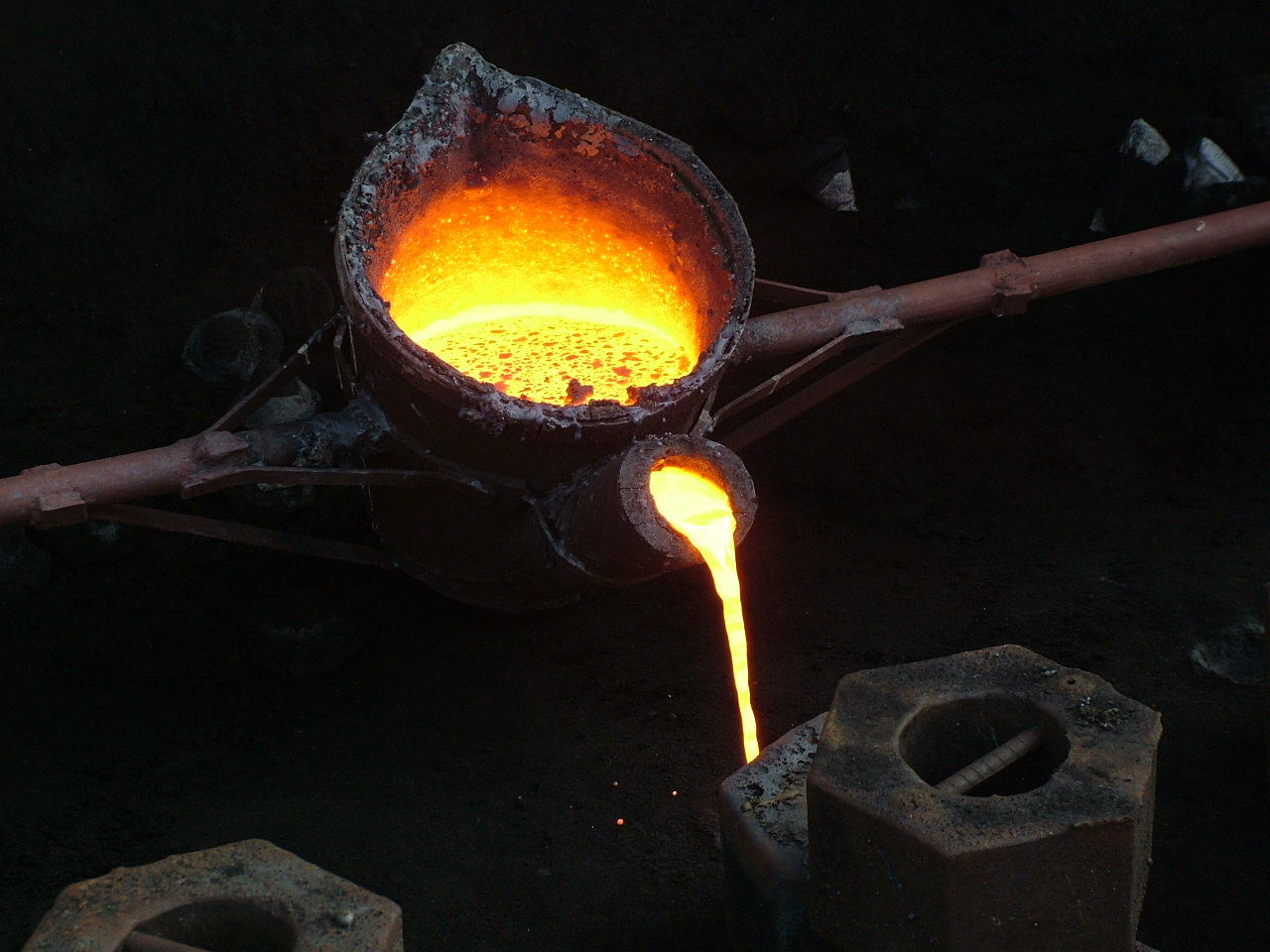


Manufacturing and metalworking
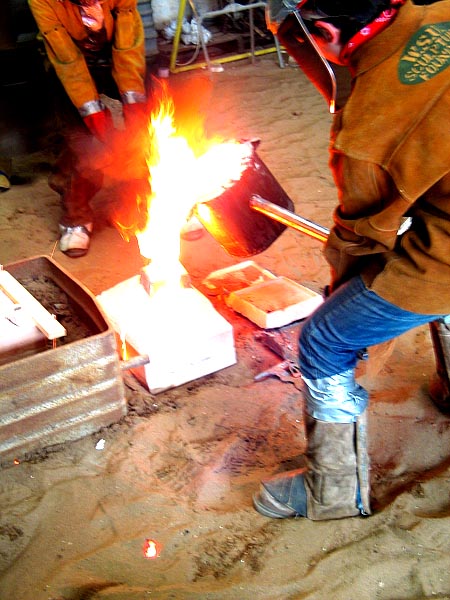
In industry, casting means shaping metal, plastic or other materials by filling a mold and allowing the material to solidify. Common techniques include sand casting, die casting, investment (lost-wax) casting and centrifugal casting. Cast parts range from small jewelry pieces to engine blocks and sculpture. Key considerations are mold design, shrinkage allowance, surface finish, and common defects such as porosity and cold shuts.
Arts and jewelry
Artists and jewelers use casting to reproduce complex forms and fine detail. The lost-wax process is longstanding: a wax model is surrounded by an investment, the wax removed, and molten metal poured into the cavity. Casting allows reproduction of multiple copies and the creation of shapes that would be difficult to machine.
Performance casting
In theater, film and television, casting refers to choosing performers for roles. Casting directors organize auditions or calls, consider type, chemistry and range, and assemble the cast for a production. "Typecasting" describes repeatedly assigning similar roles to the same performer.
Medicine, sport and computing
Medical casts (plaster or fiberglass) immobilize broken bones during healing. In fishing, casting is the act of propelling bait or a lure into water by using a rod and line. In computer science "type casting" means converting data from one type to another (for example, integer to floating point), with distinctions such as implicit/explicit and static/dynamic casting.
Distinctions and safety
Casting differs from forging and machining: it builds shapes from liquid feedstock rather than deforming or removing material. Industrial casting involves high temperatures and molten materials, so safety, ventilation and environmental controls are important to manage burns, fumes and waste molds.
Author
AlegsaOnline.com Casting Leandro Alegsa
URL: https://en.alegsaonline.com/art/17514