
Corrosion: Causes, Types, Prevention, and Significance
Corrosion is the chemical or electrochemical degradation of materials. This article explains mechanisms, common forms, influencing factors, prevention techniques, history, and distinctions like rust and passivation.
Overview
Corrosion is the deterioration of a material resulting from its interaction with the surrounding environment. In many contexts it refers to the chemical or electrochemical reactions that change a material's composition and properties. Corrosion most commonly affects metals, but non‑metallic materials can also degrade. The underlying cause is a chemical reaction that transfers mass or charge between the object and its environment — for example combining with oxygen in air or with other molecules.
Image gallery
10 Images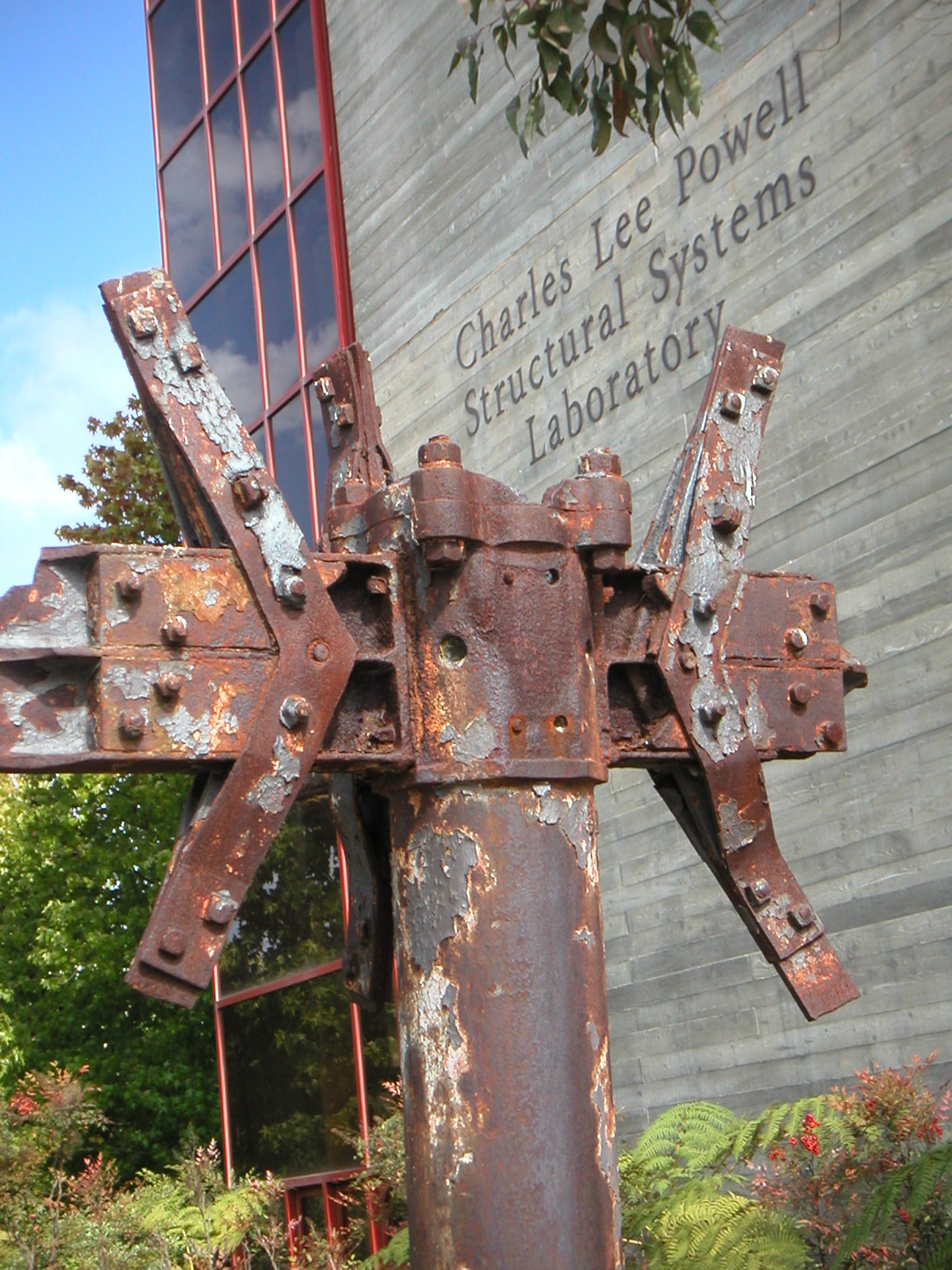


Mechanisms and common types
Several distinct processes are grouped under the term corrosion. Typical forms include:
- Uniform corrosion — general thinning over a broad surface when exposed to moisture or water.
- Galvanic corrosion — accelerated attack where two dissimilar metals are electrically connected in an electrolyte.
- Pitting and crevice corrosion — highly localized holes or fissures often promoted by chloride ions or stagnant solutions.
- Stress corrosion cracking — crack growth from the combined action of tensile stress and a corrosive environment, sometimes from acidic or basic agents.
- High‑temperature oxidation — formation of oxide layers at elevated temperatures; in some cases these compact oxide glazes (glazes) can alter wear behaviour.
- Microbiologically influenced corrosion — caused or accelerated by microbial activity.
Factors that influence corrosion
Environmental and material properties determine how quickly corrosion proceeds. Key factors include the presence of oxygen and air, moisture or water, salts (especially chlorides), pH (acids and bases), temperature, electrical connections, and mechanical stress. Some metals, like stainless steel, form a thin passive oxide layer that slows further attack. Others, such as ordinary iron, undergo rusting, producing flaky iron oxides that do not protect the metal.
Prevention, mitigation and design
Controlling corrosion is central to safety, durability and economy. Common approaches include:
- Material selection — using corrosion‑resistant alloys or non‑metallic materials.
- Coatings and surface treatments — plating, paints, varnishes and conversion coatings to isolate the substrate from the environment.
- Cathodic protection — employing sacrificial anodes or impressed current systems to make the protected metal the cathode.
- Corrosion inhibitors — chemical agents added to service fluids to reduce reactivity.
- Design measures — avoid crevices, enable drainage, and prevent dissimilar metal contacts that promote galvanic cells.
These measures can be combined; for example a steel structure may be painted, fitted with sacrificial anodes and inspected routinely to limit degradation.
History, significance and examples
People have recognized corrosion since antiquity, noting how metals and stone weather over time. Industrialization increased exposure to corrosive environments and highlighted the economic and safety consequences of failure. Corrosion leads to loss of structural strength, leaks in pipelines, electrical failures, and contamination. Because of this, engineering standards, inspection regimes and maintenance practices focus heavily on mitigating corrosion across sectors such as marine, petrochemical, infrastructure and transportation.
Distinctions and notable facts
Corrosion is related to but distinct from erosion: corrosion is chemical or electrochemical breakdown, whereas erosion normally refers to mechanical wear. Some materials withstand corrosion by forming protective films — a phenomenon called passivation — while others are protected by sacrificial layers that corrode in their place (for example zinc on iron). When iron corrodes in air and moisture it produces what is commonly called rust, but not all corrosion produces rust. Practical control combines science, material science and regular maintenance to manage the inevitable interactions between materials and their environments. For further technical reading see general references on corrosion science and engineering: materials, reaction theory and specialized standards and handbooks (molecular behaviour, metal properties, oxide films, surface treatments, stainless grades). Additional resources address inspection methods and case studies (atmospheric, aqueous, chemical, mechanical, historical).
Note: Practical prevention requires site‑specific assessment; professionals evaluate environment, loading, materials and life‑cycle costs when specifying corrosion control.
Related articles
Author
AlegsaOnline.com Corrosion: Causes, Types, Prevention, and Significance Leandro Alegsa
URL: https://en.alegsaonline.com/art/23239