
Tin (chemical element)
Tin is a silvery metal (symbol Sn, atomic number 50) used in alloys, solder and coatings. It has distinctive allotropes, a long history from the Bronze Age, and modern roles in electronics and corrosion protection.
Overview
Tin is a metallic chemical element with the symbol Sn (from the Latin stannum) and atomic number 50. It belongs to the carbon family, appearing in Group 14 of the periodic table. Tin is a malleable, silvery-white metal notable for its resistance to corrosion and its relatively low melting point compared with many other metals.
Image gallery
10 Images


Characteristics
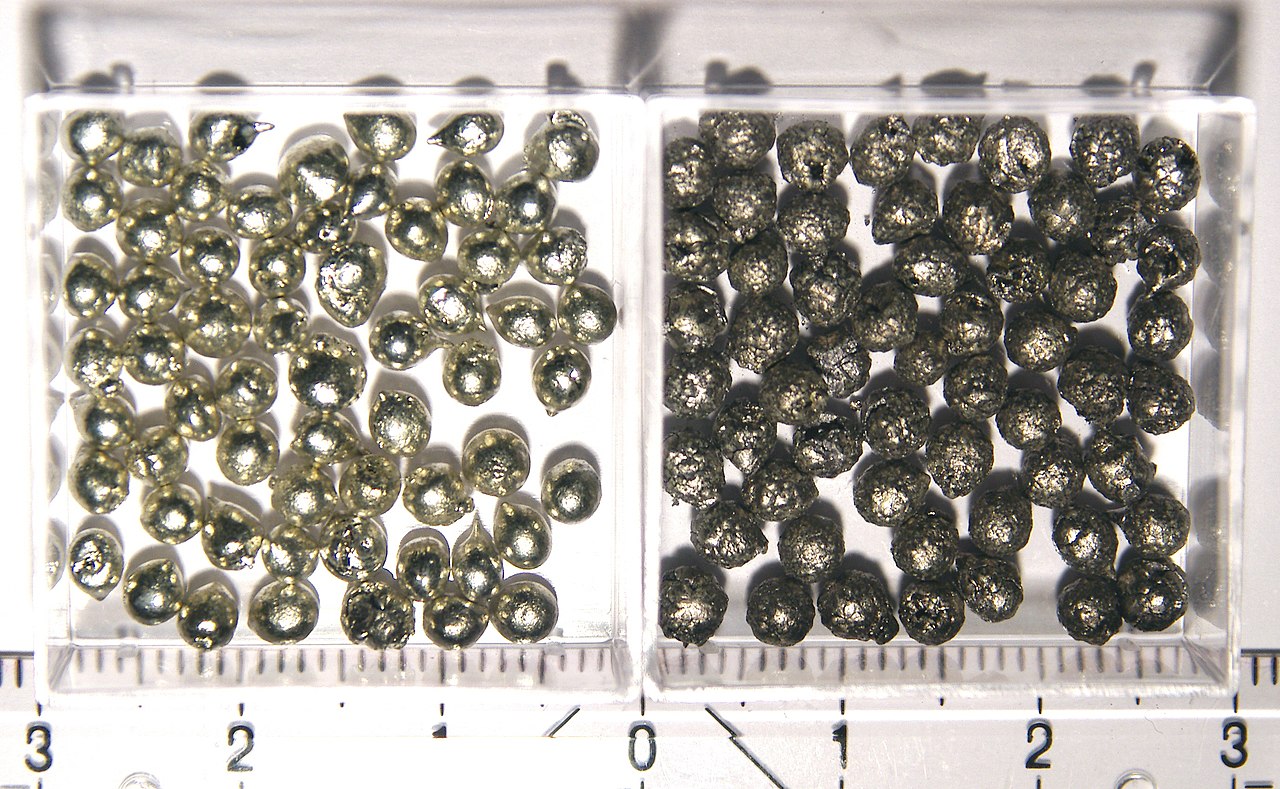
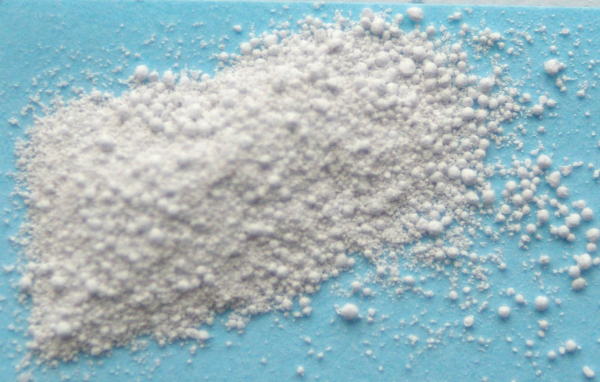
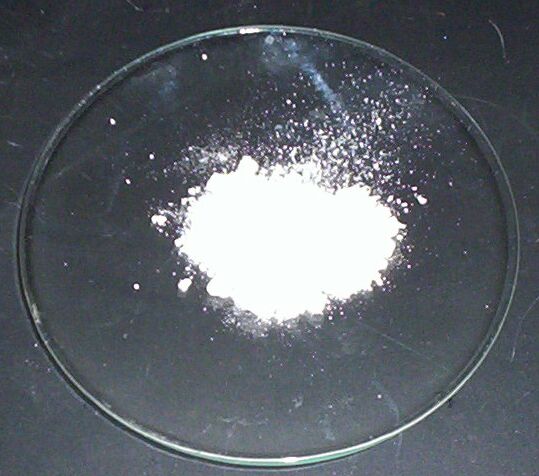
Tin exhibits distinct physical and chemical behaviour that makes it valuable in many applications. It is soft and ductile in its common metallic form and readily forms alloys with copper, lead and other metals. Tin can form stable oxides and salts; powdered tin oxidizes slowly in air while bulk tin develops a protective oxide layer that limits further corrosion.
- Allotropes: Tin has different structural forms, historically termed "white tin" (metallic) and "gray tin" (a brittle, nonmetallic form that appears at low temperatures).
- Chemistry: Tin commonly shows +2 and +4 oxidation states in compounds.
History and occurrence
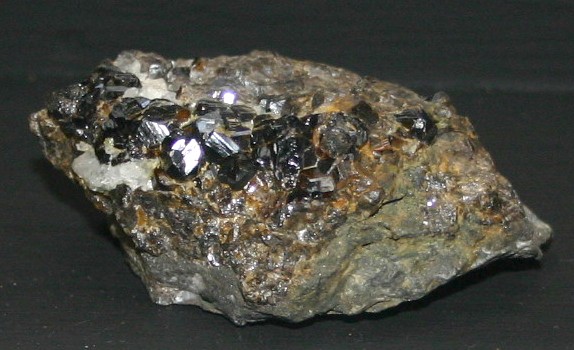
Tin ores, chiefly cassiterite (tin oxide), have been mined for thousands of years. The metal is famous for its role in bronze—an alloy of copper and tin—that defined the Bronze Age. The name stannum and many historical uses reflect tin’s long association with tools, containers and decorative objects. Today tin is obtained commercially by smelting its oxide ores and is widely recycled because of its economic and functional value.
Uses and importance
Tin’s principal applications arise from its alloying and coating properties. Important uses include:
- Alloys: bronze (copper+tin), pewter, and various bearing alloys.
- Solder: traditional solders contained tin and lead; modern electronics increasingly use lead-free tin-based solders.
- Tinplate: thin tin coatings on steel protect against corrosion and are used for food cans.
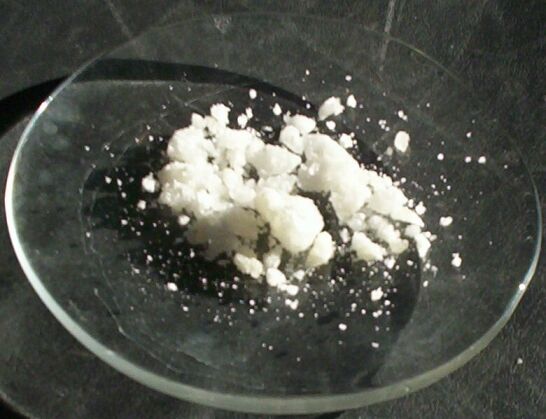
- Chemical uses: tin compounds serve in glassmaking, catalysts and specialised organic chemistry (noting some organotin compounds are toxic).
Notable facts and distinctions
Elemental tin is considered to have low acute toxicity compared with lead, but certain organotin compounds are industrial toxins and require careful handling. Tin’s place in Group 14 links it to carbon, silicon and lead, but its metallic character and practical uses set it apart. Ongoing developments in electronics and materials science continue to find new roles for tin and its alloys, while recycling remains a key source of supply.
Related articles
Author
AlegsaOnline.com Tin (chemical element) Leandro Alegsa
URL: https://en.alegsaonline.com/art/99996
Sources
- degruyter.com : "Atomic weights of the elements 2013 (IUPAC Technical Report)"
- doi.org : 10.1515/pac-2015-0305
- webbook.nist.gov : "HSn"
- webbook.nist.gov : "SnH3" · web.archive.org
- commons.wikimedia.org : Tin
- simple.wiktionary.org : tin
- wikidata.org : wikidata.org/wiki/Q1096
- catalogo.bne.es : XX530512
- catalogue.bnf.fr : cb11952265h
- data.bnf.fr : (data)
- d-nb.info : 4190888-0
- id.loc.gov : sh85135484