
Copper (Cu): properties, history, and common uses
Copper (Cu) is a reddish transition metal (atomic number 29) prized for conductivity, corrosion resistance and malleability. It has wide uses in wiring, plumbing, alloys, architecture and biology.
Copper is a metallic chemical element with the symbol Cu and atomic number 29. It is a member of the transition metals and sits near the middle of the periodic table; its standard atomic weight is about 63.55. The name derives from the Latin cuprum, itself linked historically to the island of Cyprus, where the metal was produced in antiquity. For a concise placement and classification see the periodic resources at the periodic table.
Image gallery
10 Images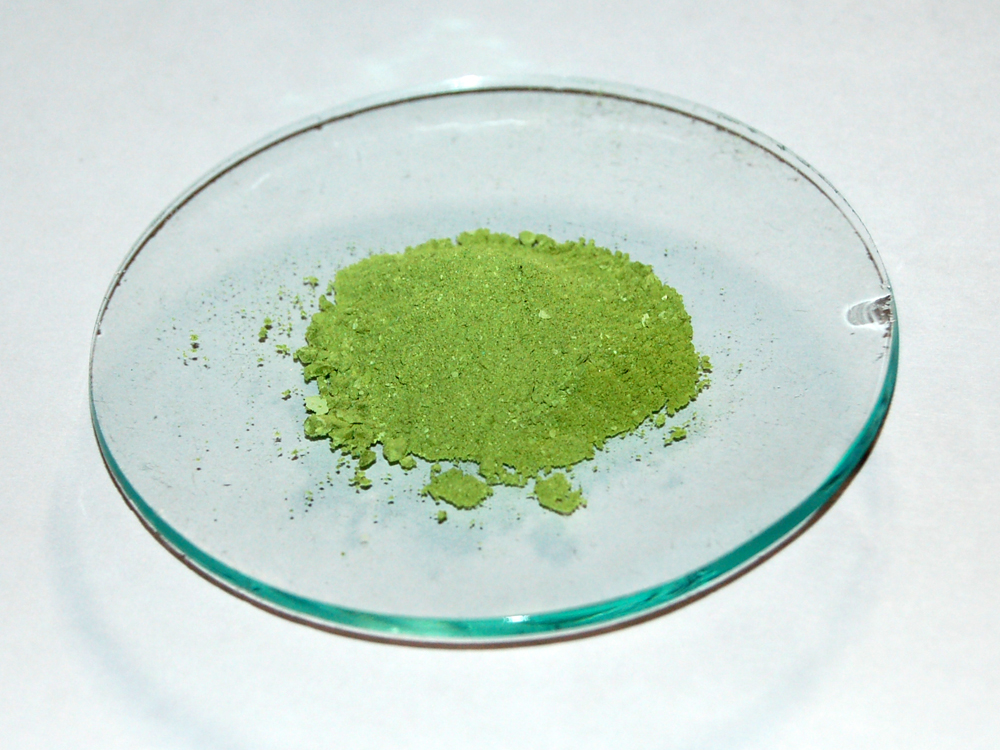
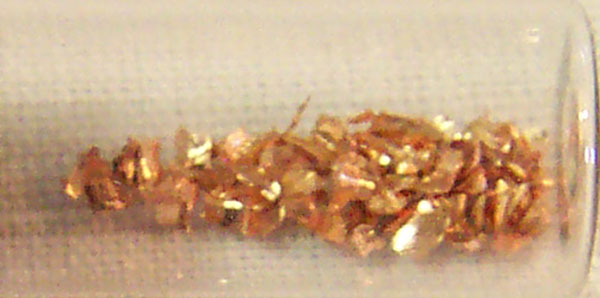


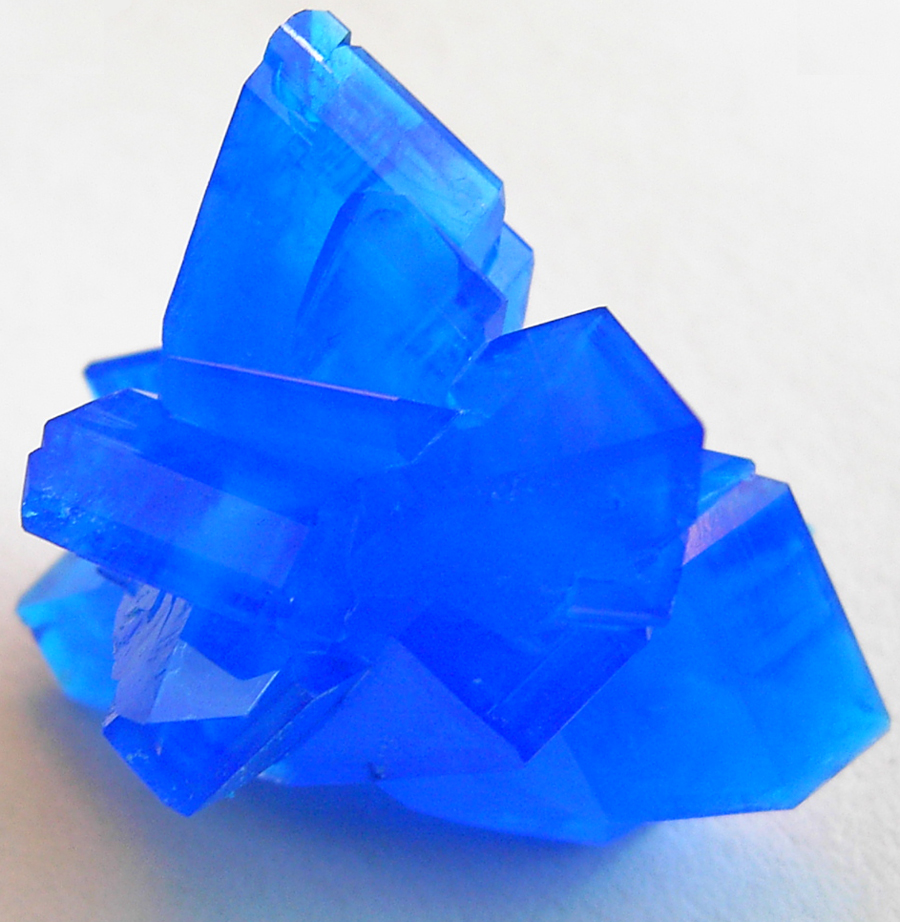
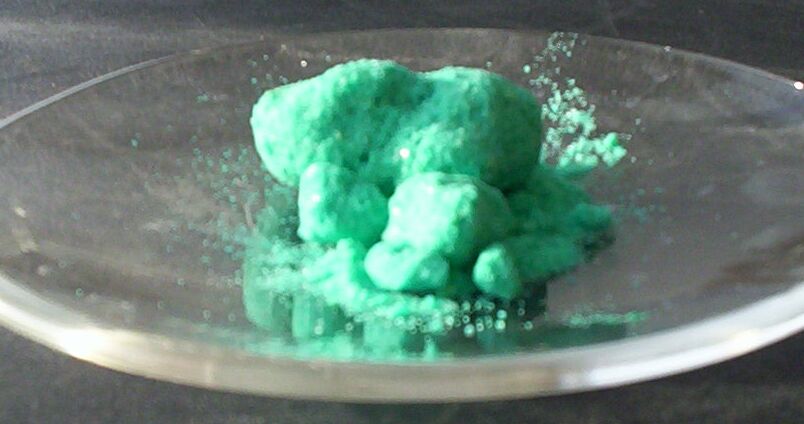


Key characteristics
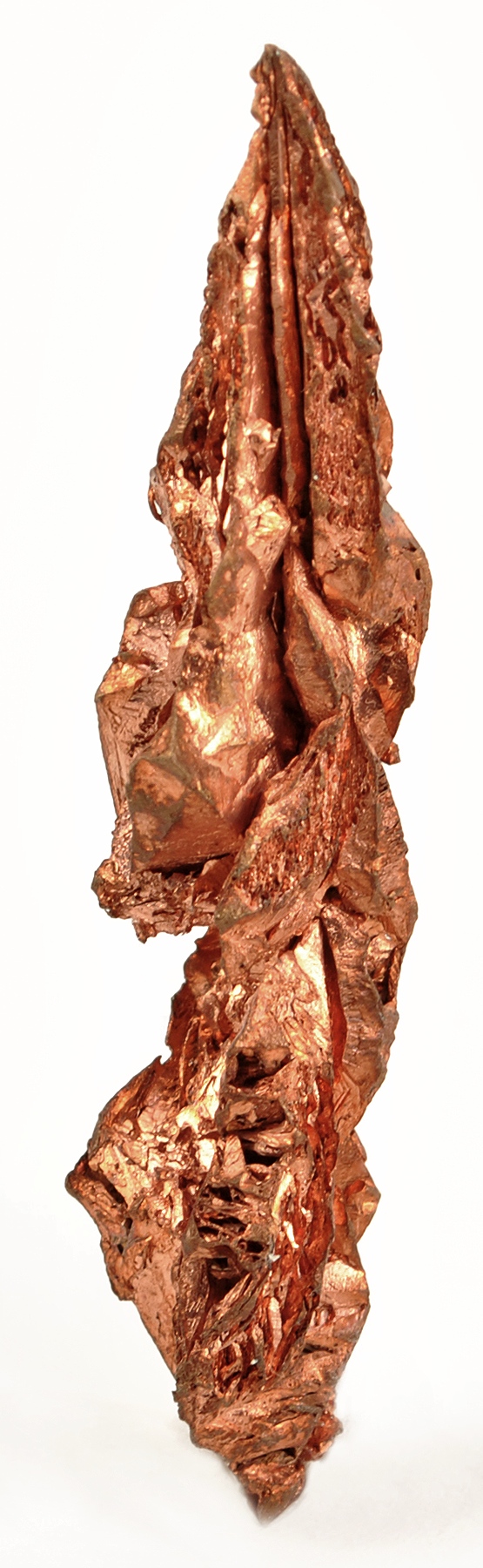
Copper is recognizable by its warm, reddish-orange color in the pure metal state. It is malleable, ductile and easily worked; these mechanical properties, together with excellent electrical and thermal conductivity, make it valuable in many industrial and domestic applications. Copper resists corrosion by forming a greenish patina (a layer of basic copper carbonate) when exposed to air and moisture over long periods.
Natural occurrence and extraction
Copper occurs in native metallic form and in a variety of minerals such as chalcopyrite, bornite, malachite and azurite. Mining, smelting and electrolytic refining are the principal steps used to produce refined copper metal and copper concentrates suitable for industrial use. Recycling is an important source of copper because the metal retains its properties through reuse.
Uses and importance
- Electrical wiring and electronics: copper is widely used because its conductivity is second only to silver among common metals.
- Plumbing and roofing: its corrosion resistance and formability make it common in pipes and architectural elements.
- Alloys: bronze (copper + tin) and brass (copper + zinc) extend its mechanical and aesthetic range.
- Industrial equipment, heat exchangers, coins and artistic works.
- Biological role: copper is an essential trace element in many organisms, involved in enzymes and oxygen transport.
History and notable facts
Copper was one of the first metals used by humans, with evidence of early smelting and metalworking dating back several millennia. Its use enabled the development of important alloys and played a central role in technological transitions such as the Bronze Age. Today, copper remains critical to modern infrastructure, renewable energy systems and electronics. Compared with silver and gold it offers a favorable balance of performance and cost; compared with aluminium it usually provides superior conductivity per cross-sectional area.
Questions and answers
Q: What is copper?
A: Copper is a chemical element.
Q: What is the atomic weight of copper?
A: The atomic weight of copper is 63.55.
Q: Where is copper located in the periodic table?
A: Copper is located in the middle of the periodic table as a transition metal.
Q: What is the symbol for copper?
A: The symbol for copper is "Cu".
Q: What is the meaning of "Cu"?
A: "Cu" comes from the Latin word cuprum, which means copper. The word cuprum came from the Latin word for the island of Cyprus, where copper was found.
Q: Which number does copper have in the periodic table?
A: Copper is the 29th element in the periodic table.
Q: What is the origin of the name copper?
A: The name copper comes from the Latin word cuprum, which means copper. The word cuprum came from the Latin word for the island of Cyprus, where copper was found.
Related articles
Author
AlegsaOnline.com Copper (Cu): properties, history, and common uses Leandro Alegsa
URL: https://en.alegsaonline.com/art/22956
Sources
- elements.vanderkrogt.net : "29. Cuprum (Copper) - Elementymology & Elements Multidict"
- wikidata.org : wikidata.org/wiki/Q753
- catalogo.bne.es : XX530125
- catalogue.bnf.fr : cb119470591
- data.bnf.fr : (data)
- d-nb.info : 4033734-0
- id.loc.gov : sh85032278
- catalog.archives.gov : 10638044
- id.ndl.go.jp : 00561504