
Fancy rat (domesticated brown rat)
A fancy rat is a domesticated brown rat kept as a companion animal. Bred for temperament and appearance, these social, intelligent rodents are kept as pets, show animals, and educational companions.
Overview
The term "fancy rat" refers to domesticated forms of the brown rat (Rattus norvegicus) bred and kept as companion animals. The word "fancy" in this context comes from the older phrase animal fancy, meaning the hobby of breeding and exhibiting animals, rather than implying elaborate appearance. Fancy rats are selectively bred to be a pet with traits desirable for life with people, most notably a calm temperament and a tolerance for handling.
Image gallery
10 Images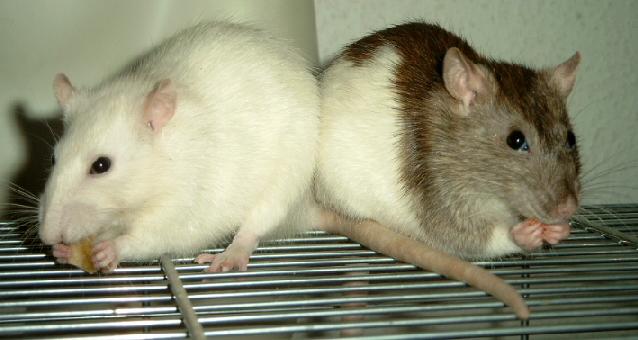

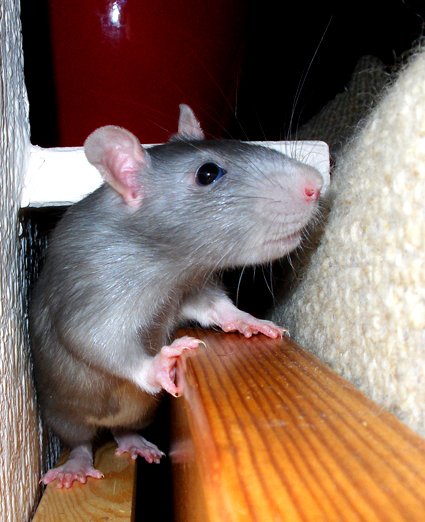
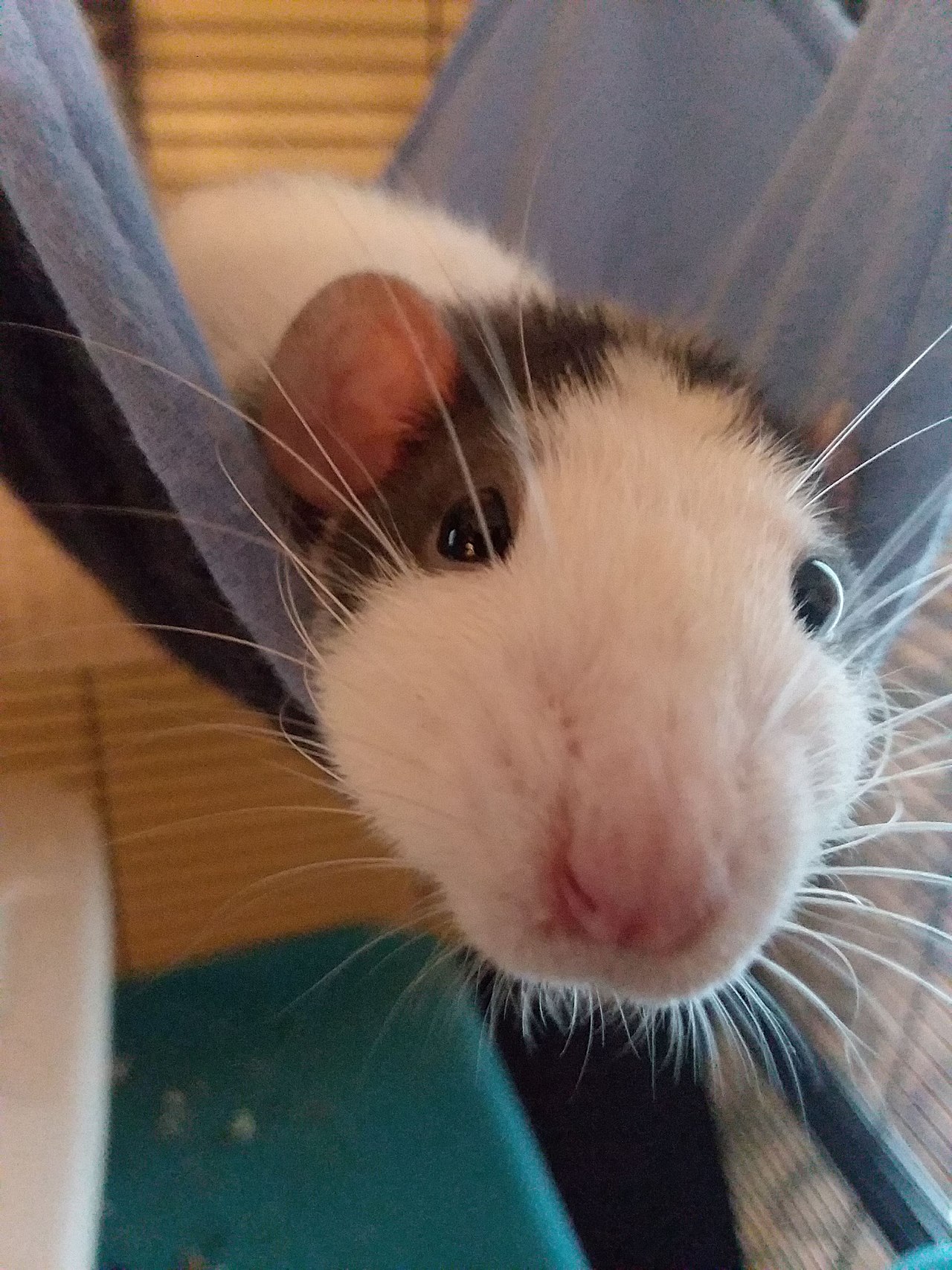




Appearance and varieties
Fancy rats display a wide range of colors, patterns and coat types, produced by selective breeding. Coat varieties include smooth standard fur, curly or "rex" coats, satin sheens and hairless types; ear position and size also vary, with the common "standard" ear and the rounded "dumbo" ear being familiar examples. Many enthusiasts distinguish varieties by terms used in the hobby and in breeding records; examples of coat and marking categories are listed below.
- Common coat and marking categories: solid, hooded, capped, Irish, variegated, and rex or curly variants (coat types).
- Ear and head types: standard ears and large, low-set "dumbo" ears are both regularly seen.
- Other species sometimes kept by hobbyists include pet black rats and larger species such as Gambian pouched rats, but these are generally treated as distinct from the typical fancy rat hobby.
Behavior and intelligence
Fancy rats are highly social and tend to form close bonds with their owners and with other rats. They are often described as curious and playful, and many learn to recognize their names, respond to calls, and perform simple tricks. Their trainability and sociability make them popular as companion animals and in demonstrations. Commonly observed behaviors include grooming, social play, and problem solving; they can also be trained to use a litter box and to take treats or run short obstacle tasks. Many owners report that pet rats show distinct personalities and remember people who treat them kindly (social, intelligent, litter box training).
History and domestication
Domesticated brown rats have been kept in captivity for well over a century; selective breeding for temperament, color and coat traits has been part of the hobby since at least the late nineteenth century. Over successive generations removed from wild populations, fancy rats have diverged in behaviour and dependency on humans compared with wild rats. The number of generations in captivity and the specific selection goals of breeders influence how different a pet rat is likely to be from its wild ancestors (history, generations, hobby).
Care, health and lifespan
Proper care for fancy rats includes a balanced diet, social companionship (they do best with other rats), adequate space, environmental enrichment and routine veterinary attention. Healthy pet rats typically live for a few years; exact lifespans vary with genetics and care. Common health concerns in older or poorly cared-for rats may include respiratory infections and tumors, conditions that a knowledgeable veterinarian can often manage or treat. In general, well-kept fancy rats are not considered to present greater everyday health risks to people than other commonly kept small pets, provided basic hygiene and sensible handling are observed.
Roles, ethics and notable facts
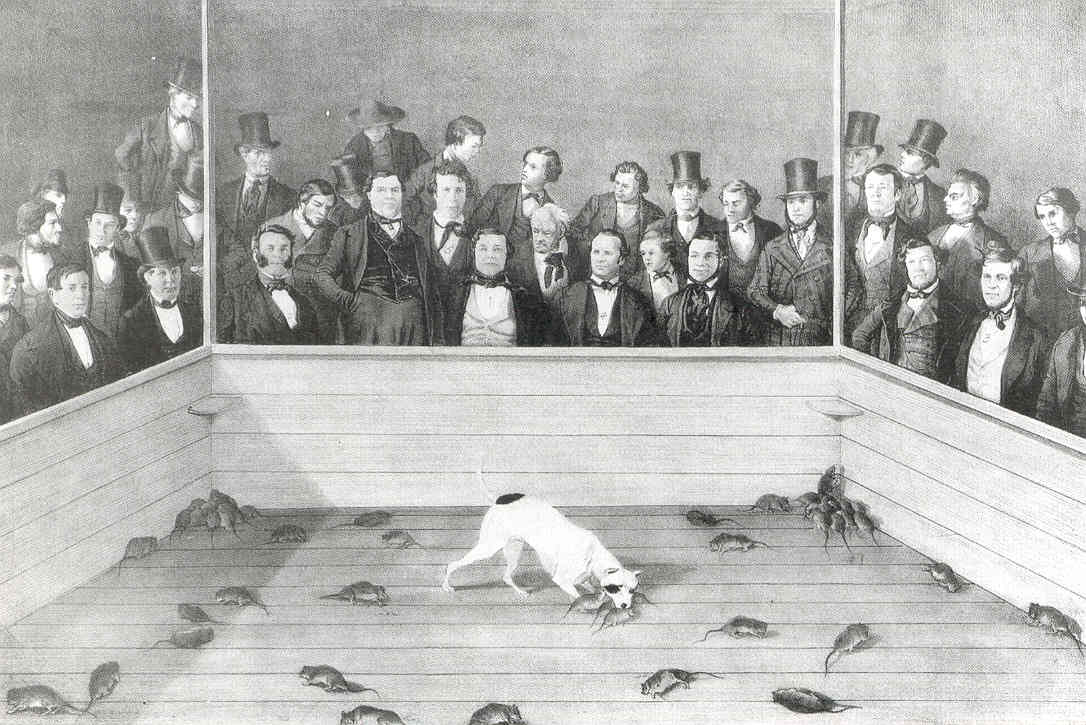
Fancy rats serve several roles: companion animals in private homes, participants in small-animal shows within the animal-fancy community, and educational animals demonstrating mammalian behavior. They have been trained historically for entertainment and tricks in public demonstrations, and remain valued for their trainability and gentle demeanor. Because they descend from a species also known as a pest in some settings, it is useful to distinguish the pet hobby from pest control: the two involve different goals, animals and management practices. Responsible ownership emphasizes humane breeding, social housing, and veterinary care to ensure healthy, well-adjusted animals for families, classrooms and shows.
For more detailed guidance on keeping and caring for fancy rats, consult experienced breeders, veterinarians who specialize in small mammals and reputable hobbyist resources: breeding basics, pet care, and community or club pages (animal fancy groups) often provide practical starting points for new owners.
Related articles
Author
AlegsaOnline.com Fancy rat (domesticated brown rat) Leandro Alegsa
URL: https://en.alegsaonline.com/art/33464