
Coat (outer garment)
A coat is an outer garment worn over the upper body for warmth, protection, or style. This article explains its features, history, common types, uses, and cultural significance.
Overview
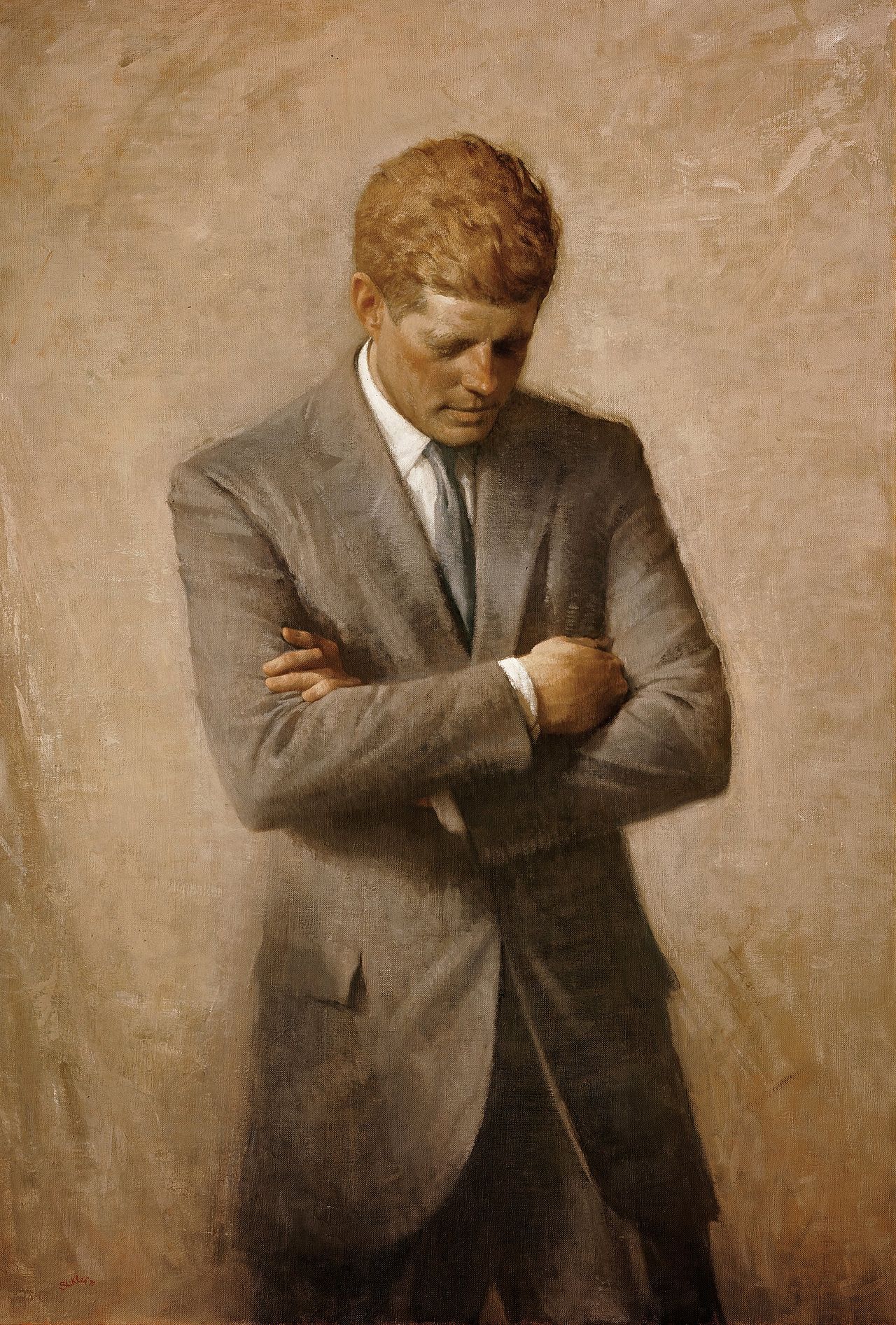
A coat is a garment worn over other clothing to cover the upper body. Coats provide insulation against cold, protection from rain or wind, and are often chosen for their appearance. In technical or catalog contexts a coat may be described as an outer garment designed to be worn over a shirt, sweater or dress. Most coats are open at the front and fastened with buttons, zippers, clasps or belts.
Image gallery
10 Images





Typical features and construction
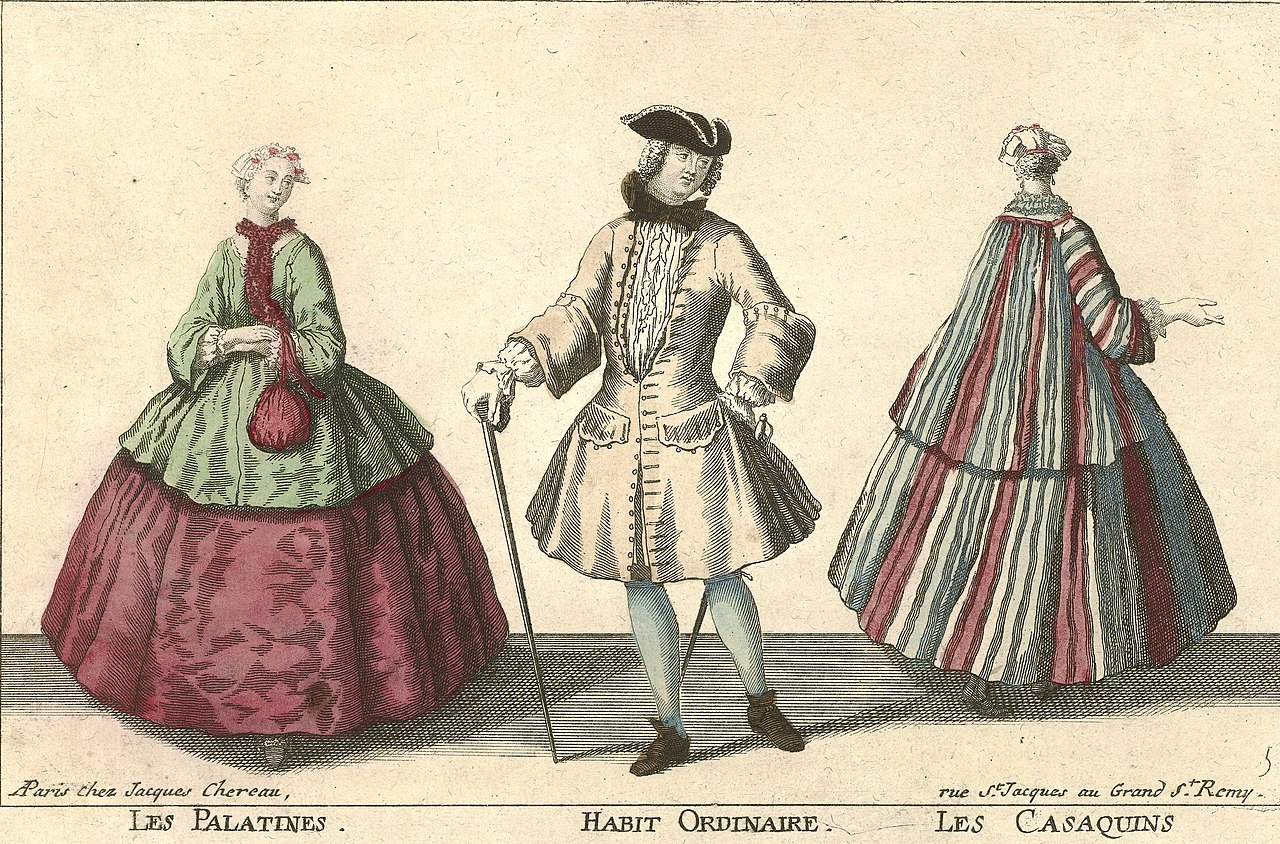
Coats commonly have long sleeves and extend to various lengths, from hip-length to ankle-length. Common components include collars, cuffs, pockets, linings and sometimes hoods. Some designs incorporate shoulder straps, epaulettes or insulating padding. Fabrics range from wool and cashmere to synthetic blends and waterproof membranes; linings may be quilted or fur-trimmed for extra warmth. Basic anatomy is often described with terms such as lapel, placket and hem.
History and development
Outer garments that protect the torso have existed in many cultures for centuries. Over time coats evolved from simple cloaks and capes into tailored garments reflecting changing technologies, climates and fashions. Industrial textile production, waterproofing techniques and modern insulation materials expanded the variety of coats available, while tailoring traditions created formal and military styles that influenced civilian fashion.
Common types and uses
- Overcoat: a long, warm coat for cold weather.
- Pea coat and trench coat: historically military styles adapted for civilian wear.
- Raincoat: made from water-resistant materials to keep wearers dry.
- Jacket: a shorter coat often used interchangeably with lighter outerwear.
Coats serve practical roles—insulation, weather protection, safety—and social roles, signaling profession, rank or fashion taste. Specialized coats exist for activities such as mountaineering, hunting or motorcycling.
Care, variations and notable facts
Care depends on material: wool coats often require dry cleaning, while many synthetic shells can be machine-washed. Styling details such as collars, hoods and shoulder elements change both function and look; for example, a hood enhances weather protection while a wide collar may be purely decorative. Additional context on garment terminology and care can be found in technical guides and fashion references: see upper-body garments, weatherproofing techniques and collar and shoulder details.
Related articles
Author
AlegsaOnline.com Coat (outer garment) Leandro Alegsa
URL: https://en.alegsaonline.com/art/21275
Sources
- macmillandictionary.com : macmillandictionary.com