
19th century: Industrialization, empire and cultural change
Overview of the 19th century (1801–1900): industrialization, political reform, imperial expansion, scientific and cultural developments that shaped the modern world.
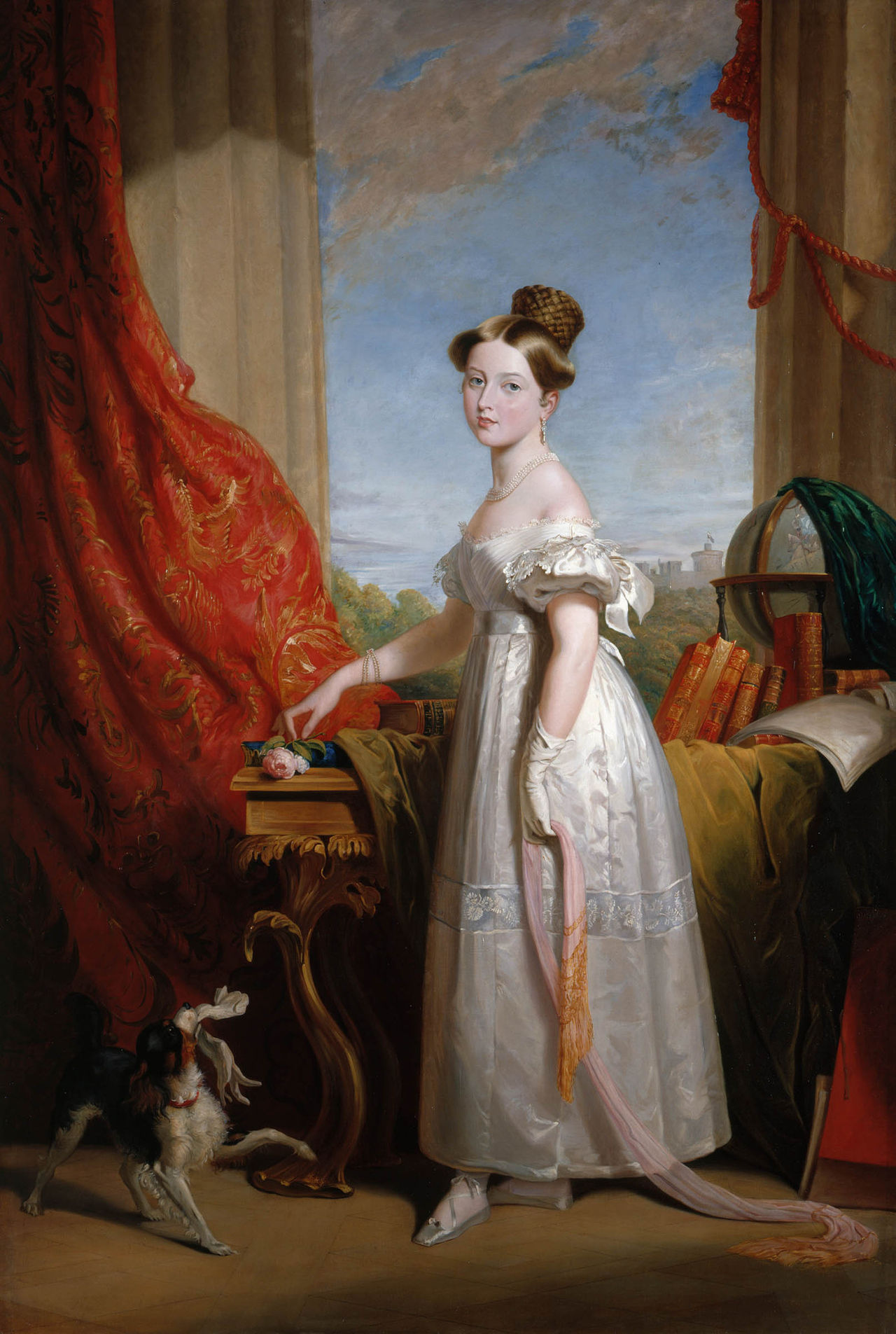
The 19th century is conventionally dated from 1801 to 1900. It was a period of rapid and wide-ranging change: industrialization and new technologies transformed production and transport; political movements and reform reshaped states and societies; and expanding overseas empires connected distant regions in new ways. In Britain the era largely overlaps with the Victorian period, during which Queen Victoria became a prominent symbol of national identity and social norms.
Image gallery
10 Images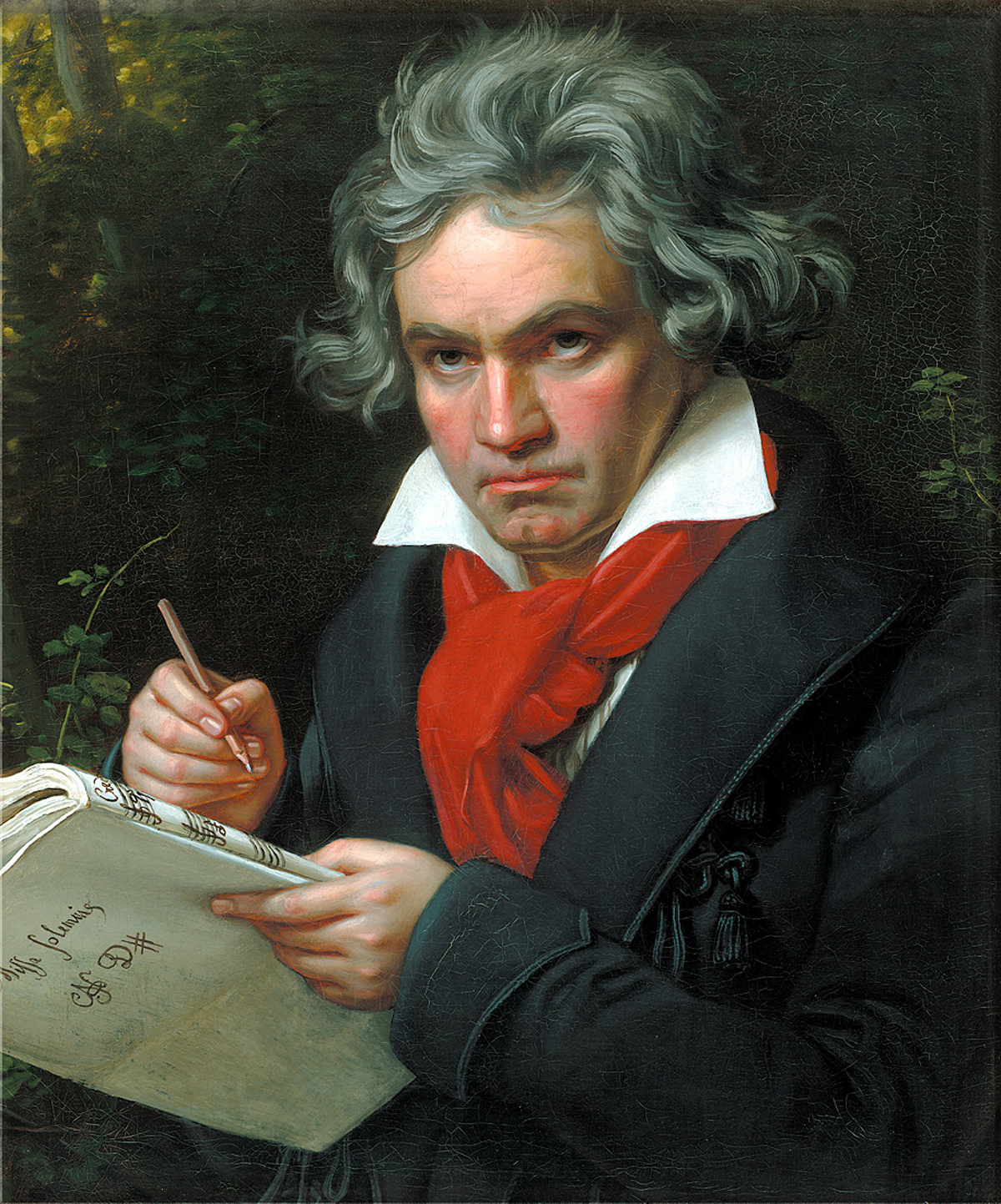




Economic and technological change
The century saw the spread and intensification of the Industrial Revolution. Steam power, mechanized textile production, railways, improved iron and steelmaking, and the telegraph reorganized how goods and information moved. These innovations fostered urban growth, factory labor, and new industrial capital, particularly across Western Europe and North America, while other regions experienced varying patterns of industrial development (comparative industrialization).
Politics, society and empire
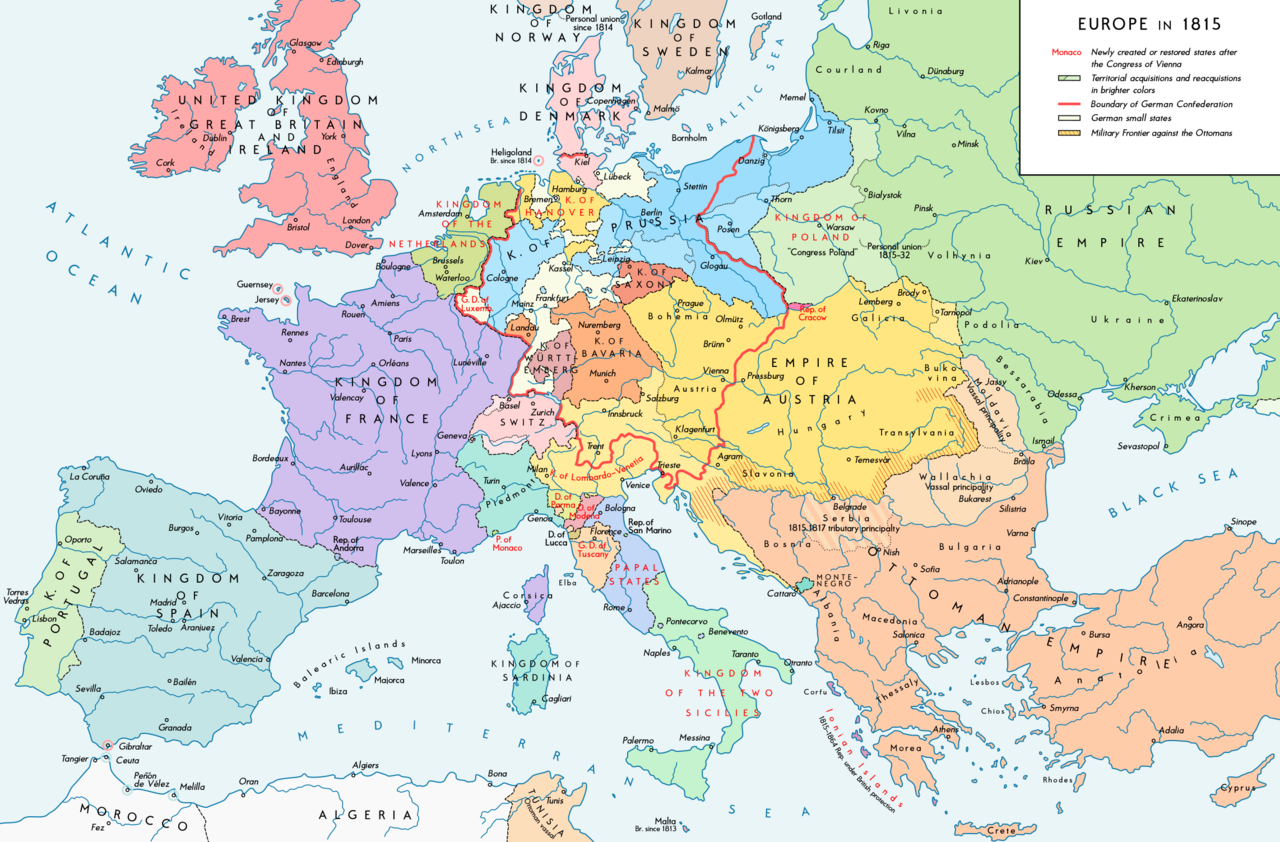
The era featured the rise of nationalism, movements for liberal reform, and the extension of electoral politics in some countries. At the same time European powers extended colonial rule across much of Africa, Asia and the Pacific, shaping global trade and diplomacy. Rapid urbanization and industrial working conditions prompted public-health reforms, the growth of schooling, and the formation of labor organizations as citizens sought new protections and rights.
Science, thought and culture
Scientific advances altered understandings of the natural world and medicine, while intellectual debates about economics, society and governance became more prominent. Literary and artistic movements moved from Romanticism toward Realism and newer styles; mass-circulation newspapers, periodicals and museums widened access to information and culture. Technological change also affected daily life: cheaper printed goods, improved transport and new communications linked local experience to national and international currents.
Demography, migration and everyday life
World population grew substantially during the century and migration—both internal from countryside to city and international across oceans—reshaped societies. New social institutions, public services and consumer markets emerged, changing work, family life and leisure. Some individuals born late in the century lived well into the modern era, illustrating the bridge from the 1800s to later decades.
Legacy and study
The 19th century left deep institutional, technological and cultural legacies that influenced the 20th century: industrial economies, modern state bureaucracies, and global imperial networks. Historians study this period through political, social, economic and cultural lenses to understand how modernity took shape and why its consequences continue to matter.
Further reading and resources
- Overview timeline of the 19th century
- Political history and national movements
- Social history and urbanization
- The Victorian era in Britain
- Biographies and major figures
- Imperial and global relations
- Industrial Revolution and technology
- Western industrialization patterns
- Comparative industrial development
- Cultural and entertainment history
Questions and answers
Q: What century is the 19th century?
A: The 19th century is from 1801 to 1900.
Q: What period is most of the 19th century known as?
A: Most of the 19th century is known as the Victorian period because Queen Victoria ruled the United Kingdom during this time.
Q: When did the Industrial Revolution start in western countries?
A: The Industrial Revolution started in most western countries during the 19th century.
Q: Who was born in the 19th century and lived until 1996?
A: George Burns was born in the 19th century and he lived until he died at age 100 in 1996.
Q: How long did Queen Victoria rule for?
A: Queen Victoria ruled for 63 years, from 1837 to 1901.
Q: What inventions were created during this period? A: During this period, many inventions were created such as steam engines, telegraphs, telephones, lightbulbs, typewriters, cars and airplanes.
Related articles
Author
AlegsaOnline.com 19th century: Industrialization, empire and cultural change Leandro Alegsa
URL: https://en.alegsaonline.com/art/112289