
Fat-tailed gerbil (Pachyuromys duprasi)
A small North African desert rodent with a distinctive fat tail used to store fat. Nocturnal and burrowing, well adapted to arid climates and commonly kept as a pet; lives about 5–7 years in captivity.
The fat-tailed gerbil (Pachyuromys duprasi) is a compact desert rodent native to the arid regions of North Africa. It is the sole species in the genus Pachyuromys and is distinguished by a short, thick tail that stores energy reserves. Like many desert-adapted mammals, this species can subsist for long periods without free water, obtaining moisture from food and conserving fluids through efficient physiology.
Image gallery
10 Images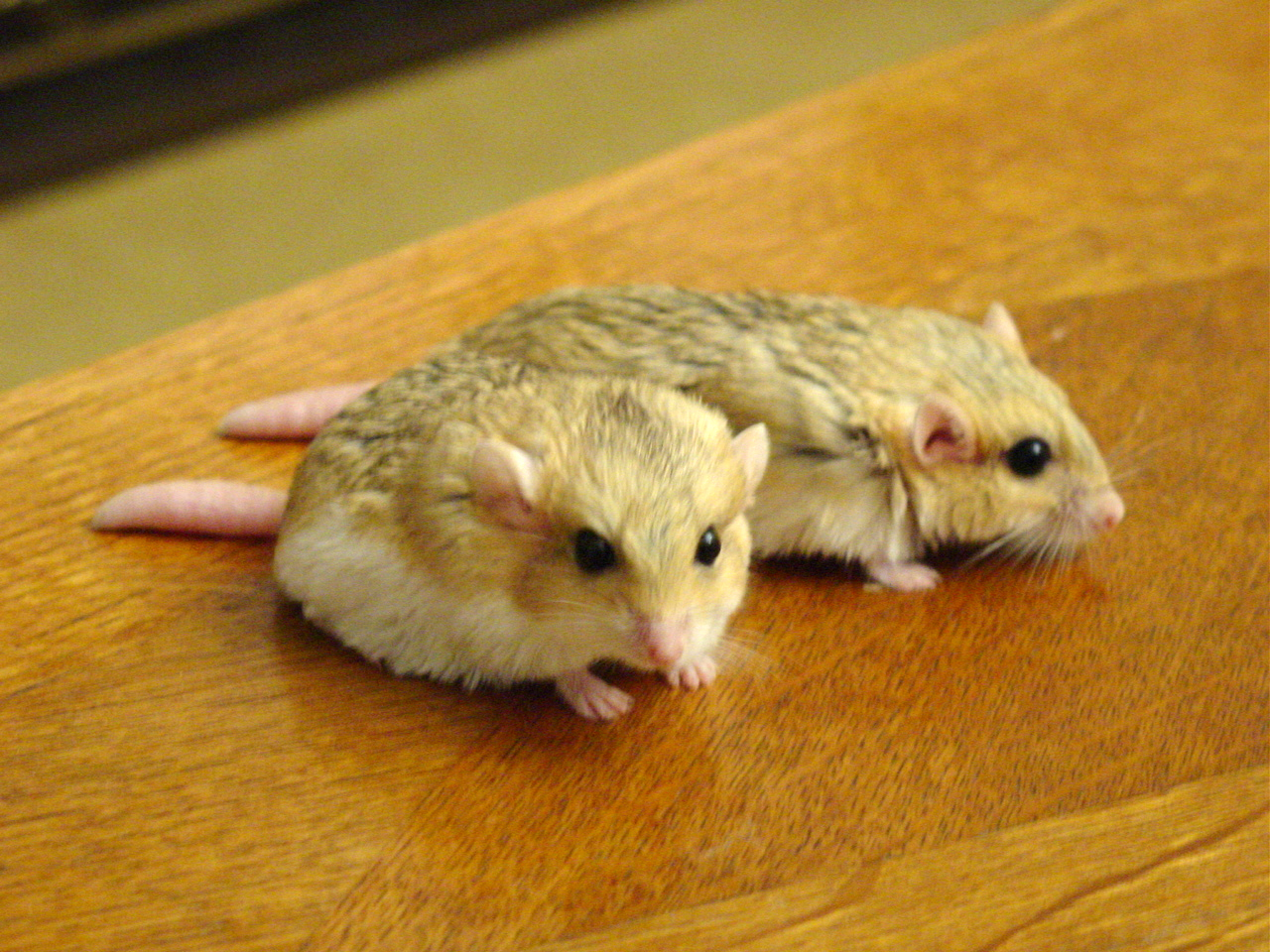


Appearance and adaptations
These gerbils are small but robust, with dense fur ranging from pale gray to sandy tones that provide camouflage on sandy ground. The hallmark feature is the fattened tail, which swells as the animal builds fat reserves and becomes leaner when reserves are used. Other adaptations include nocturnal habits, burrowing behavior, and metabolic and renal adjustments that reduce water loss.
Behavior and habitat
Fat-tailed gerbils inhabit sandy and rocky habitats at the margins of the Sahara and other dry landscapes. They are primarily nocturnal and spend daylight hours in burrows or shallow sand nests to avoid heat and many predators. Nighttime activity reduces exposure to daytime temperatures and allows them to forage for seeds, plant material, and invertebrates.
Diet, reproduction and lifespan
- Diet: omnivorous, typically consuming seeds, vegetation and occasional insects, with water intake largely from food.
- Reproduction: breeds opportunistically when conditions permit; young are raised in burrows where they are protected from extremes.
- Lifespan: in captivity many individuals live around 5 to 7 years when provided suitable care.
Human interactions and notable facts
Fat-tailed gerbils are popular in the pet trade because of their distinctive appearance and relatively calm temperament under proper care. In the wild they play ecological roles as seed dispersers and as prey for larger predators. Their unique physiology and fat-storing tail make them a subject of interest for studies of desert adaptation and energy management in small mammals. For additional species information, see a general gerbil overview here and a regional summary of North African habitats here.
Keeping these animals in captivity requires understanding their nocturnal cycle, providing deep, sandy substrate for burrowing, and offering a diet that mimics natural food items while avoiding overfeeding to prevent excessive fat deposition. Observing their tail as a health indicator—plump when well-nourished, thinner after use of reserves—can help caretakers monitor condition without invasive measures.
Related articles
Author
AlegsaOnline.com Fat-tailed gerbil (Pachyuromys duprasi) Leandro Alegsa
URL: https://en.alegsaonline.com/art/33618